

Pittsburgh Legacy
Preserving the Past. Inspiring the Future.
Explore the people, places, institutions, neighborhoods, and moments that shaped Black Pittsburgh and continue to influence our region today. From historic theaters and cultural landmarks to neighborhood revitalization, Pittsburgh Legacy documents the stories that deserve to be remembered — and the progress that deserves to be celebrated.
One Cathedral. Two Black Pittsburgh Stories.
As Pitt celebrates 100 years of the Cathedral of Learning, PUM examines what happened inside its walls that changed the experience of Black Pittsburgh.
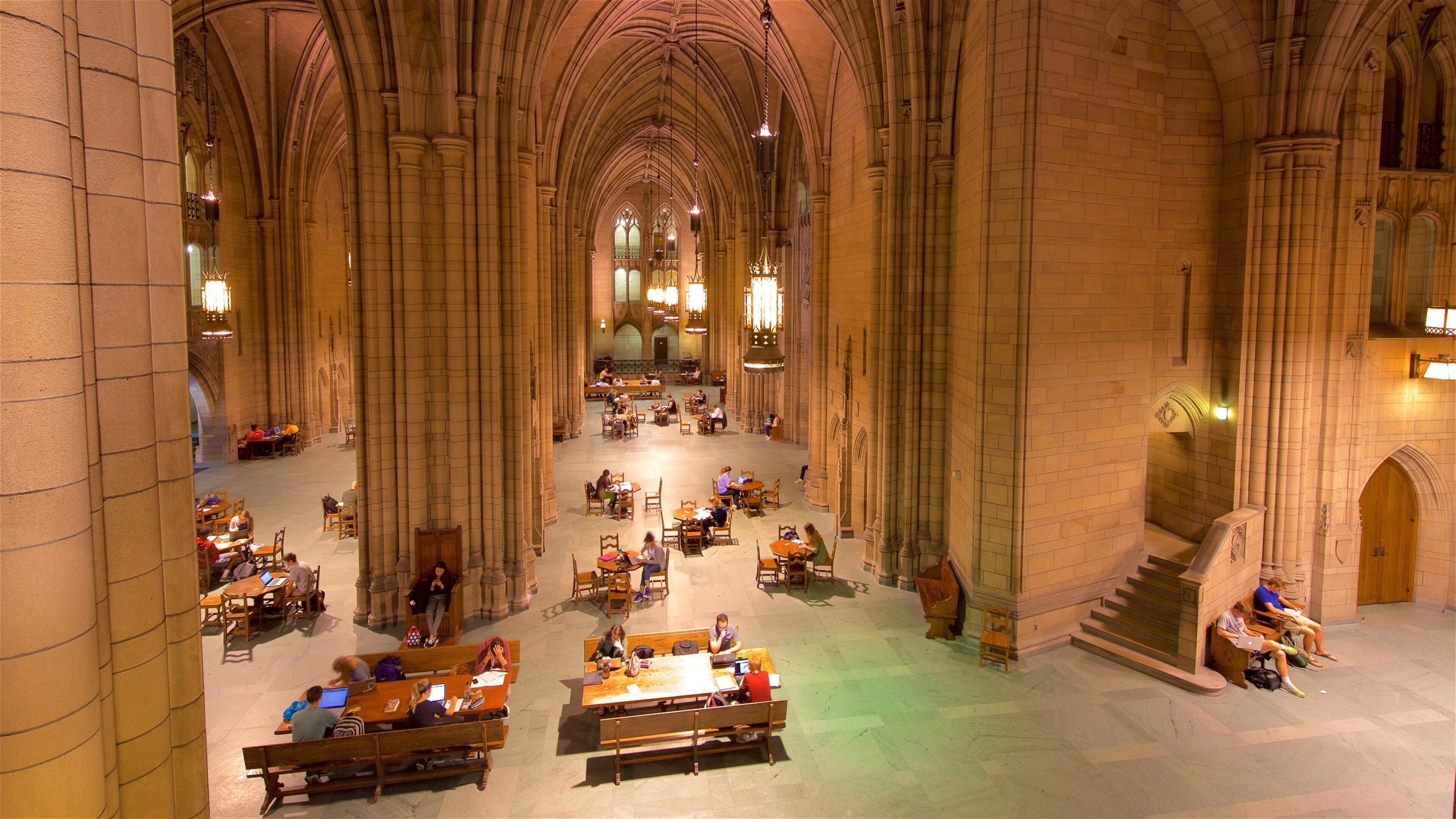
100 Years of Pitt’s Cathedral of Learning: The Black Pittsburgh History Inside the Landmark
As Pitt celebrates the Cathedral’s centennial, PUM looks at the Black Pittsburgh history inside the landmark—from the 1969 Black Action Society takeover to the African Heritage Classroom—and the community leaders, students and organizers who shaped it.
Read the Full Story →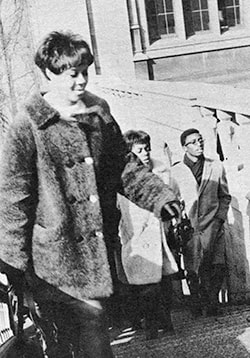
When Black Students Took Over the Cathedral: The 1969 Action That Changed Pitt
On January 15, 1969, nearly 50 students from Pitt’s Black Action Society entered the Cathedral’s eighth-floor Computer Center and staged a nonviolent takeover—demanding a Black Studies department, more Black faculty, and recognition of Black history at the university.
Read the Full Story →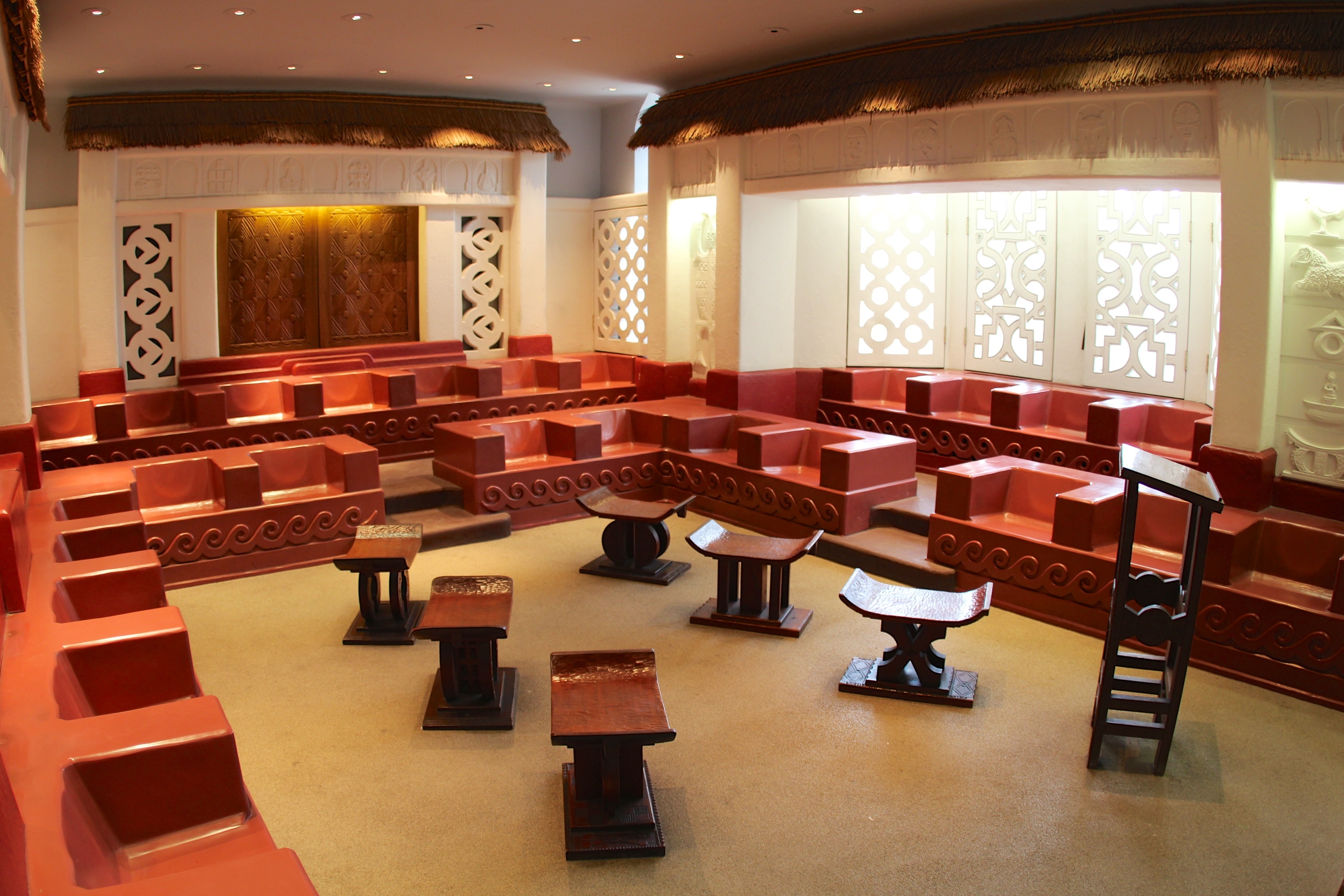
The African Heritage Classroom: The Black Pittsburgh Story Inside Pitt’s Cathedral of Learning
After nearly two decades of organizing, fundraising and design by Pittsburgh’s Black community, Room 330 was dedicated in 1989—a Pan-African space inside one of the city’s most iconic landmarks, built by the community, for the community.
Read the Full Story →More From Pittsburgh’s Legacy
Explore the people, places, and moments that define Black Pittsburgh.
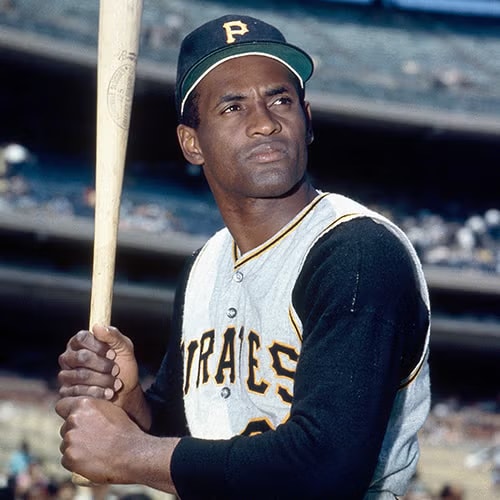
Roberto Clemente: The Man Pittsburgh Claimed as Its Own
Hall of Famer. Humanitarian. The Great One. How Roberto Clemente became one of Pittsburgh’s most beloved figures — and why his legacy endures.
Read Story →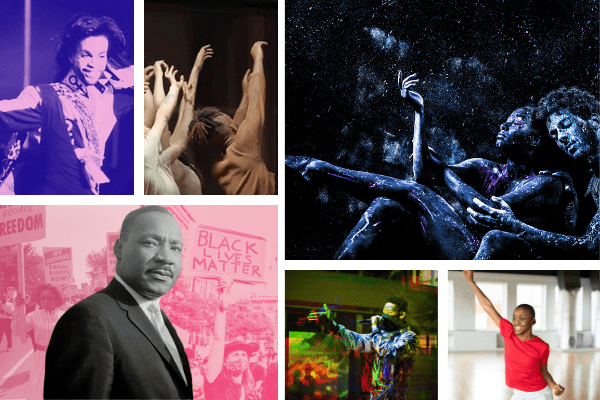
Kelly Strayhorn Theater: Where Pittsburgh’s Creative Soul Lives
Named for two Pittsburgh legends — Gene Kelly and Billy Strayhorn — this East Liberty theater has been a home for bold, boundary-pushing performance for decades.
Read Story →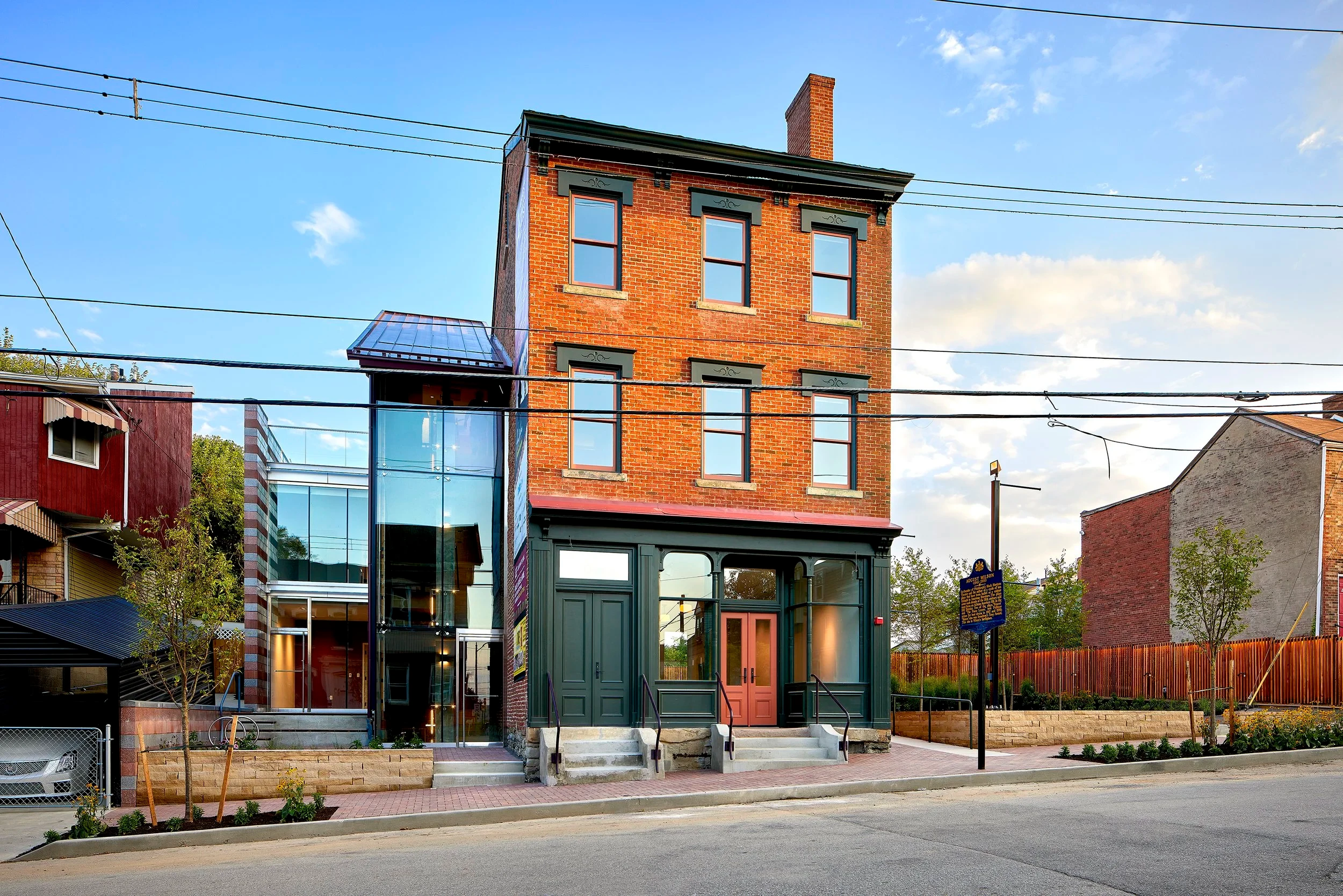
August Wilson House: Preserving the Birthplace of a Literary Giant
The Hill District rowhouse where August Wilson grew up is now a landmark — a living tribute to the playwright whose ten-play Pittsburgh Cycle changed American theater forever.
Read Story →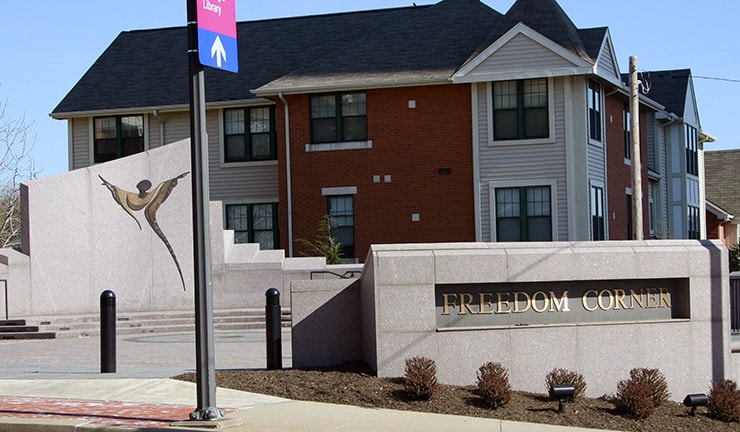
Freedom Corner: The Hill District’s Sacred Ground of Resistance
At the corner of Crawford and Wylie, Pittsburgh’s civil rights movement found its voice. Freedom Corner remains a gathering place, a memorial, and a symbol of the Hill District’s enduring spirit.
Read Story →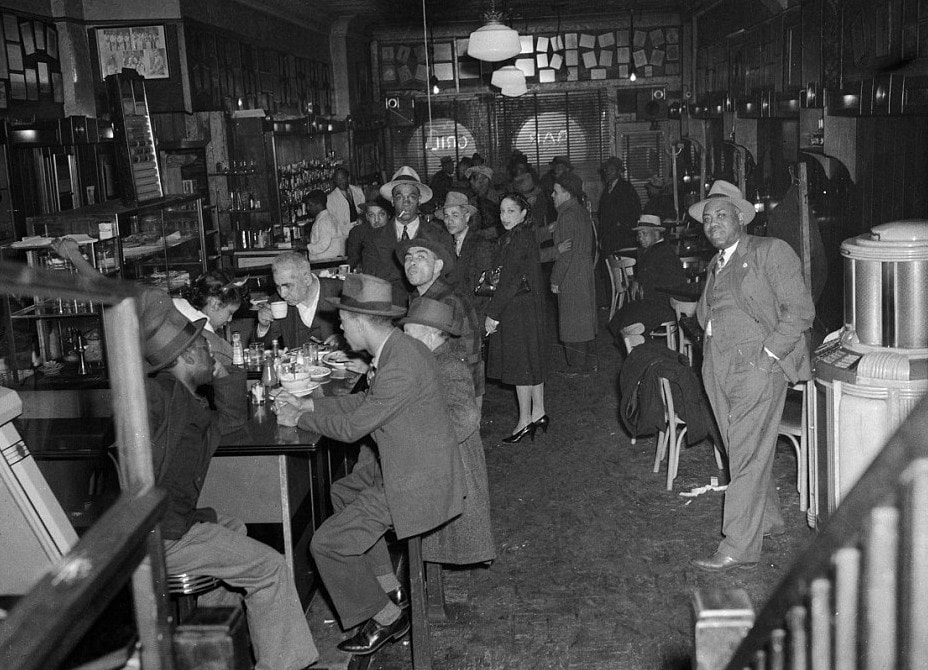
The Crawford Grill: Where Jazz Royalty Called Pittsburgh Home
Ella Fitzgerald, Duke Ellington, Count Basie — they all played the Crawford Grill. The Hill District’s legendary jazz club was the heartbeat of Black Pittsburgh’s golden era.
Read Story →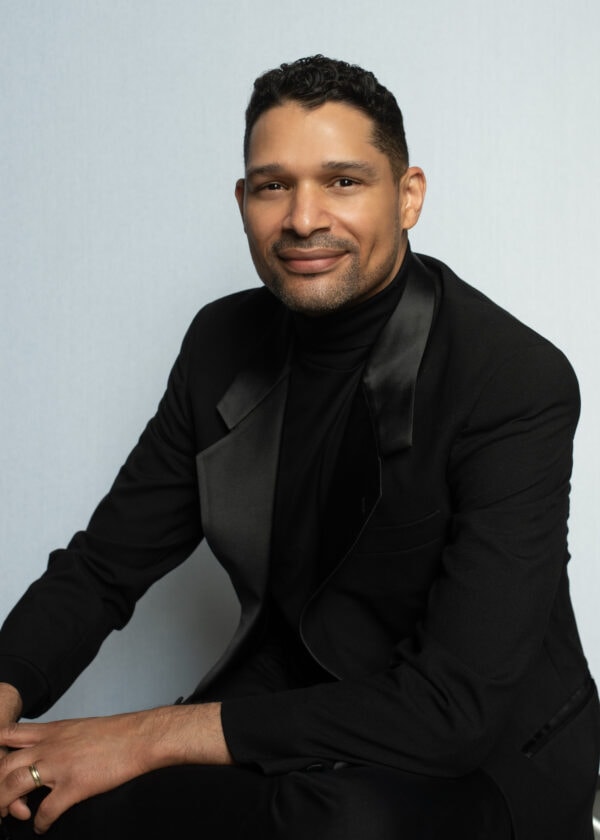
Pittsburgh Ballet Theatre: Adam McKinney and the New Face of Classical Dance
Principal dancer Adam McKinney is redefining what Pittsburgh Ballet looks like — bringing power, precision, and a new generation of Black excellence to the stage.
Read Story →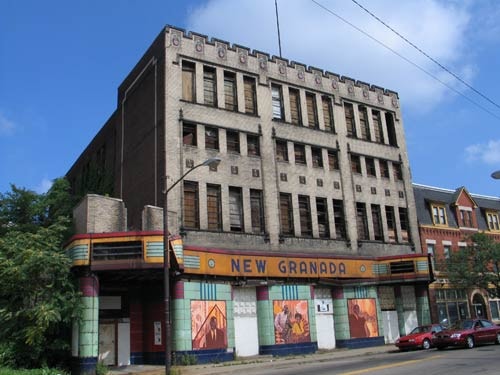
The New Granada Is Back: Historic Hill District Landmark Enters Its Next Chapter
After years of restoration work, the New Granada Theater’s iconic Art Deco marquee is lit again on Centre Avenue. Phase I of the revitalization is complete — and the Hill District is celebrating a landmark that has anchored Black Pittsburgh for nearly a century.
Read Full Story →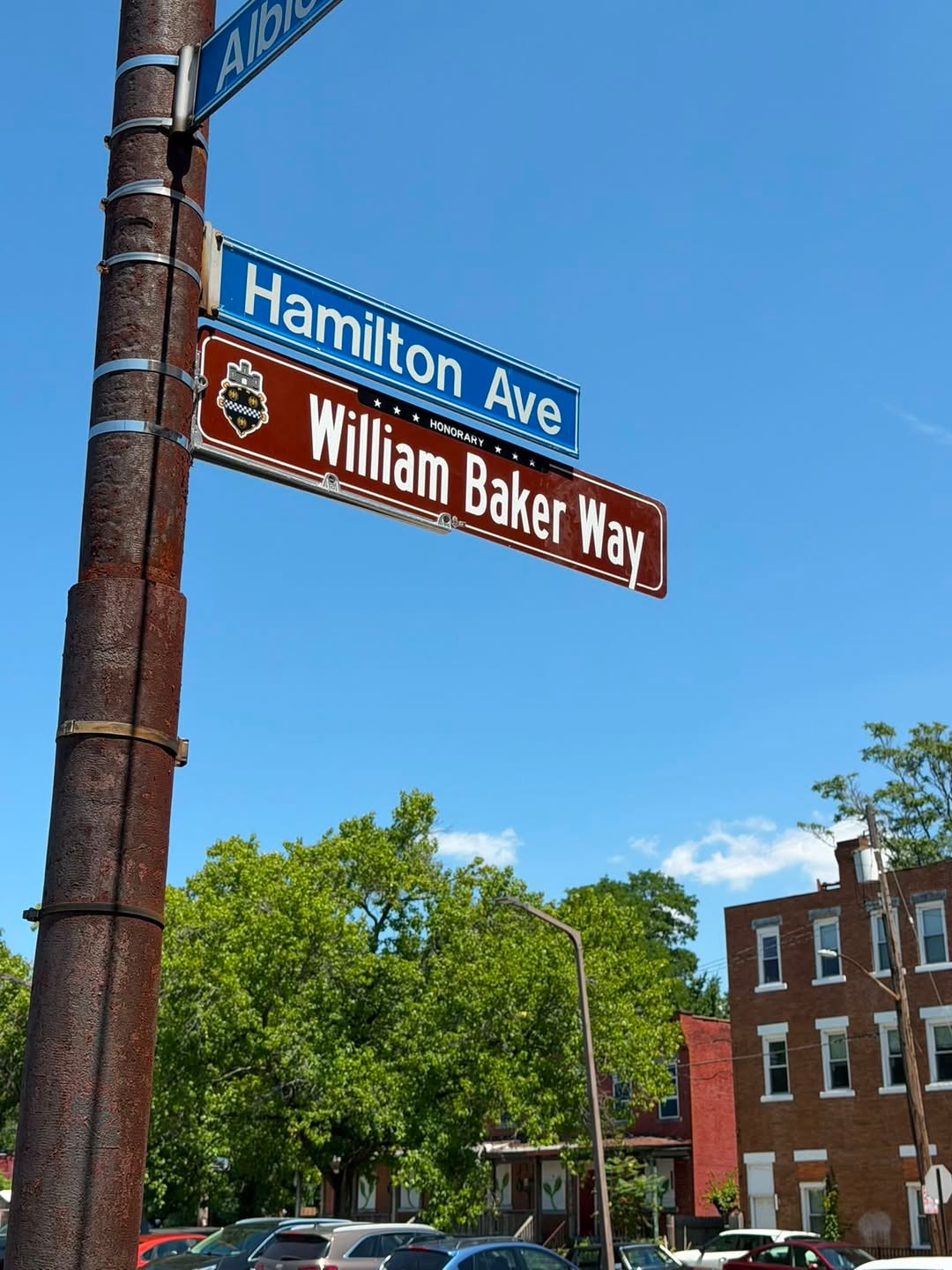
A Street Bears His Name: Pittsburgh Honors William Baker, Homewood’s Beloved Business Legend
For more than 52 years, William Baker ran Baker’s Dairy on Hamilton Avenue — feeding kids, fixing bikes, and never leaving Homewood. In July 2026, the City of Pittsburgh made it official: the corner of Hamilton and Albion is now William Baker Way.
Read Full Story →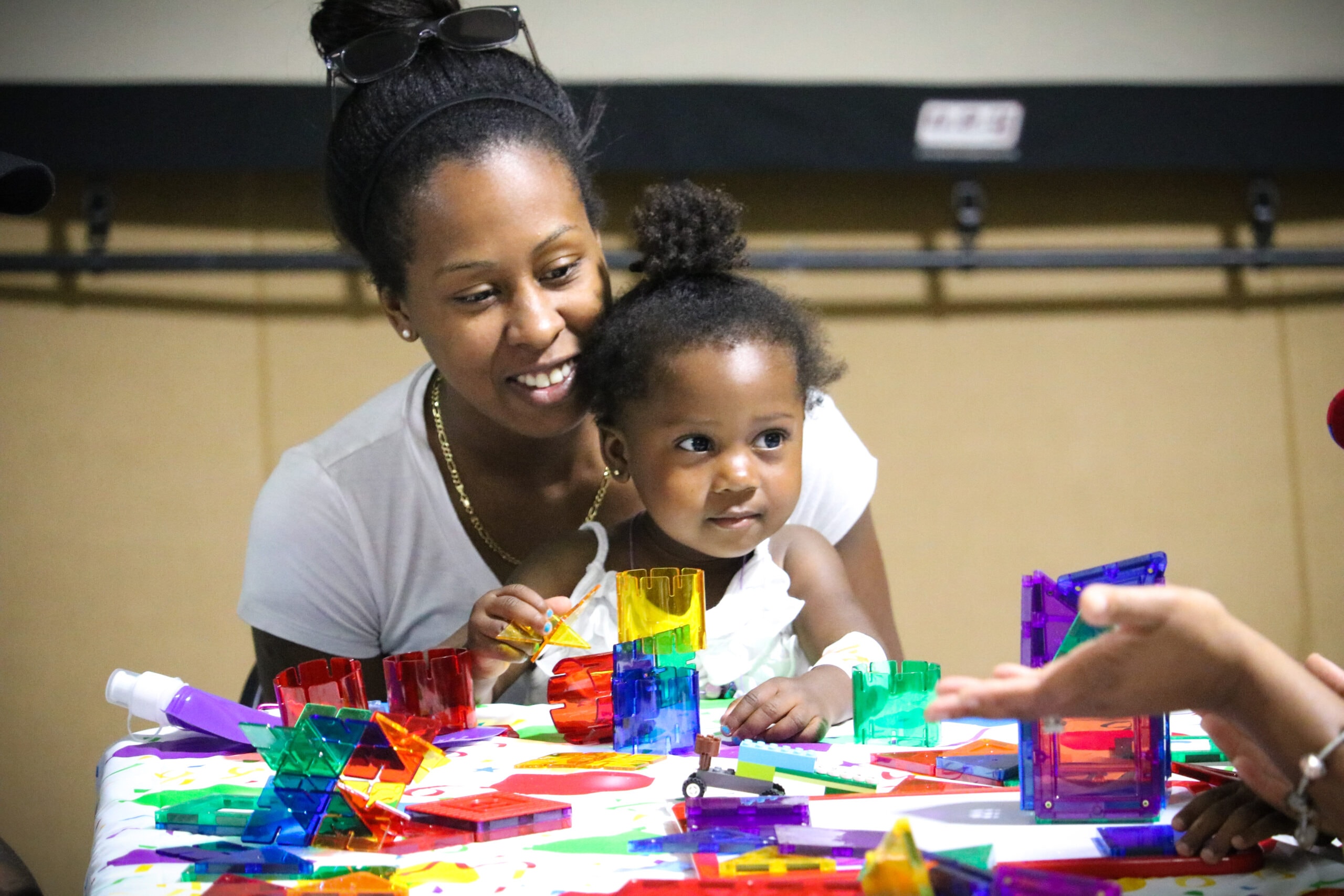
It Takes a Village: Homewood Children’s Village Celebrates 15 Years of Transforming Lives
From supporting more than 1,600 youth and adults each year to helping students achieve a 92% graduation rate, Homewood Children’s Village marks a milestone built on community, collaboration, and opportunity.
Read Full Story →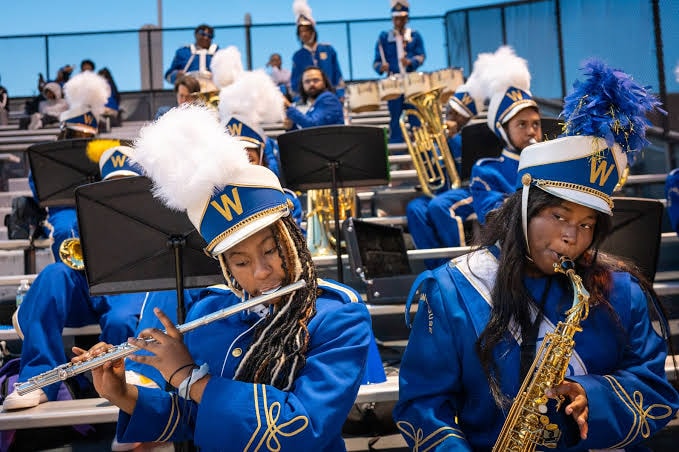
Inside The House: The Enduring Legacy of Westinghouse High School
Billy Strayhorn. Chuck Cooper. Ahmad Jamal. For more than 100 years, Pittsburgh’s Westinghouse High School has produced jazz legends, barrier-breaking athletes, and generations of community leaders. A PUM signature feature.
Read the Full Story →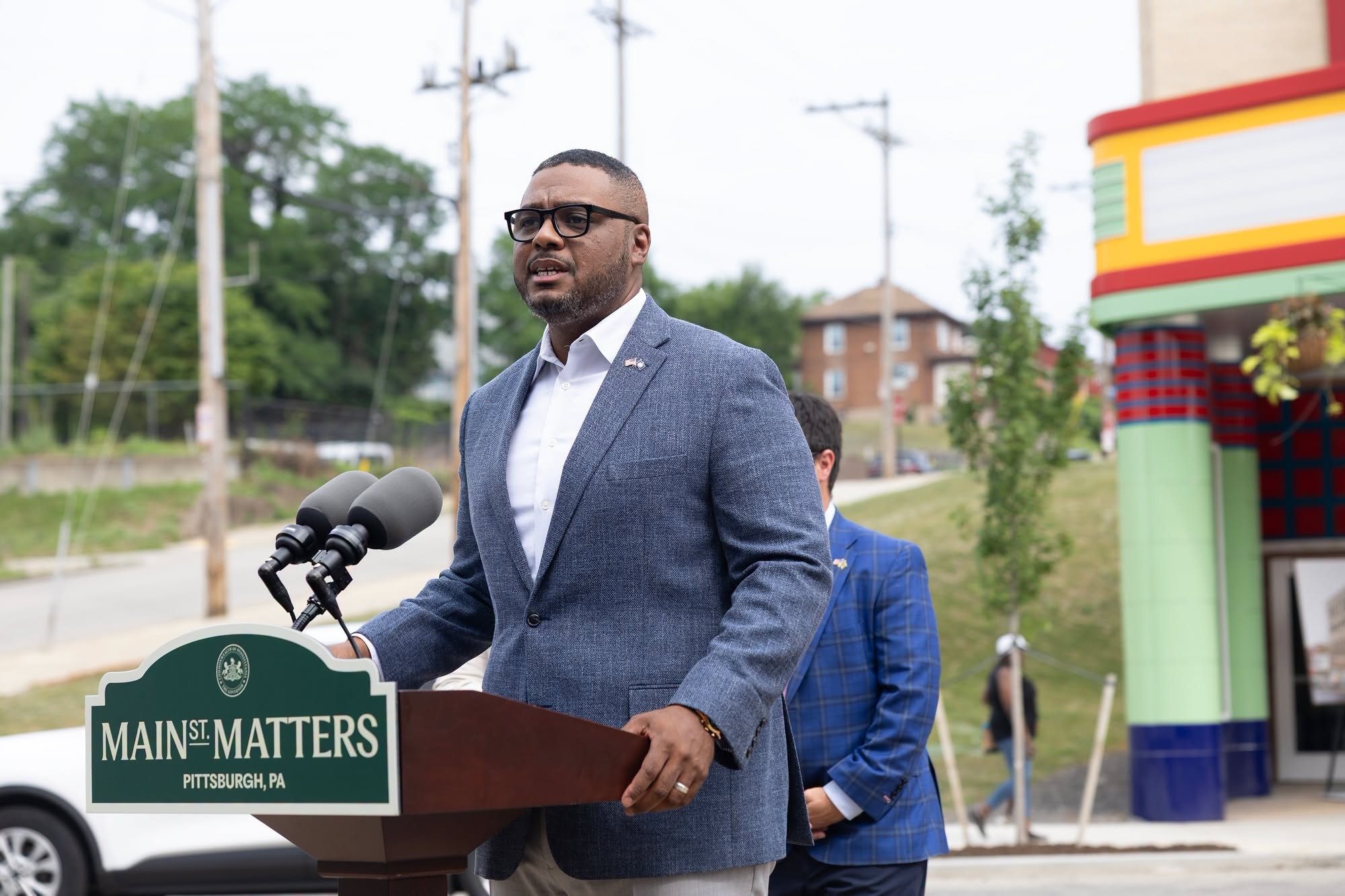
Historic New Granada Theater Moves Into Next Phase of Revitalization
With $1 million in new state investment secured, Pittsburgh's legendary New Granada Theater — once the crown jewel of the Hill District's cultural scene — is entering a transformative new chapter of restoration and community renewal.
Read Full Story →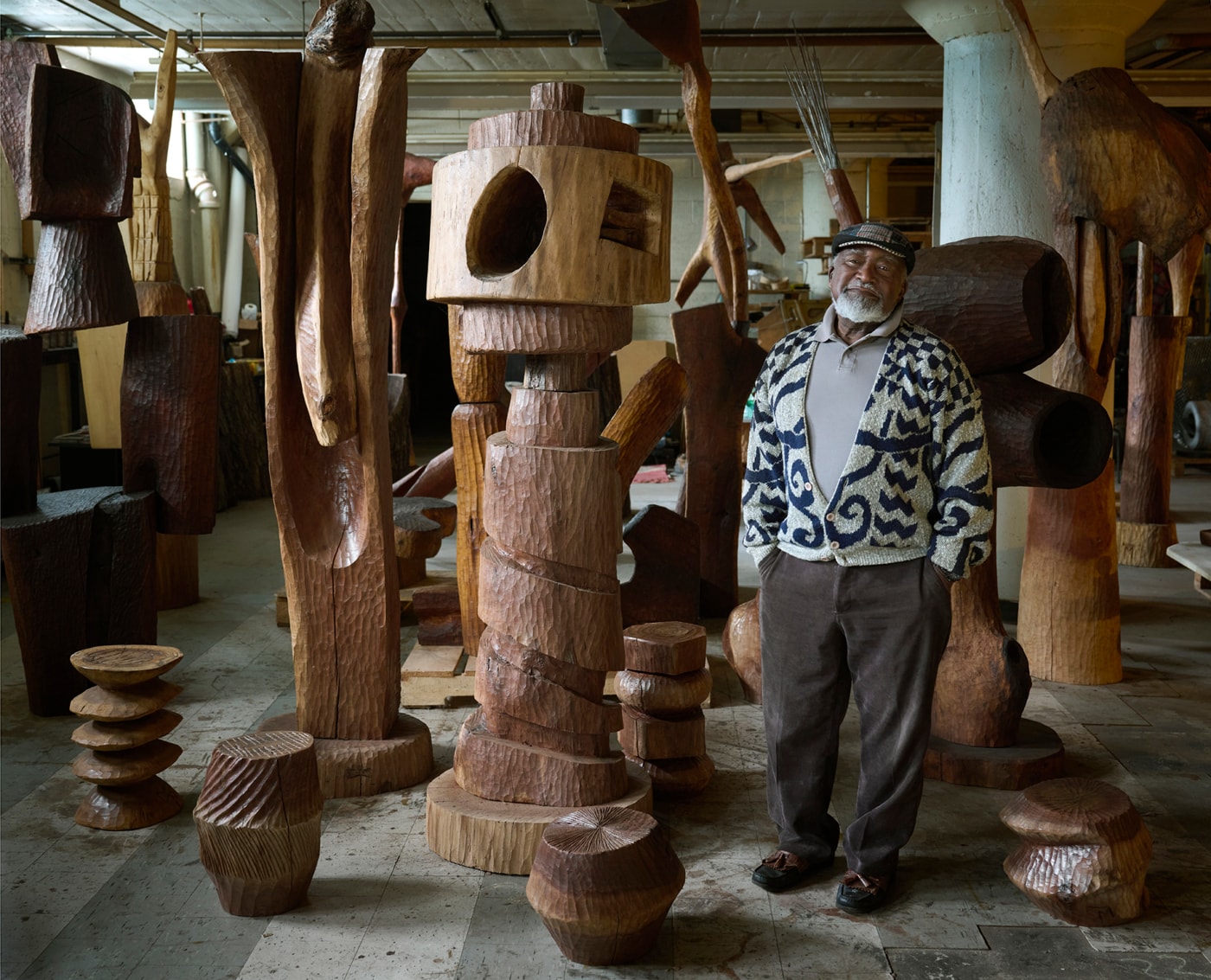
Thad Mosley: Pittsburgh’s Master Sculptor and Living Legend
For more than seven decades, Thaddeus Mosley has transformed raw wood into towering works of art that speak to the African American experience. Now in his 90s, the Pittsburgh sculptor remains one of the most important artists in the country — and one of the least known outside the city he calls home.
Read the Full Story →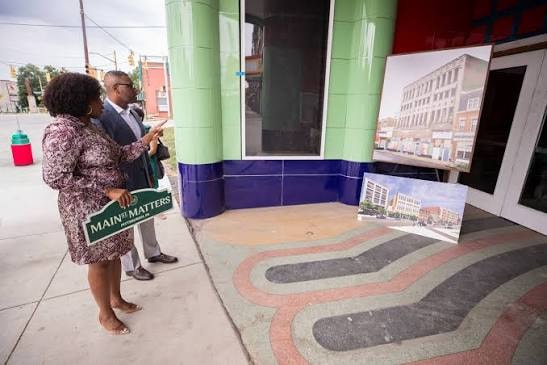
Take a Trip Back Down Memory Lane: The Historic New Granada Theater and Why Pittsburgh Still Cares
Last week, Pittsburgh celebrated exciting news: new investment was announced for the restoration of the historic New Granada Theater. The response was immediate. People shared memories, expressed excitement, and celebrated what the landmark means to the city.
Read the Full Story →Historic Place Watch
Tracking Pittsburgh's most important restoration and preservation projects.
New Granada Theater
Hill District
The legendary Hill District theater is entering a new phase of restoration with $1M in state investment secured.
Read Story →National Negro Opera House
Manchester
Founded by Mary Cardwell Dawson in 1941, the National Negro Opera House is being restored as a cultural landmark.
Read Story →Kelly Strayhorn Theater
East Liberty
Named for Pittsburgh legends Gene Kelly and Billy Strayhorn, this East Liberty theater remains a vital arts hub.
Read Story →August Wilson House
Hill District
The childhood home of Pulitzer Prize-winning playwright August Wilson is now open as a cultural landmark and museum.
Read Story →Freedom Corner
Hill District
The historic intersection of Centre and Crawford — where the civil rights movement found its Pittsburgh voice.
Read Story →Crawford Grill
Hill District
Once the heartbeat of Pittsburgh jazz culture, the Crawford Grill awaits a new chapter in its storied history.
Read Story →The National Opera House — Then & Now
Founded in Pittsburgh in 1941 by Mary Cardwell Dawson, the National Negro Opera Company was the first Black opera company in America. Today, that legacy is being restored — and celebrated.

Pittsburgh’s National Opera House Secures Massive $1.75 Million Mellon Foundation Grant
One of the largest single arts investments in Pittsburgh’s recent history — expanding free tickets, new productions, and bringing opera into Pittsburgh Public Schools.
The historic Manchester building that housed the company is now being restored as a cultural landmark and community anchor for the region.
Read Full Story →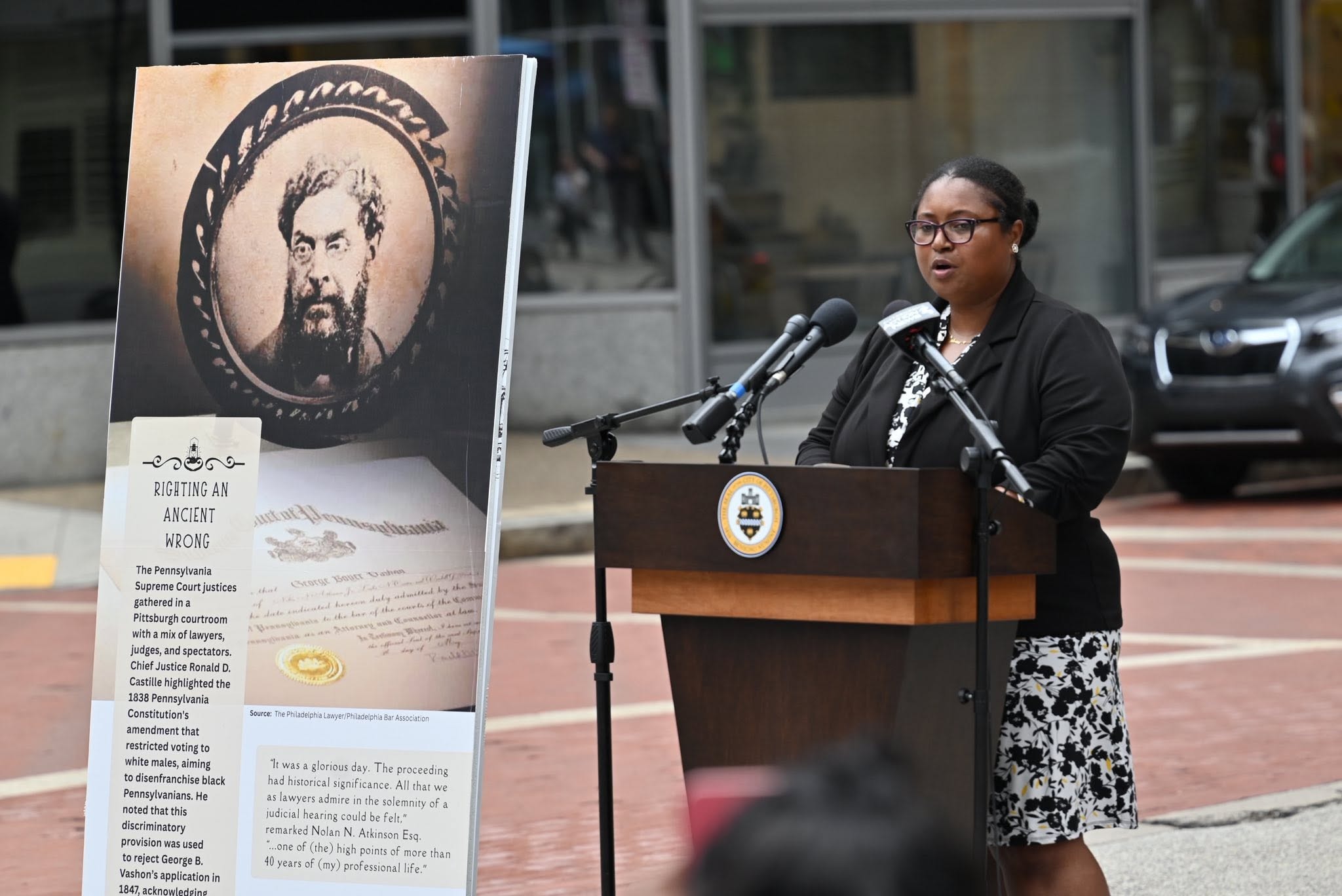
Honoring Vashon: Pittsburgh Unveils History Marker
Pittsburgh has officially unveiled a Pennsylvania Historical Marker honoring John B. Vashon — abolitionist, civil rights pioneer, and one of the most consequential Black leaders in 19th-century Pittsburgh. His bathhouse and barbershop on Liberty Avenue served as a key stop on the Underground Railroad.
Read the Full Story →Landmark Restoration Tracker
Follow the progress of Pittsburgh's most important preservation projects in real time.
| Landmark | Status | Last Update | |
|---|---|---|---|
| New Granada Theater | Phase 2 Underway | July 2026 | View → |
| National Negro Opera House | Restoration in Progress | July 2026 | View → |
| August Wilson House | Open | June 2026 | View → |
| Kelly Strayhorn Theater | Active Cultural Venue | July 2026 | View → |
| Crawford Grill | Preservation Needed | June 2026 | View → |
The People Who Built Black Pittsburgh
Profiles of the visionaries, artists, activists, and community builders whose contributions shaped our city.
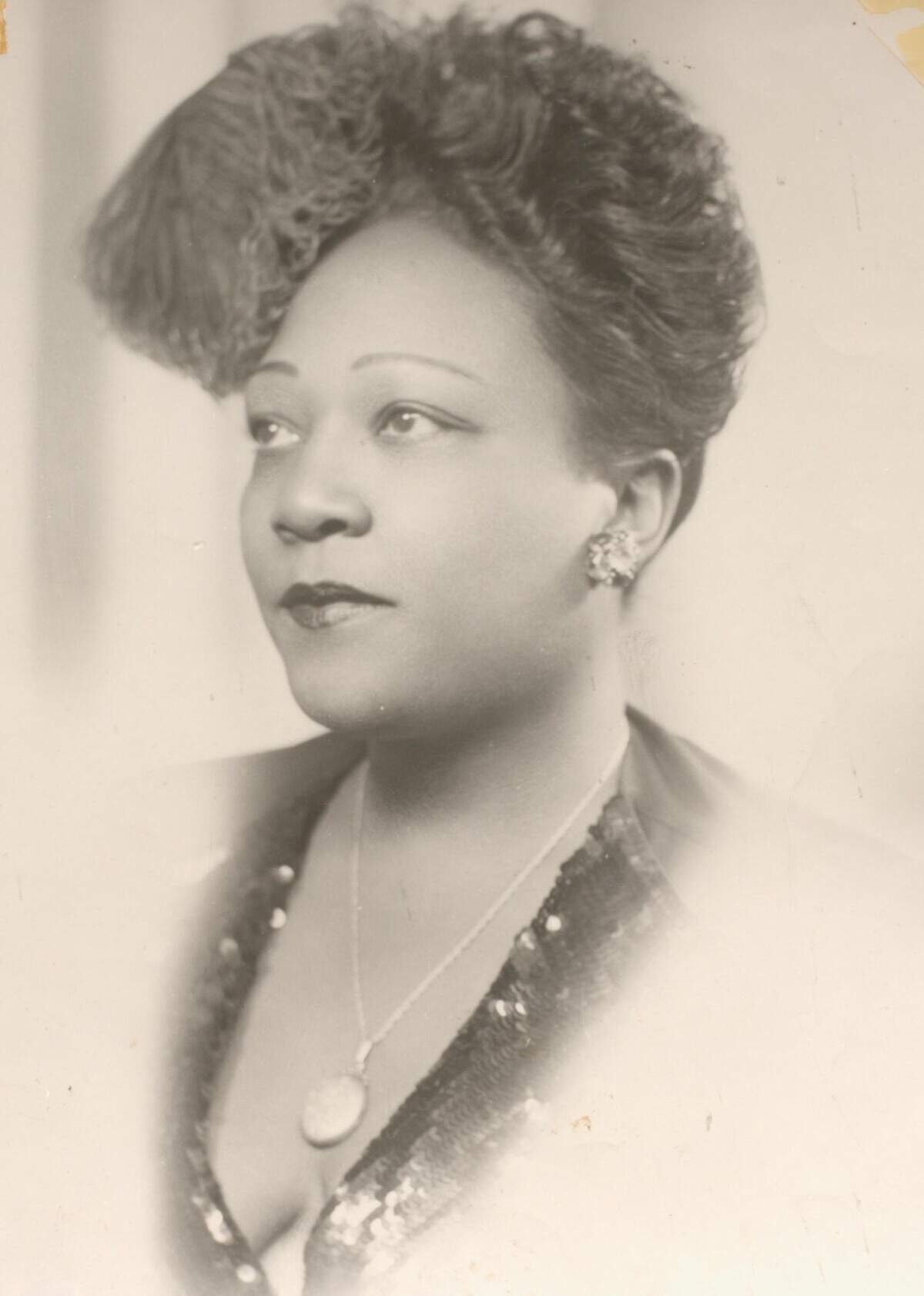 1894–1962
Mary Cardwell Dawson
Founder, National Negro Opera Company
A pioneering music educator and visionary, Mary Cardwell Dawson founded the National Negro Opera Company in 1941 — the first Black opera company in the United States — right here in Pittsburgh.
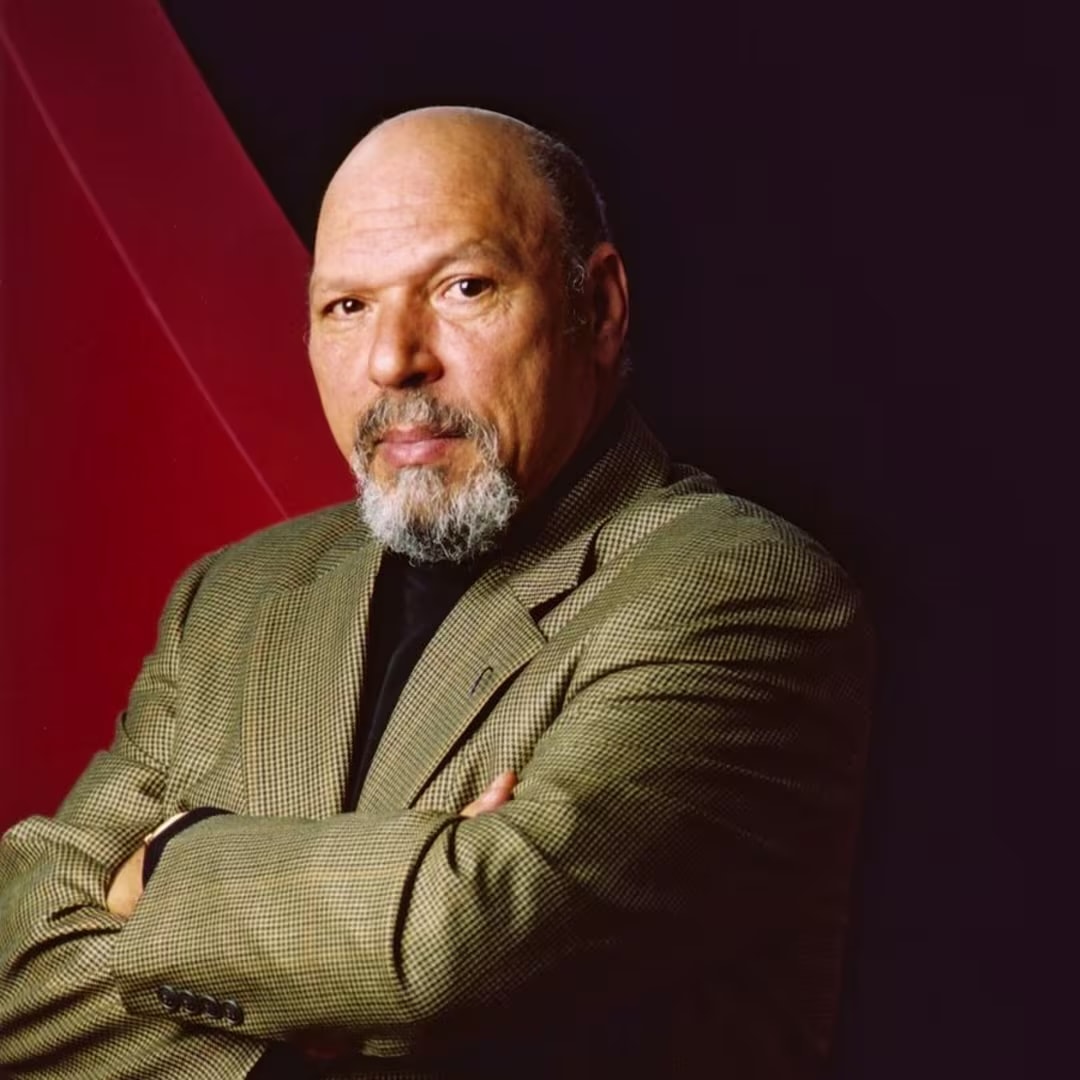 1945–2005
August Wilson
Playwright & Pulitzer Prize Winner
Born in the Hill District, August Wilson's ten-play Pittsburgh Cycle stands as one of the greatest achievements in American theater, centering Black life and experience with unmatched power.
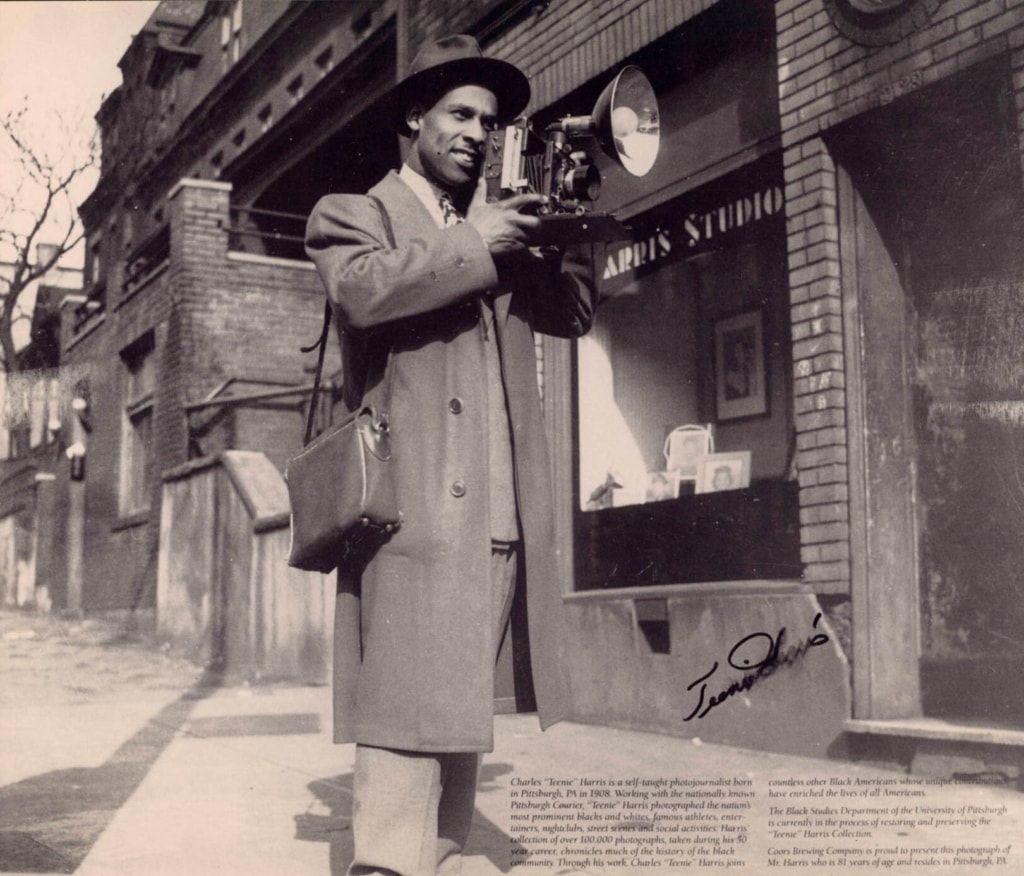 1908–1998
Charles 'Teenie' Harris
Photographer & Visual Historian
For five decades, Teenie Harris documented Black Pittsburgh life through his lens — creating an unparalleled visual archive of community, culture, and resilience now preserved at the Carnegie Museum of Art.
 1919–2006
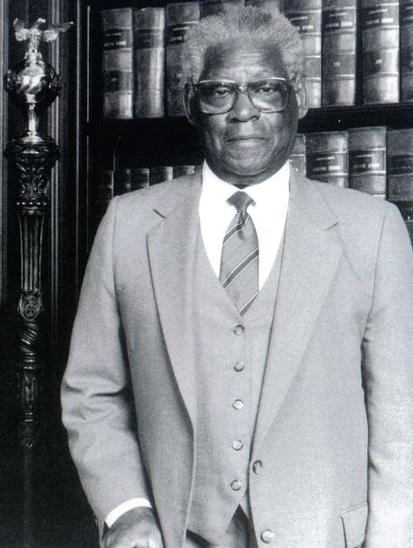
K. Leroy Irvis
Pennsylvania House Speaker
K. Leroy Irvis became the first Black Speaker of the Pennsylvania House of Representatives in 1977 — a landmark achievement in Pennsylvania political history rooted in Pittsburgh's Hill District.
The Neighborhoods That Built Us
Each neighborhood carries its own story of resilience, culture, and community.
Hill District
The Crossroads of the World
Often called the cultural heart of Black Pittsburgh — its jazz clubs, theaters, businesses, and community leaders shaped generations of artists, entrepreneurs, and civil rights advocates.
- Home to the historic New Granada Theater
- Birthplace of Pulitzer Prize-winning playwright August Wilson
- Once known as the “Crossroads of the World” for its legendary jazz scene
- Today undergoing a major renaissance through historic preservation
Homewood
Roots & Resilience
One of Pittsburgh’s most influential African American neighborhoods — known for strong community institutions, cultural pride, and a deep commitment to education and revitalization.
- Home of the National Negro Opera House
- Rich tradition of Black churches and community organizations
- Birthplace of nationally recognized community leaders
- Growing arts, cultural, and entrepreneurship initiatives
East Liberty
Reinvention & Identity
East Liberty has experienced one of Pittsburgh’s most dramatic transformations — raising important conversations about investment, affordability, and preserving community identity.
- Historic commercial district with deep Black roots
- Home to the Kelly Strayhorn Theater
- Questions surrounding gentrification and displacement
- Diverse mix of old and new Pittsburgh
Manchester
History & Renewal
Manchester combines remarkable Victorian architecture with a deep history of African American community life — balancing historic preservation with neighborhood investment and cultural growth.
- Historic North Side neighborhood with Victorian homes
- Home to the National Negro Opera House building
- Pittsburgh’s closest neighborhood to the National Opera House
- Growing residential investment and strong community organizations
Larimer
A New Chapter
Larimer is becoming a national example of neighborhood revitalization driven by sustainability, affordable housing, and community partnerships — while honoring its historic Black roots.
- EcoDistrict redevelopment model — a national model
- New affordable housing and green infrastructure
- Community-driven planning process
- Historic Black neighborhood with a forward-looking vision
Wilkinsburg
Strength & Solidarity
Just beyond Pittsburgh’s eastern border, Wilkinsburg has long served as a center of Black homeownership, faith, education, and civic leadership — with a historic business district at its core.
- Historic Black middle-class community
- Rich collection of historic churches and civic institutions
- Strong tradition of civic and political leadership
- Ongoing revitalization efforts and community investment
The Businesses That Built Black Pittsburgh
Historic enterprises and the modern Black-owned businesses carrying their legacy forward.

- 01Crawford GrillThe legendary jazz club on Wylie Avenue was the heartbeat of Hill District nightlife — hosting Duke Ellington, Ella Fitzgerald, and the greatest names in jazz.
- 02Pittsburgh CourierOnce the most widely read Black newspaper in America, the Pittsburgh Courier shaped national civil rights discourse from its Hill District headquarters.
- 03Wiley Avenue Business DistrictAt its peak, Wylie Avenue was lined with Black-owned pharmacies, restaurants, law offices, and entertainment venues — a self-sustaining economic ecosystem.
- 04Today’s Legacy BuildersA new generation of Black entrepreneurs is building on that foundation — from tech startups and restaurants to real estate and creative enterprises across the region.
A History Written in Resilience
From the earliest freedom seekers to today’s community builders — the arc of Black Pittsburgh.
Freedom & Foundation
Pittsburgh serves as a critical stop on the Underground Railroad. Black churches, mutual aid societies, and abolitionist networks form the foundation of community life. The Pittsburgh Courier is founded in 1907 and grows into the most widely read Black newspaper in America.
The Great Migration & the Hill District Renaissance
Thousands of Black families migrate north to Pittsburgh. The Hill District becomes a cultural capital — home to jazz legends, the New Granada Theater, the Crawford Grill, and a thriving Black business district. In 1941, Mary Cardwell Dawson founds the National Negro Opera Company in Pittsburgh — the first Black opera company in the United States.
Civil Rights & Urban Renewal
Pittsburgh’s civil rights movement finds its voice at Freedom Corner. Urban renewal displaces thousands of Hill District residents to build the Civic Arena — a wound the community still carries and fights to heal. The Pittsburgh Courier reaches national circulation of over 200,000 readers.
Political Power & Cultural Legacy
K. Leroy Irvis becomes the first Black Speaker of the Pennsylvania House in 1977. August Wilson begins writing his Pittsburgh Cycle — ten plays chronicling Black life in the Hill District across the 20th century. Black political and cultural leadership reshapes the city’s identity.
Preservation, Revitalization & the Next Chapter
Community-led preservation efforts restore the New Granada Theater and August Wilson House. The National Negro Opera House in Manchester secures a landmark $1.75M Mellon Foundation grant. New generations of Black entrepreneurs, artists, and leaders are writing the next chapter of Pittsburgh’s story.
Pittsburgh’s legacy isn’t just history — it’s being written right now. From neighborhood revitalization to landmark grants, the next chapter belongs to the community.
PUM Forward →
Share Your Legacy
Pittsburgh’s history lives in your family albums, church bulletins, neighborhood memories, and personal stories. We want to hear from you.
Share your photographs, family histories, business stories, and community memories — and help us build the most complete archive of Black Pittsburgh ever assembled.
Submit Your Story →