
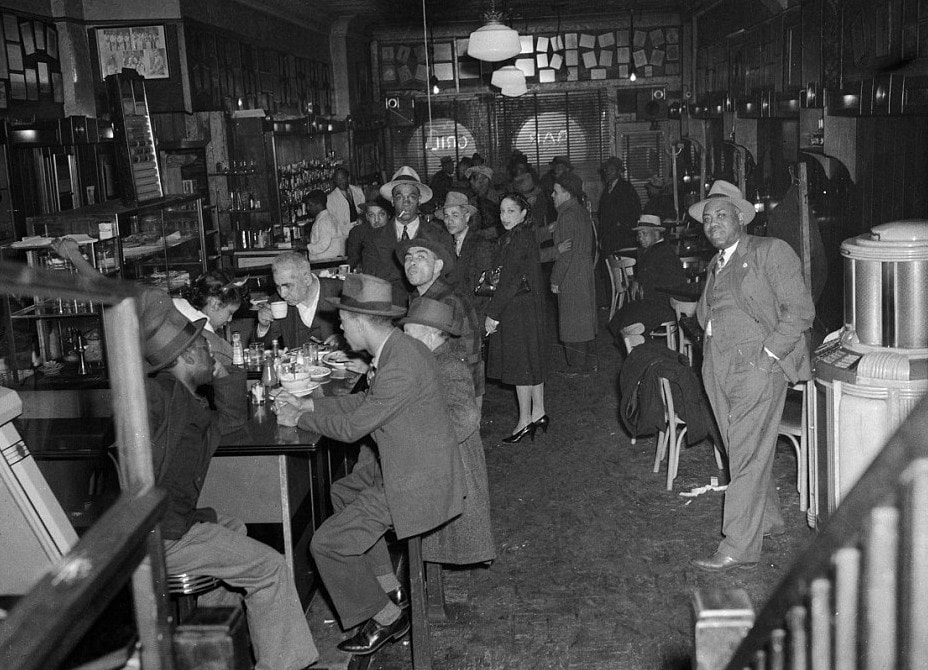
The Heartbeat of Pittsburgh Jazz
Long before Pittsburgh became known for its sports teams, the city’s Hill District was internationally recognized for its extraordinary jazz scene. At its center stood the legendary Crawford Grill on Wylie Avenue — a venue that drew the greatest names in American music and became one of the most celebrated Black entertainment venues in the country.
Musicians, entertainers, political leaders, and neighborhood residents gathered here to experience performances that helped define Pittsburgh’s cultural identity. National jazz legends shared the stage with local talent, making the Crawford Grill a place where the music was always extraordinary and the community was always welcome.
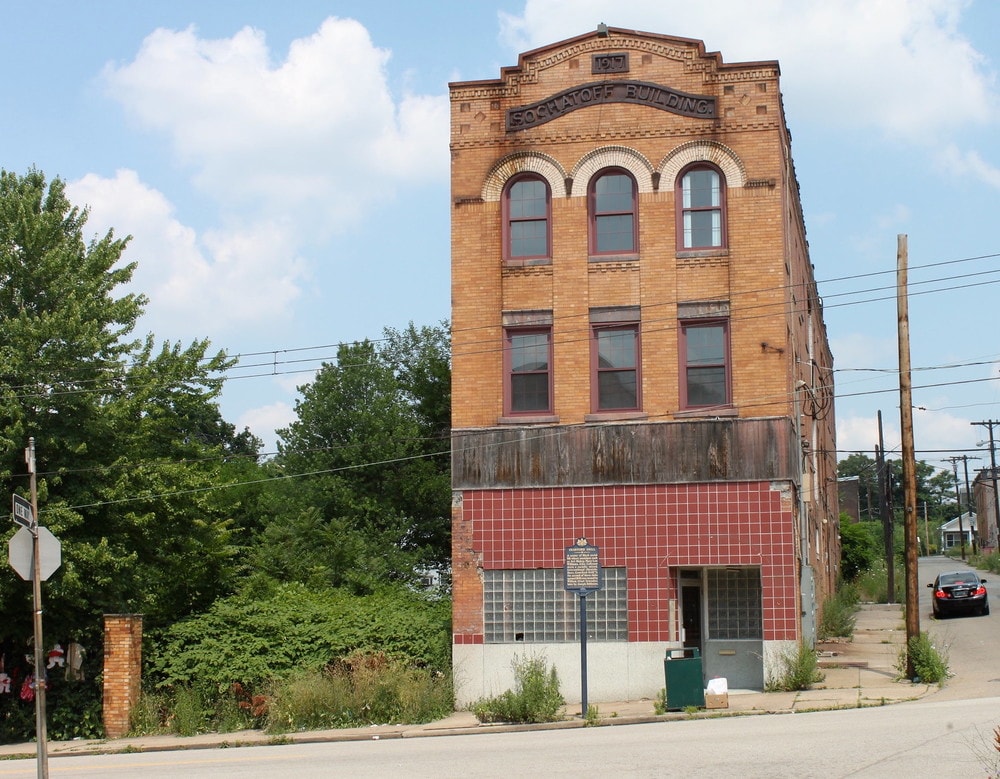
Who Played the Crawford Grill
The Crawford Grill’s stage hosted some of the greatest names in American music. Pittsburgh’s own jazz legends — Billy Strayhorn, Erroll Garner, Ahmad Jamal, Art Blakey, and Mary Lou Williams — performed here alongside national stars who made the Hill District a required stop on any jazz tour.
“The Crawford Grill wasn’t just a club — it was the living room of the Hill District. Everyone came through those doors.”
More Than a Music Venue
The Crawford Grill was more than a place to hear music — it was a community institution. In an era of segregation, it was one of the few places in Pittsburgh where Black residents could gather, celebrate, and be seen. Political leaders, civil rights activists, and community organizers met here. The Grill was a space where Black Pittsburgh could be fully itself.
The venue was also deeply connected to the Pittsburgh Courier, the nationally influential Black newspaper headquartered in the Hill District. Together, the Courier and the Crawford Grill helped make the Hill District one of the most culturally significant Black communities in America.
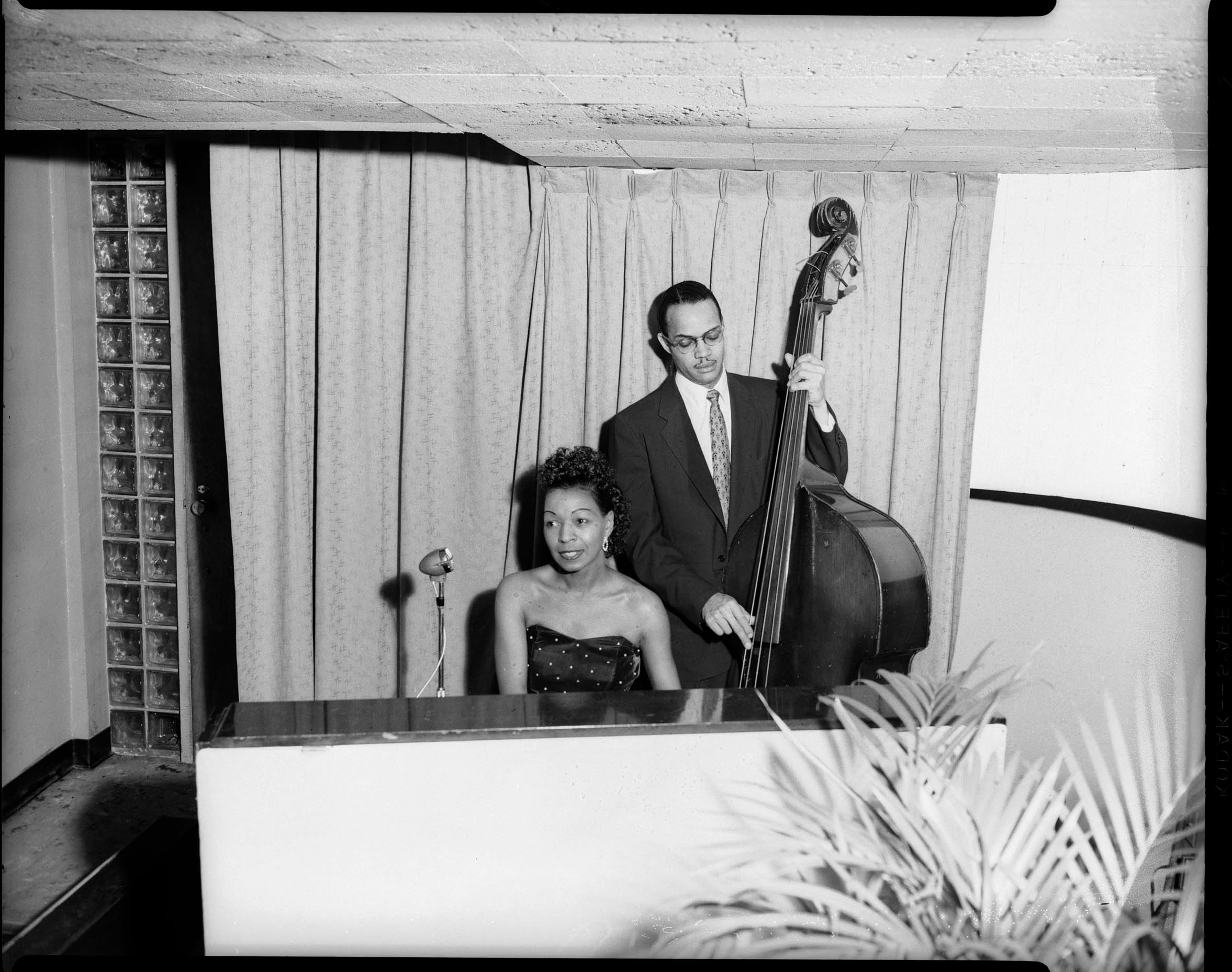
Although the building no longer echoes with nightly performances, preservation advocates continue working to ensure the Crawford Grill’s remarkable legacy is not forgotten. The Crawford Grill remains one of Pittsburgh’s most important cultural landmarks — and one of its greatest preservation opportunities. PUM will continue to track and report on preservation efforts.
The Crawford Grill is not just a piece of Pittsburgh history — it is a piece of American cultural history. Preserving its legacy means preserving the story of a community that gave the world some of its greatest music.