Pittsburgh's Jazz Legacy Lives On in a New Generation of Artists
From the Hill District clubs that launched legends like Ahmad Jamal and Billy Strayhorn to the stages of today, Pittsburgh's jazz tradition is being carried forward by a bold new wave of musicians redefining the sound for the 21st century.
Culture Builders
These are the culture-builders — filmmakers, artists, educators, and community voices whose work defines the texture of Black life in Pittsburgh today and preserves its legacy for tomorrow.
Pittsburgh’s Black Music Legacy: How the Steel City Shaped the Sound of America
From the jazz clubs of the Hill District to the global stages of hip-hop, Black musicians from Pittsburgh have helped define American music for more than a century.
By Pittsburgh Urban Media Staff · Black Music Month 2026
As the nation celebrates Black Music Month in June, Pittsburgh stands as one of America’s most important yet often overlooked musical powerhouses.
From legendary jazz innovators to Grammy-winning performers and modern hip-hop voices, Black musicians from Pittsburgh have helped shape the sound of American music for more than a century. The city’s historic Hill District once rivaled Harlem as a center of Black arts and nightlife. Its clubs, theaters, churches, and community spaces became training grounds for artists whose influence would reach audiences around the globe.
During Black Music Month, Pittsburgh’s role in preserving and advancing Black music traditions deserves national recognition.
The Hill District: Pittsburgh’s Cultural Soundtrack
Jazz Legends of Pittsburgh
In the early and mid-20th century, the Hill District pulsed with creativity. Musicians performed in packed jazz clubs along Wylie Avenue while local audiences embraced a growing sound that would redefine American culture.
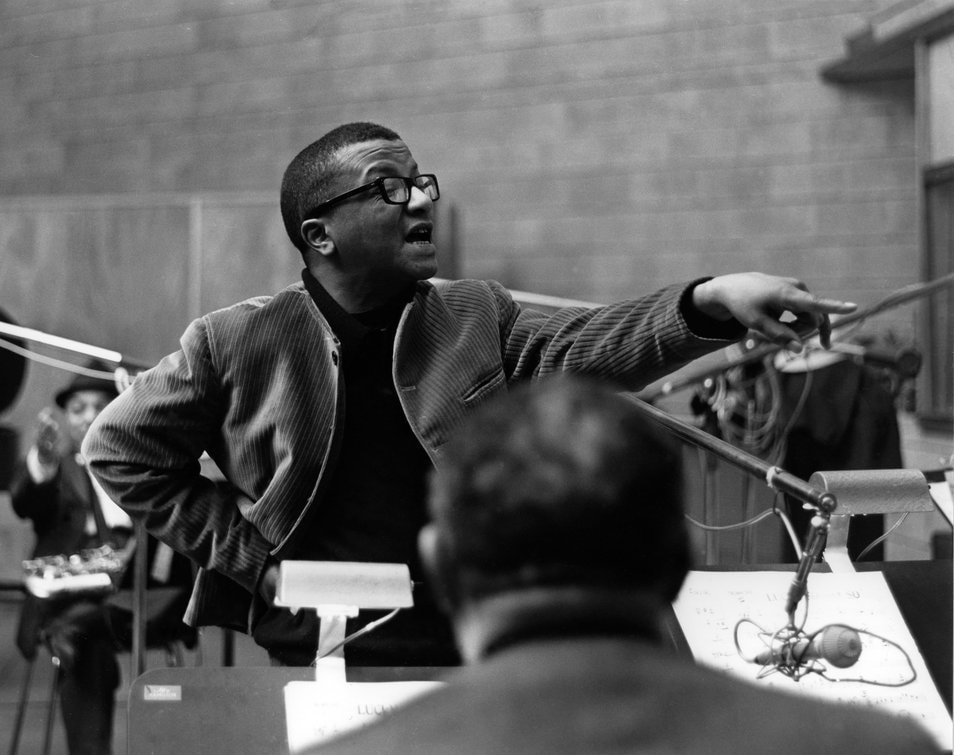
A monumental composer and arranger famous for his decades-long collaboration with Duke Ellington, including the jazz standard "Take the 'A' Train." His sophisticated songwriting elevated jazz into a global art form.
One of the most influential drummers in jazz history, Blakey pioneered the hard bop movement. Through his legendary band, The Jazz Messengers, he mentored generations of future stars.
A groundbreaking pianist, arranger, and composer who broke barriers as one of jazz's most innovative women musicians. A mentor to Dizzy Gillespie and Thelonious Monk, she created the acclaimed Zodiac Suite.
His innovative, minimalist piano style influenced countless musicians, including Miles Davis, reshaping how jazz was performed and heard.
A virtuosic pianist who revolutionized jazz piano phrasing in the 1920s and 1930s alongside Louis Armstrong.
A celebrated pianist and composer best known for writing the classic ballad "Misty," one of the most beloved jazz standards ever recorded.
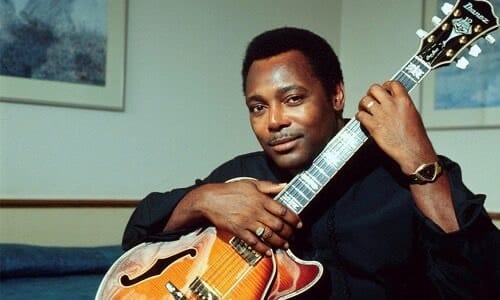
A Grammy-winning guitarist and singer whose smooth blend of jazz, pop, and R&B earned international acclaim.
Pittsburgh is widely celebrated as one of the birthplaces of jazz, producing pioneering instrumentalists and composers whose influence reshaped American music and culture worldwide.
Pittsburgh’s vocalists and multi-instrumentalists have reached the heights of Broadway, television, and pop collaborations — carrying the city’s soul tradition to global audiences.
Beyond Jazz: Pittsburgh’s Expanding Influence
R&B, Soul & Broadway
Pittsburgh’s Black music legacy extends beyond jazz into Broadway, soul, R&B, and contemporary entertainment.
Born and raised in Pittsburgh, Billy Porter became a groundbreaking Broadway and television star — Tony and Emmy-winning — while continuing his music career as a singer and performer. His success reflects the city's long tradition of producing fearless Black artists who challenge convention.
Singer-songwriter Syreeta Wright helped shape the Motown sound through her collaborations with Stevie Wonder, contributing to some of the era's most soulful recordings.
Legendary singer and actress Lena Horne spent formative years in Pittsburgh's Hill District, where the city's vibrant Black cultural scene helped inspire her rise to stardom.
Pittsburgh’s Modern Black Music Movement
Hip-Hop, R&B & Spoken Word
Today, Pittsburgh continues building on that legacy through a thriving hip-hop, R&B, and spoken-word scene.
One of the city's most globally recognized artists with hits like "Black and Yellow," turning Pittsburgh pride into an international anthem.
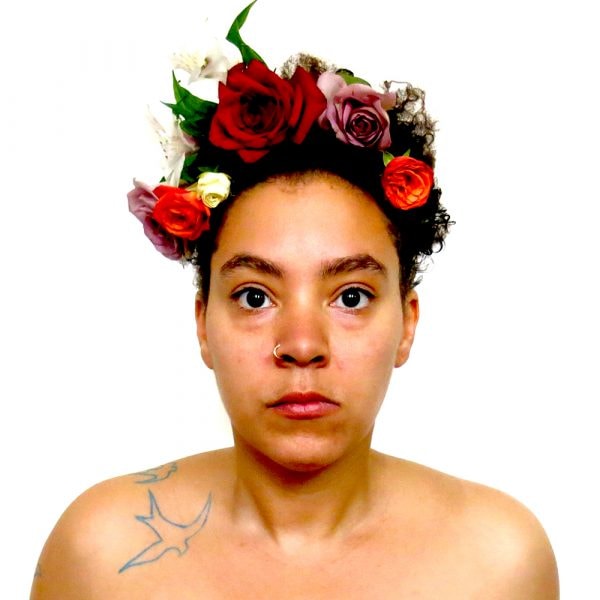
A rising alternative hip-hop artist who blends experimental creativity with a deeply personal artistic vision.
An acclaimed local R&B and neo-soul artist known for exploring themes of emotional healing and lived experiences through soulful storytelling.
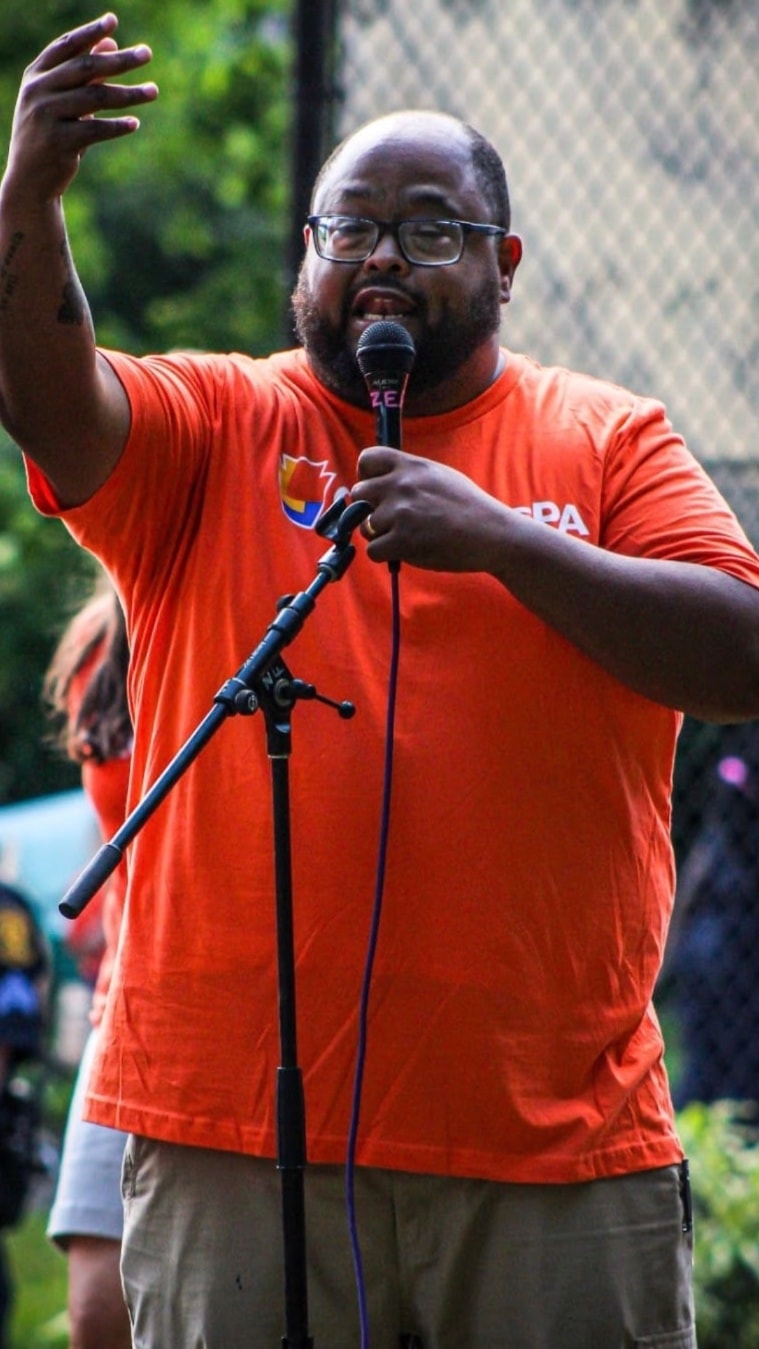
Prominent figures in the local 1Hood Media artist collective, consistently pushing the envelope in Pittsburgh's modern rap and spoken-word scene — using music and art to address issues affecting Black communities.
From the 2010s explosion to today, Pittsburgh’s rap and R&B communities remain active and innovative — carrying the city’s musical legacy into a new generation.
The Intersection of Juneteenth & Black Music Month
Every June, two powerful celebrations converge to tell the story of Black resilience, creativity, and liberation in America. Black Music Month honors the generations of Black artists who shaped the soundtrack of American culture, while Juneteenth commemorates the emancipation of enslaved African Americans and the ongoing pursuit of freedom.
Long before freedom was written into law, music served as a tool of resistance and survival. Spirituals carried hidden messages of escape and hope. Blues documented hardship and migration. Jazz represented improvisation and freedom of expression. Gospel inspired faith during segregation. Hip-hop emerged as a voice against systemic inequality. In many ways, Black music has always functioned as the soundtrack to Black liberation.
Honoring the Legacy During Black Music Month
Black Music Month offers an opportunity not only to celebrate famous names, but also to recognize the neighborhoods, communities, and cultural institutions that made their success possible. Pittsburgh’s Black musicians helped shape jazz, soul, R&B, Broadway, and hip-hop while carrying the spirit of the Hill District onto global stages.
As June shines a spotlight on Black music history nationwide, Pittsburgh’s contributions deserve a central place in that story — a reminder that some of America’s most influential sounds were born right here in the Steel City.
Honor Black Music Month in Pittsburgh
Downtown Pittsburgh's premiere cultural event spans multiple days and features major headlining performances, local artists, and food vendors honoring Black history and music.
Held concurrently with Juneteenth weekend, this festival features indoor and outdoor events including live musical performances.
Experience top-tier Black American music at Con Alma, which frequently hosts tribute nights and local jazz legends.
A hub for Black arts and culture, frequently hosting musical showcases, residencies, and legacy celebrations.
Head to The Pitch on Butler for deep-cut vinyl, boss reggae, and northern soul.
Kenny Gamble and Dyana Williams founded the Black Music Association, recruiting Stevie Wonder and Berry Gordy.
President Jimmy Carter hosted the first Black Music Month celebration on the White House lawn, featuring Chuck Berry.
The U.S. House passed House Resolution 509 — The African-American Music Bill — making the month an official national observation.
President Barack Obama officially renamed the celebration to African-American Music Appreciation Month.
Cultural Heritage
The legends who built Pittsburgh's Black cultural identity.
August Wilson
Pittsburgh's Hill District gave the world its greatest playwright. Wilson's ten-play Century Cycle — including Fences and The Piano Lesson — stands as the definitive chronicle of Black American life in the 20th century.
Billy Strayhorn
Composer, arranger, and Duke Ellington's closest collaborator, Strayhorn grew up in Pittsburgh's Hill District. 'Take the A Train' and 'Lush Life' are among his enduring masterworks.
Ahmad Jamal
Born in Pittsburgh, Jamal revolutionized jazz piano with his innovative use of space and silence. His 1958 recording at the Pershing Hotel remains one of the best-selling jazz albums of all time.
Never Miss a Cultural Moment
Get PUM's arts and culture coverage delivered to your inbox every week.