
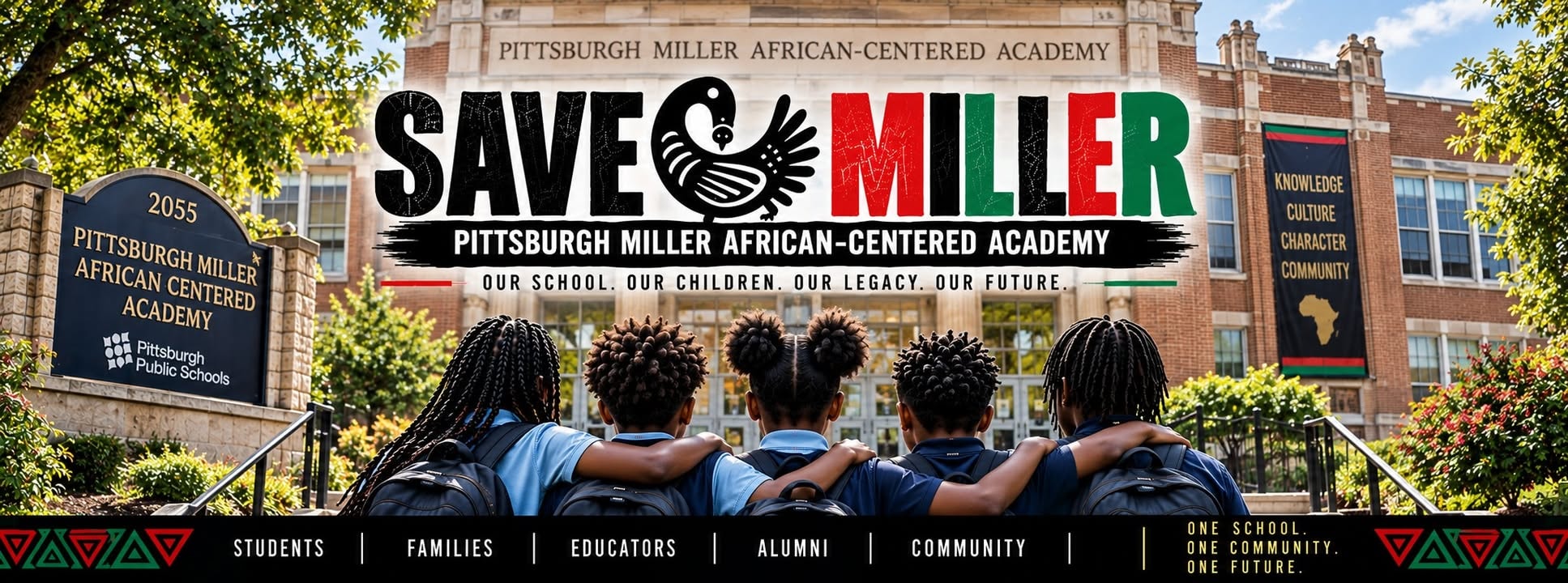
SAVE MILLER: A Community Fights to Protect Pittsburgh’s Legacy of Black Education
Miller African-Centered Academy faces closure under Pittsburgh Public Schools’ facilities plan. Explore the school’s historic roots in Black education, the community’s concerns about educational equity, and the coalition’s efforts to protect this important institution.
PITTSBURGH — Before Black children in Pittsburgh could count on a place in the city’s public education system, their families and community leaders had to fight to create one.
In 1832, Black abolitionists, educators and community leaders organized through the Pittsburgh African Education Society and established a school for Black children at Bethel African Methodist Episcopal Church. Among the leaders associated with this effort were the Rev. Lewis Woodson and John B. Vashon, men who understood that education was essential to freedom, self-determination and the future of Black people.
That act of community determination helped establish a legacy recognized as the beginning of Pittsburgh’s first school for Black children.
Today, nearly two centuries later, that legacy is at the center of an urgent community fight.
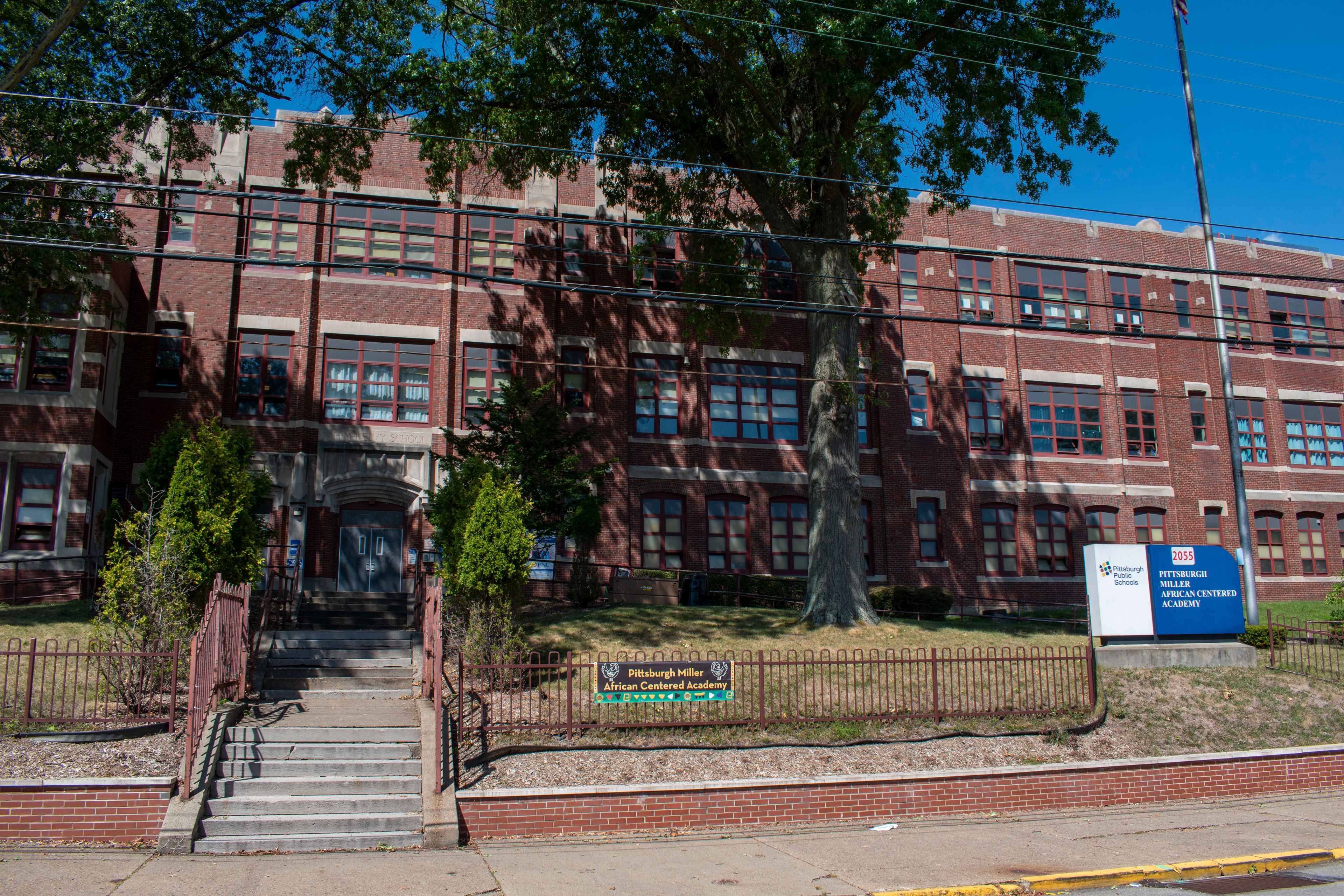
Miller African-Centered Academy, located at 2055 Bedford Avenue in the Hill District, is facing closure under Pittsburgh Public Schools’ Future-Ready Facilities Plan. On Friday, October 16, 2026, school stakeholders, Hill District families and community advocates gathered for a press conference to announce a plan of action to save the school.
For those working to preserve Miller, this is not simply a debate about enrollment, buildings or the district’s budget. It is a question of what happens when an institution connected to generations of Black educational struggle is at risk of disappearing from the community that helped bring it into existence.
The fight to save Miller is about protecting a school—and preserving a legacy that belongs to Pittsburgh.
The Beginning: Black Pittsburgh Built Its Own Path to Education
The roots of Miller reach back to a period when Black children faced severe barriers to formal education.
On January 16, 1832, Black leaders organized the Pittsburgh African Education Society, advancing a vision in which Black children would have access to learning despite the racial exclusions of the era. The early school operated at Bethel AME Church, one of Pittsburgh’s most significant Black institutions.
The Rev. Lewis Woodson was a minister, writer and advocate for Black self-determination. John B. Vashon was a businessman, abolitionist and supporter of Black advancement. Their work reflected a broader movement among free Black Americans to build independent institutions capable of serving their communities when existing systems refused to do so.
The early school reportedly enrolled approximately 85 Black children. It offered something fundamental: an opportunity to learn in a society that frequently denied Black people educational access and equal standing.
The effort was not simply an act of charity. It was a statement that Black children deserved an education, that their intellectual abilities were equal to those of their white counterparts, and that their future should not be determined by racial exclusion.
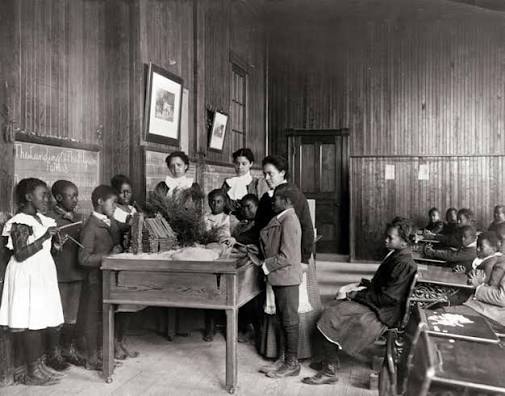
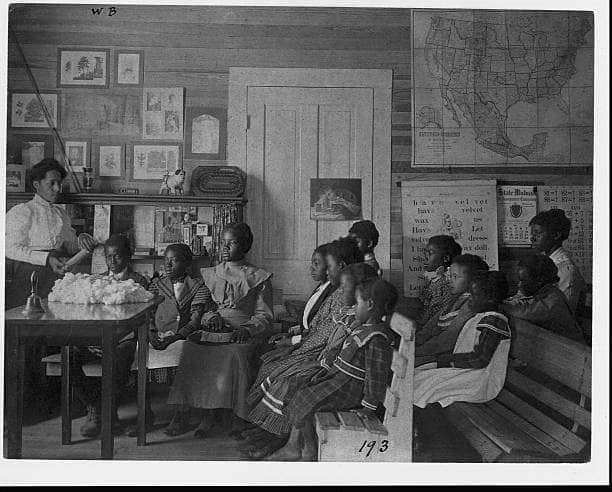
In 1837, the school’s evolution reached another milestone when the African School was established on Miller Street. Historical accounts recognize it as Pennsylvania’s first public school for Black children.
The institution later became associated with Miller Street School, formally established in 1868 to educate Black children. Its history reflects both the determination of Black Pittsburghers to secure educational opportunities and the segregation that continued to shape the city’s school system.
Miller’s roots are local, but the significance reaches far beyond one neighborhood. The school stands within a national history of Black communities creating educational institutions in response to exclusion, discrimination and unequal access.
Why Miller’s History Matters Now
Over time, Miller’s identity changed, but its place in Pittsburgh’s Black educational history remained significant.
In the late twentieth century, community advocacy helped establish the school’s African-centered educational identity. Today, Miller African-Centered Academy integrates the history, culture and contributions of people of African descent into students’ learning.
The academy incorporates the Nguzo Saba, the seven principles associated with Kwanzaa: unity, self-determination, collective work and responsibility, cooperative economics, purpose, creativity and faith.
For supporters, African-centered education is more than a cultural enrichment program. It offers students opportunities to learn through a curriculum that recognizes their heritage and places Black history and achievement within the broader story of human civilization.
Miller is recognized as Western Pennsylvania’s first public African-centered elementary academy. Its continued existence provides a connection between the original struggle for Black educational access and a contemporary effort to ensure that Black children have access to learning environments that affirm their identities.
That is why the proposed closure carries particular weight. When a school with this history closes, the consequences extend beyond a change of address. The community must also confront what happens to its distinctive educational mission, the relationships it has built and the institutional memory it carries.
How Did Pittsburgh Get Here?
The immediate dispute is part of a broader debate over the future of Pittsburgh Public Schools.
The district has pointed to declining enrollment, aging buildings and the need to reorganize facilities and resources. On May 27, 2026, the school board approved an amended Future-Ready Facilities Plan that includes Miller among the schools slated for closure at the end of the 2026–2027 school year.
But families and community advocates argue that decisions about schools must also consider educational equity, neighborhood needs, cultural identity and the long-term consequences for communities that have already experienced generations of institutional loss.
For the Hill District, the debate is especially sensitive. The neighborhood has endured decades of urban renewal, displacement, population change and the loss of important community institutions. The closure of another school raises concerns about whether the needs and history of Black residents are being adequately considered in decisions shaping the neighborhood’s future.
The central disagreement is not simply whether a building should remain open. It is whether the district’s approach adequately recognizes the distinct educational and cultural role Miller serves.
The Fight to Save Miller
The movement to save Miller has grown beyond concern over a single school.
Hill District families, school stakeholders and community advocacy groups—including 412 Justice and the Advancement Project—have been involved in efforts to challenge the closure plan and draw attention to its potential impact.
In July 2026, parents of five Black Pittsburgh Public Schools students, supported by advocacy organizations, filed a civil rights complaint with the U.S. Department of Education’s Office for Civil Rights. The complaint alleges that the district’s closure plan disproportionately affects Black students and raises questions about whether the district has met its obligations under federal civil rights law.
The complaint is a formal legal step, but it also reflects a broader argument: that decisions affecting predominantly Black schools must be evaluated through the lens of educational equity and civil rights, not only through financial or logistical considerations.
The Save Miller campaign has worked to keep the school’s history and the community’s concerns visible in public conversations about the district’s future.
What Comes Next
The October 16, 2026 press conference brought together school stakeholders, Hill District families and community advocates to announce their plan of action.
Community members can follow the Save Miller African-Centered Academy campaign for verified updates, participation details and opportunities to support the effort. Pittsburgh Urban Media will continue to follow the campaign, including the coalition’s demands, the voices of Miller families and the response from Pittsburgh Public Schools.
Rally to Save Miller — October 23, 2026
Organizers have promoted a community rally for October 23. Follow the Save Miller African-Centered Academy campaign for verified location, time and participation details.
Pittsburgh Urban Media will continue to follow this developing story.
Honoring our past. Protecting our present. Investing in our future.