Pittsburgh Urban Media
Next Gen — young leaders shaping Pittsburgh's future
Next Gen · Youth in Focus

The Future of the 412 Is Being Shaped Right Now

Young creators, student activists, and rising campus leaders — front-row coverage of everything driving youth culture in Pittsburgh and across Pennsylvania.

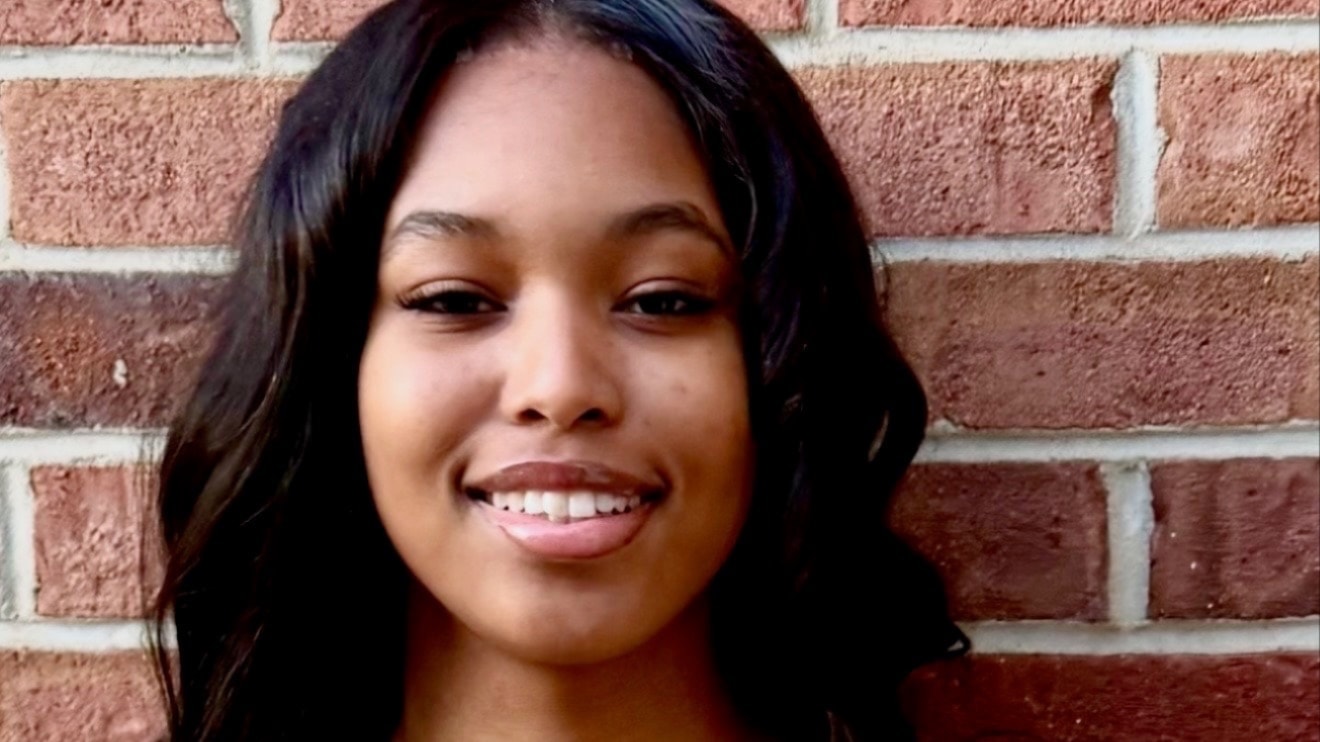
Rainier Sky Beckham — Pittsburgh Urban Media Next Gen contributor
Next Gen Contributor
About the Author

Rainier Sky Beckham

Rising Senior, Shady Side Academy · Contributor since 9th Grade

Rainier Sky Beckham is a rising senior at Shady Side Academy and a frequent contributor to PittsburghUrbanMedia.com since the 9th grade. Through her columns, she brings you front-row coverage of everything driving youth culture — from student survival guides and local affordable spots to deep dives into community safety and the upcoming generation of leaders.

Driven by a lifelong love for reading sparked at age four, Rainier is the founder of Rainier Reads, a community-focused literacy initiative. The program combats the “summer slide” by delivering books directly to low-income children, fostering a love of reading, and ensuring equitable access to books with a specific focus on closing reading disparities within the African American community.

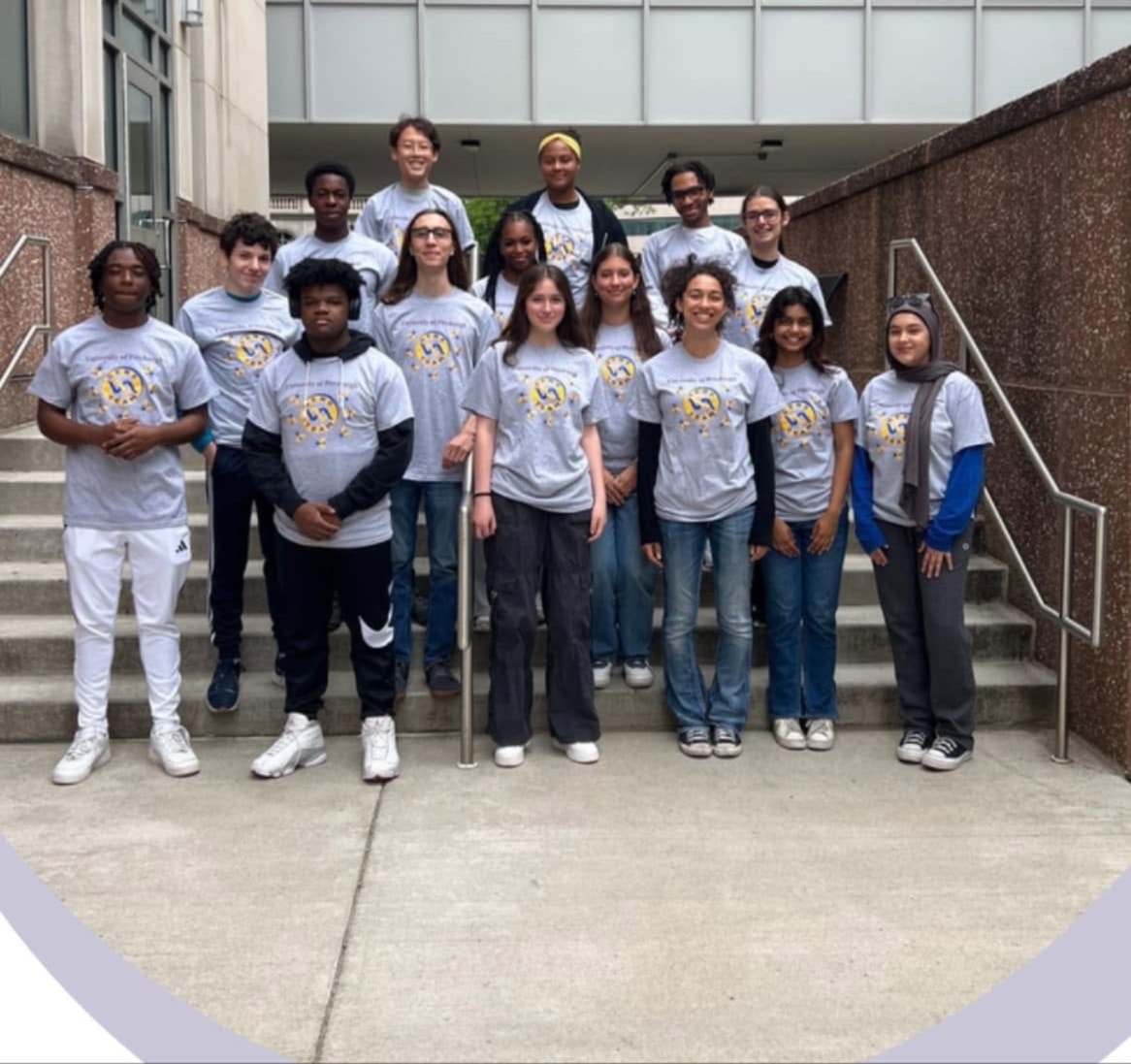
Professionally focused on the medical fields, Rainier was selected for the highly competitive Pitt Gene Team — an intensive, four-week program run by the University of Pittsburgh’s Department of Biological Sciences — where she mastered university-level laboratory skills and state-of-the-art research methodologies.

As a graduate of the intensive six-day Restorative Leadership Institute training, she advocates for youth empowerment and community healing, carrying the firm belief that young people are the ultimate solution to local challenges. On her own campus, Rainier balances her academic achievements with student life as a youth camp counselor, a varsity track athlete, and captain of the cheerleading team.

Rainier Reads FounderPitt Gene TeamRLI GraduateVarsity TrackCheer CaptainYouth Camp CounselorMedical Fields


Youth in Focus

The future of the 412 is being shaped right now by young creators, student activists, and rising campus leaders. In our Next Gen space, Rainier Sky Beckham brings you front-row coverage of everything driving youth culture — from student survival guides and local affordable spots to deep dives into community safety and the upcoming generation of leaders.

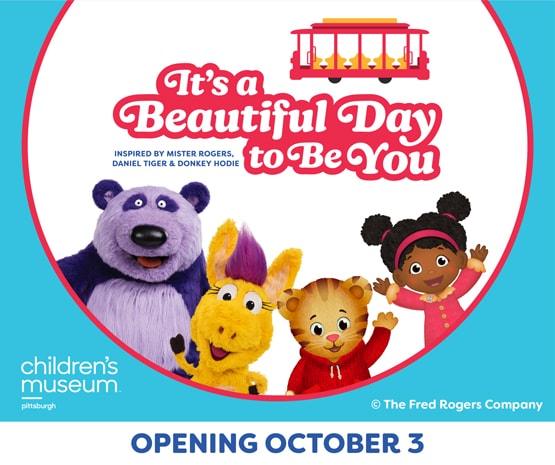
Children's Museum Pittsburgh — Very Eric Carle exhibitGettysburg Black History Trail — Adams County, PAPennsylvania Museums Are Packed With CultureAre you ready2ride? Pittsburgh Regional Transit
Pulse of Pittsburgh·Campus Tours That Make a Difference·Featured Story
Pulse of Pittsburgh · Featured
Campus Life

Campus Tours That Make a Difference

As a rising high school senior, the college search process can feel overwhelming — but my first official summer campus visit completely changed my perspective. I recently spent an eye-opening day at Duquesne University in Pittsburgh. The experience was packed with informative sessions, helpful people, and invaluable insights into the rapidly growing medical field. For anyone wondering how to find the right fit, visiting a campus in person is the only way to truly catch the “pulse” of a community.

From the moment the day kicked off, the atmosphere was incredibly welcoming. The faculty, presenters, and student tour guides were friendly, approachable, and eager to answer in-depth questions about academic tracks and career preparation. A major takeaway from the day was Duquesne’s absolute commitment to student success — the administration and faculty repeatedly emphasized that if you are unsure of your exact path, they are ready to step in with robust support systems to help you discover your strengths and navigate your academic journey.

First-Class Health Sciences and Direct Connections

The absolute highlight of my day was the comprehensive health science overview. Faculty members and presenters broke down detailed information on exactly what it takes to secure a degree in these competitive fields. Duquesne’s campus perfectly blends an urban environment with top-tier, modern facilities. I was amazed to tour the plans and layout for their brand-new $68 million John G. Rangos Sr. School of Health Sciences Building — slated to serve as a cutting-edge centerpiece on Forbes Avenue, this 80,000-square-foot facility is designed to mirror real-world medical environments with simulated clinics and labs, preparing students for the abundance of job opportunities waiting in healthcare.

What made the day truly unique was the unprecedented level of access to the university’s leadership and community. The tone was set right at the start when we got to hear Duquesne’s Dr. David Dausey, incoming 14th President — an internationally recognized epidemiologist taking office on July 1, 2026 — emphasize how accessible the administration is, letting everyone know that he is genuinely available to chat one-on-one with students on campus.

Learning Together: The Value of Shared Journeys

One of the most valuable, unexpected parts of the day happened during lunch. Getting a chance to sit down and share a meal with other visiting families created a whole separate learning experience. Talking one-on-one with families who are in the exact same boat was incredibly grounding. We compared notes on our college search journeys so far, swapped information about standard dorm sizes, and shared advice on navigating campus tours. Hearing what other families were experiencing gave me a wealth of good information and made the whole college process feel much more collaborative.

Campus Life, Traditions, and Student Culture

Beyond the classroom, I learned that student life on the Bluff is vibrant and full of options. Duquesne boasts clubs in abundance — ranging from serious academic associations to unique interests like bird watching. During the opening presentation at the UPMC Cooper Field House, I also got a taste of Duquesne’s rich athletic history. The facility is named after Chuck Cooper, a trailblazing Naismith Memorial Basketball Hall of Fame inductee, Pittsburgh native, and Duquesne alumnus who made history as the very first African American player drafted into the NBA when he was selected by the Boston Celtics.

Pro-Tips for Your Duquesne Visit

  • Wear comfortable walking shoes — Duquesne is built on a bluff, and the local hills will absolutely give you a serious workout.
  • Prepare for the weather — Summer in Pittsburgh can change quickly, so check the forecast before you arrive.
  • Talk to everyone — Don’t just stick to the tour guides. Stop by the booths and ask questions. Unlike many universities, Duquesne allows freshmen to have cars on campus with a yearly permit.

Enrollment and Application Deadlines to Watch

  • November 15 — Early Action Deadline
  • November 15 — Physician Assistant Studies Deadline
  • January 15 — Regular Decision Deadline
  • After January 15 — Rolling Admission begins for remaining open slots
“My summer visit made it clear that Duquesne doesn’t just offer an education — they offer a tight-knit community dedicated to helping you thrive.” — Rainier Sky Beckham

Duquesne is definitely at the top of my list, and I am excited to kick off my senior year ready to tackle the college process! Throughout this upcoming college journey, I will be documenting my experiences firsthand to provide valuable Next Gen information that helps future students succeed.

By Rainier Sky Beckham, Shady Side Academy · Pittsburgh Urban Media Next Gen · Duquesne Admissions

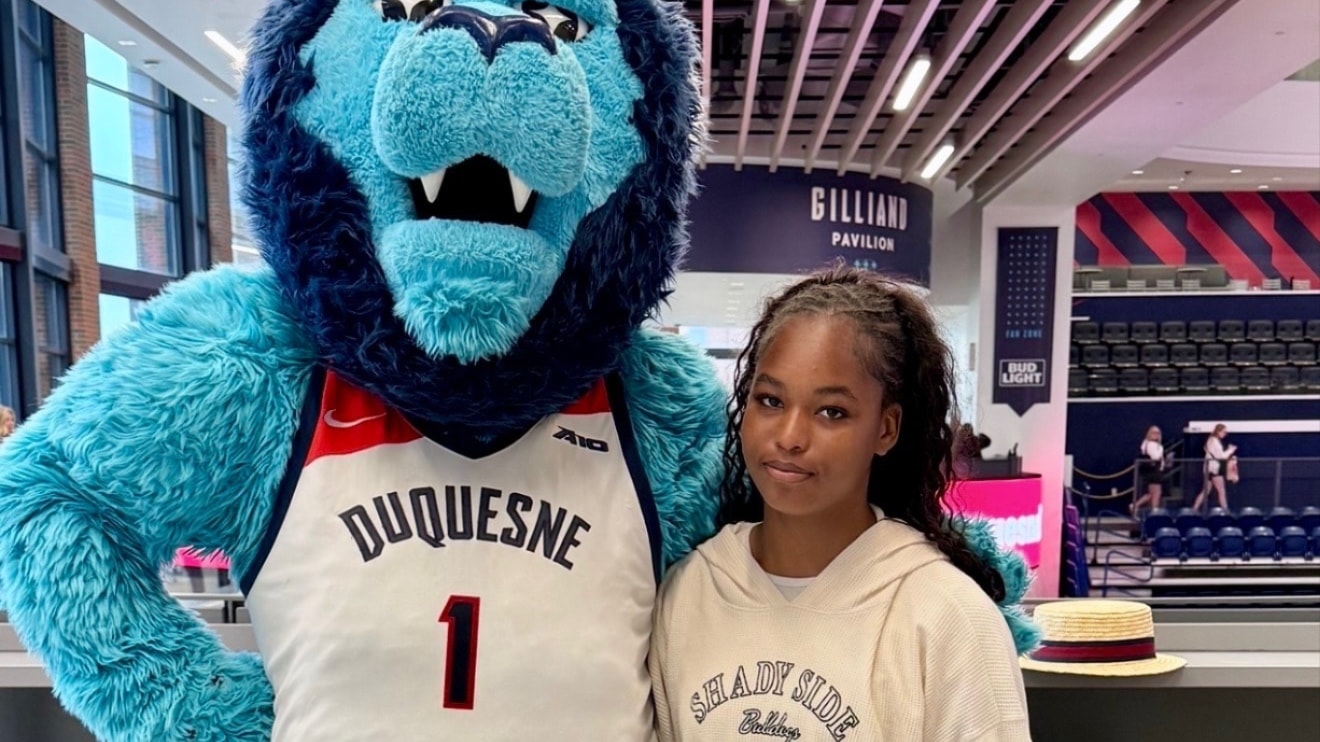
Rainier Sky Beckham with THE DUKE at Duquesne University

Rainier Sky Beckham with THE DUKE — Duquesne University

At a Glance
AuthorRainier Sky Beckham
SchoolShady Side Academy
University VisitedDuquesne University
New Building$68M Rangos Health Sciences
New PresidentDr. David Dausey
Early ActionNovember 15
Regular DecisionJanuary 15
Youth Leaders in Action·Restorative Leadership·Pittsburgh, PA
Youth Leaders in Action
Restorative Leadership

Empowering Pittsburgh Youth: Restorative Leadership

In a time when communities across the country are searching for real solutions to youth violence, one approach is rising with purpose and promise — restorative leadership. Through an intensive six-day training designed for youth ages 14–18, the Restorative Leadership Institute is equipping young people with the tools, mindset, and confidence to become change agents in their schools and communities. This is more than a program — it’s a movement grounded in healing, accountability, and empowerment.

At its core, the training centers around a powerful idea: young people are not just part of the problem — they are the solution.

Building Leaders From Within

The “Lead. Create Change.” model challenges teens to rethink what leadership looks like. It’s not about titles or popularity — it’s about influence, responsibility, and action. Participants are introduced to core leadership skills that include communication, conflict resolution, and emotional intelligence. They learn how to listen with intention, speak with purpose, and engage in difficult conversations — skills that are often missing in environments where conflict escalates quickly. But what sets this program apart is its emphasis on restorative justice.

Teaching Peace in a World of Conflict

Rather than relying on punishment-based systems, restorative practices focus on accountability, understanding harm, and repairing relationships. For many teens, this is a transformative shift. Through guided discussions and real-life scenarios, students learn how to mediate peer conflicts, de-escalate tense situations, and address issues like bullying, school violence, and community tension before they spiral.

Violence prevention coordinators involved in the training emphasize that the root causes of youth violence often stem from unresolved trauma, lack of communication skills, and environments where young people feel unheard. This program directly addresses those gaps. By giving teens practical tools — how to pause, assess, and respond rather than react — the training empowers them to interrupt cycles of harm.

More Than a Workshop — A Lifelong Impact

By the end of the program, participants walk away with more than knowledge — they leave with a sense of purpose. They begin to see themselves as leaders capable of influencing their peers and shaping the culture of their schools. Many go on to take active roles in peer mediation, student leadership initiatives, and community-based efforts aimed at reducing conflict and building unity.

Organizers remain connected with participants, offering continued mentorship and support to ensure that the lessons learned translate into real-world action.

“Young people are not just part of the problem — they are the solution. Lead. Create Change.”

A Call to the Community

Programs like this don’t exist in isolation — they require support from schools, families, and community organizations willing to invest in prevention rather than reaction. Because when young people are given the tools to lead, to resolve conflict, and to uplift one another, entire communities benefit.

Source: Pittsburgh Urban Media · Next Gen · Shady Side Academy students Rainier Sky Beckham & Mela Tabb participate in RLI.

Restorative Leadership Institute — youth empowerment training Pittsburgh

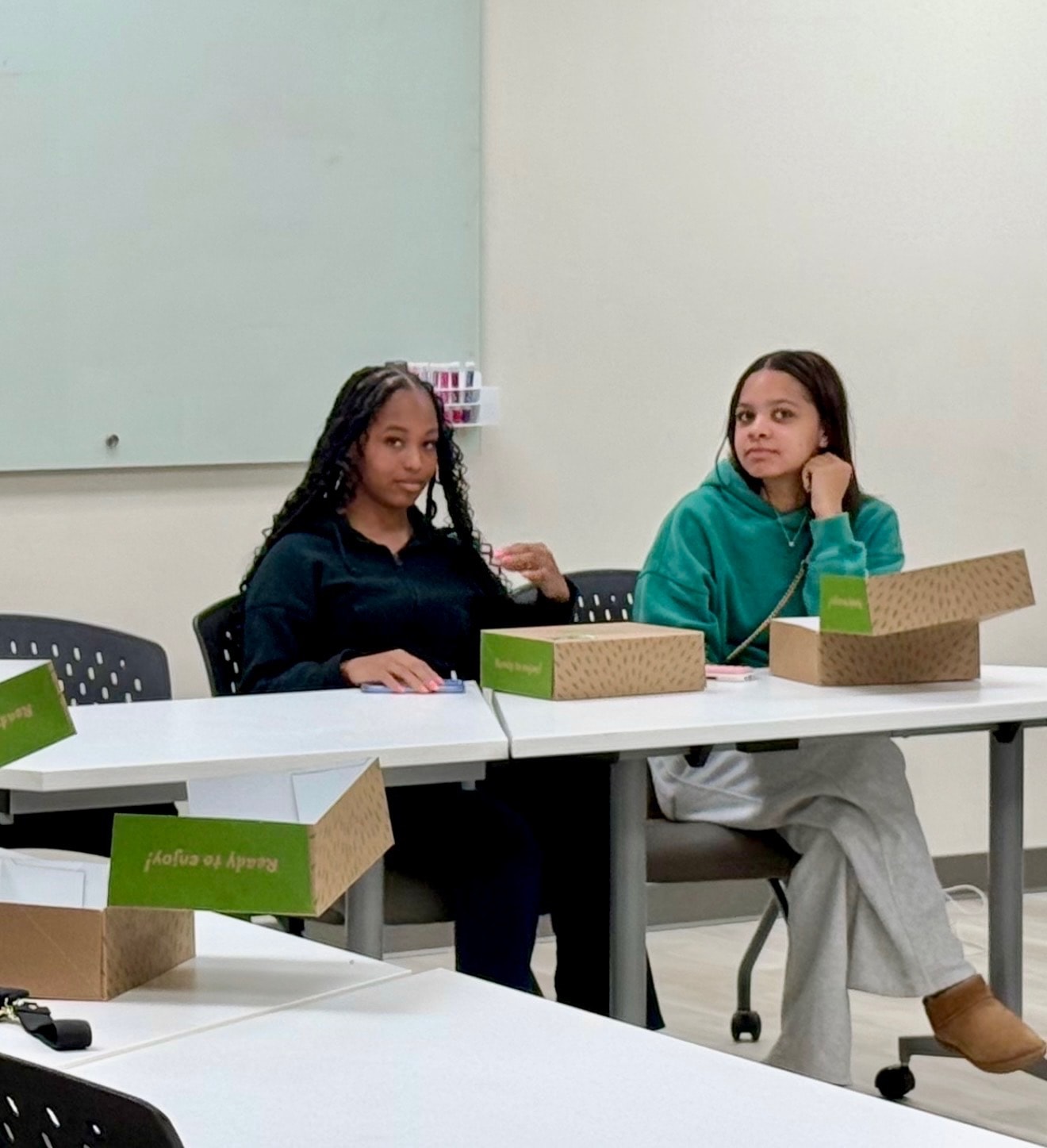
Shady Side Academy students Rainier Sky Beckham & Mela Tabb participate in RLI

At a Glance
ProgramRestorative Leadership Institute
Ages14–18
Duration6-Day Intensive
FocusConflict Resolution & Leadership
ModelLead. Create Change.
ImpactPeer Mediation & Community Action
Pittsburgh Curfew Law·Public Safety·Pittsburgh, PA
Public Safety · Youth Policy
Parent and teen looking at phone — Pittsburgh youth curfew awareness

Pittsburgh’s youth curfew ordinance has been in place since 1995 — but enforcement remains inconsistent

Curfew Hours
School Year (Sun–Thu)10 p.m. – 6 a.m.
School Year (Fri–Sat)Midnight – 6 a.m.
Summer (Sun–Thu)11 p.m. – 6 a.m.
Summer (Fri–Sat)Midnight – 6 a.m.
Max FineUp to $300
City Code§ 604.03
Pittsburgh Curfew Facts

Pittsburgh Youth Curfew Facts

Before conversations begin about how to handle large groups of teens gathering downtown late at night — especially in places like Market Square — many residents are asking a basic question: Does Pittsburgh already have a curfew law for minors? The answer is yes.

In fact, Pittsburgh has had a youth curfew ordinance in place since 1995, though many people are unaware of it because enforcement has historically been inconsistent. After watching live coverage of police shutting down activity in Market Square, where officers were seen trying to move large groups of teens, the conversation around curfew enforcement has grown louder.

What Pittsburgh’s Curfew Law Says

Under Pittsburgh City Code § 604.03, minors under the age of 17 are generally prohibited from being in public places or business establishments during late-night hours unless they are with a parent or guardian or fall under specific exceptions like work, emergencies, or school-related activities.

What Happens If the Curfew Is Violated?

Technically, violations can lead to fines of up to $300, citations for both minors and parents, and potential detention or temporary custody by police until a parent or guardian is contacted. However, in practice, enforcement is often far less aggressive. Most often, officers attempt to disperse groups first, identify repeat issues, and contact parents when necessary.

Why Enforcement Has Become a Bigger Issue

Following multiple youth disturbances downtown — including a March 2026 brawl involving nearly 40 juveniles in Market Square — city leaders are under growing pressure from residents, businesses, and visitors to restore order and improve safety.

What Should Be Done?

Many community leaders argue that curfew should be enforced — but paired with real alternatives. That means summer jobs, recreation centers, youth programs, mentorship, violence interrupters, safe gathering spaces, transportation access, and mental health support. Because asking teens to leave somewhere means little if they have nowhere safe to go.

Public Safety vs. Public Trust

Many families worry that over-policing young people — especially Black teens — can create long-term harm if not handled carefully. That is why city leaders have increasingly focused on a “proactive engagement” model that includes nonprofits like AIM (Achieve, Inspire, Motivate) and youth spaces like Auberle’s 412 Youth Zone.

“Curfew alone cannot solve what is often a deeper issue: lack of opportunity, supervision, and safe places for youth to belong.”

Source: Pittsburgh Urban Media · Next Gen · Pittsburgh City Code § 604.03

Pittsburgh Community Voices·ULYP Pittsburgh·Urban League Young Professionals
Community Voices · Leadership
Youth Leadership Spotlight

Celebrating ULYP Pittsburgh Leaders

We proudly celebrate President Julian McClain for his impactful leadership and dedicated service to the Urban League Young Professionals of Greater Pittsburgh (ULYP PGH). During his tenure, Julian helped strengthen ULYP’s foundation by improving board structure, increasing member engagement, and expanding programming rooted in joy, service, and excellence. His leadership elevated ULYP’s visibility across the city and deepened its connection to the Urban League of Greater Pittsburgh and community partners.

Julian’s commitment to community extends far beyond ULYP PGH. He has served as the Community Service Chair for 12 years, shaping a legacy of service long before his presidency. He also contributes to neighborhood development as a member of the Bloomfield Development Corporation Board, helping guide equitable growth and community-centered initiatives. Through his nonprofit endeavor, Color Me Urban, Julian continues to empower Black entrepreneurs by expanding access, visibility, and opportunity across Pittsburgh.

Julian has also been recognized as a 2025 Bright Young Person and appointed to two Mayor’s Commissions, where he continues to amplify Black disenfranchised voices and advance equity throughout the city.

As he transitions from his leadership role, we are excited that Julian will continue to support ULYP PGH by serving as an Advisor and representing Pittsburgh on the National Urban League Young Professionals (NULYP) National Membership Committee.

“Thank you, Julian, for your continued commitment, leadership, and lasting legacy.”

Learn More About ULYP Pittsburgh →

Source: Pittsburgh Urban Media · Community · Urban League Young Professionals of Greater Pittsburgh

ULYP Pittsburgh — Julian McClain leadership recognition

Urban League Young Professionals of Greater Pittsburgh — celebrating community leadership

Julian McClain
RoleULYP PGH President
Service Chair12 Years
Recognition2025 Bright Young Person
NonprofitColor Me Urban
BoardsBloomfield Dev. Corp.
Next RoleNULYP National Committee
STEM Education·Pitt Gene Team·University of Pittsburgh
STEM · Shady Side Academy
Pitt Gene Team — high school students in biology research lab

Pitt's Summer Gene Team

Gene Team Facts
Founded2006
Duration4-Week Summer Program
Students Selected15 (Competitive)
AccreditationMSA-CESS (First Cohort)
NetworkNSF STEM PUSH
FocusBiological Sciences Research
Shady Side Student Joins Pitt STEM Program

Pitt’s Gene Team Boosts BioScience Equity

The University of Pittsburgh’s Bio Outreach Gene Team is a 4-week summer program that immerses students in an authentic biological research project from one of the research labs in the Department of Biological Sciences. Students work as a team to advance the research while honing their biology and critical thinking skills.

Shady Side Academy freshman Rainier Sky Beckham is excited about the opportunity to participate in the program where she can deepen her interest in science. The Gene Team aims to engage students in current research in Biological Sciences and provide college preparatory mentoring. The program’s goal is also to increase participation in biological research from groups that are historically underrepresented in science, technology, engineering, and math.

15 students from Pittsburgh area schools were selected for this highly competitive summer program. “I am looking forward to participating in this program where I can get hands-on experience and learn more about Biology while participating in labs and research,” Beckham said.

A First-of-Its-Kind Accreditation

The Gene Team has been accredited by the Middle States Association for broadening participation in STEM. This is a ground-breaking step towards elevating the critical learning and skills development provided by Gene Team through increased visibility and value in the higher education admissions process, promoting greater equity in college admissions.

Gene Team is one of the first pre-college STEM programs (PCSPs) in the U.S. to earn accreditation for its progress in broadening opportunity for Black, Latina/o/e and Indigenous students in STEM. The program earned the certification for its documented success in providing meaningful out-of-school programming that preliminary data show increases participation in STEM for under-represented students.

Q&A: Supporting STEM for Pittsburgh’s Youth

PUM caught up with Rebecca Gonda, Ph.D., Teaching Associate Professor and Director of Outreach, Department of Biological Sciences at the University of Pittsburgh, to learn more about the Gene Team program.

What is the day like for a Gene Team participant? Gene Team students are immersed in the world of science in a very authentic way. Nearly every day, they are engaged in hands-on experiences to set up experiments and/or collect their data. They also meticulously record the work they do in lab notebooks. Gene Team also provides college prep so on any given day they could be participating in a workshop to help teach them skills like creating online STEM portfolios and resumes/CVs or to help them navigate the Common App.

How is this program helping minority students get engaged in biological sciences? Studies have shown that a critical factor in success in STEM is a student’s STEM identity. Role models, a sense of belonging, and authentic STEM experiences all build that STEM identity. Through Gene Team, students are building relationships and fostering a STEM community, and we believe that students are more likely to pursue and persist in STEM as a result.

“Watching the students pick up on complex concepts like CRISPR and RNAi in just a few days is awe-inspiring. These kids, our future, are ready.” — Rebecca Gonda, Ph.D.

Learn More About Pitt’s Gene Team Program →

Source: Pittsburgh Urban Media · Pittwire · University of Pittsburgh Department of Biological Sciences

Teens’ Summer in Pittsburgh·Summer Guide 2026·Allegheny County
Summer Guide · Youth Programs
Summer Options for Pittsburgh Teens

Summer Options for Pittsburgh Teens

As conversations continue across Pittsburgh about teenagers gathering Downtown during the summer months, community leaders, parents, and youth organizations are also highlighting something else: the city offers a wide range of productive, creative, and exciting opportunities for teens throughout the region.

Paid Jobs and Career Opportunities

  • Learn & Earn Youth Employment Program — paid summer work for youth ages 14–23, career exploration, and corporate internships.
  • Pittsburgh Parks Conservancy Young Naturalists — conservation projects, ecology, forestry, and botany.
  • Carnegie Library of Pittsburgh — 8-week paid internship for teens ages 16–19 with mentorship and transit support.
  • Carnegie Museums Museum Studies Apprenticeship — for students interested in museums and history.

Creative Arts, Film, Music & Culture

  • August Wilson African American Cultural Center — hip-hop and DJ camps.
  • The Andy Warhol Museum — Youth Arts Council with stipends for participation.
  • WQED Film Academy — digital media production and filmmaking techniques.
  • Pittsburgh Musical Theater Conservatory — acting, voice, and dance training.
  • Luminari Camp Delicious — summer cooking experience led by local chefs.

Outdoor Adventures Across the City

  • Steel City Rowing Club — rowing, kayaking, and canoeing for youth ages 8–18.
  • ASCEND Climbing — bouldering, top-rope climbing, and yoga.
  • Frick Environmental Center — nature camps and environmental programs.
  • Venture Outdoors — kayaking and outdoor recreation.
  • Golden Triangle Bike Rental — explore Pittsburgh’s trail systems.

Science, Technology & Hands-On Learning

  • Carnegie Science Center — interactive STEM exhibits and science programming.
  • Pittsburgh Glass Center SiO2 Teen Boot Camp — glassblowing for grades 6–12.
  • Point Park University — summer intensives in sports business, forensic science, and fantasy world-building.

Entertainment & Summer Fun

  • Kennywood — roller coasters and summer entertainment.
  • Sandcastle Water Park — cool escape during hot weather.
  • Three Rivers Karting Entertainment Park — high-speed racing and games.
  • Kayak Pittsburgh / Gateway Clipper Fleet — water activities and sightseeing.

Volunteer Opportunities

Volunteer opportunities are available through UPMC Children’s Hospital of Pittsburgh, the YMCA of Greater Pittsburgh, and the Jubilee Soup Kitchen in the Lower Hill District. Teens can also assist younger children through summer camp volunteer programs at the Carnegie Museums.

“From arts and internships to science, sports, and service opportunities, Pittsburgh offers teenagers a summer filled with pathways to explore careers, creativity, leadership, and community.”

Source: Pittsburgh Urban Media · Next Gen · Summer 2026

Pittsburgh teens summer activities and programs

Pittsburgh’s summer landscape gives teenagers numerous ways to stay active, learn new skills, and build connections

Quick Links
EmploymentLearn & Earn Program
ArtsAugust Wilson Center
STEMCarnegie Science Center
OutdoorsVenture Outdoors
VolunteerYMCA of Greater Pittsburgh
FunKennywood / Sandcastle
About Gwen’s Girls·Black Girls Equity·Allegheny County
Black Girls Equity · Youth Empowerment
Gwen's Girls — empowering Black girls in Pittsburgh

Gwen’s Girls has served over 6,000 girls and young women across Allegheny County-Gwen’s Girls CEO Dr. Kathi Elliott

Gwen’s Girls
Founded20+ Years Ago
Girls Served6,000+
CEODr. Kathi Elliott
FocusBlack Girls Equity
ProgramsBGALA, S.T.A.R.S., See the Best
Websitegwensgirls.org
Q&A with Dr. Kathi Elliott, CEO

Q&A with Gwen’s Girls CEO Dr. Kathi Elliott

The mission of Gwen’s Girls is to empower girls and young women to have productive lives through holistic, gender-specific programs, education, and experiences. It is reported that 42% of girls in the United States now live in low-income families, and 1 in 5 below the poverty line. Growing up in a low-income home increases a girl’s likelihood to encounter physical, emotional, and behavioral hurdles.

PUM catches up with Dr. Kathi Elliott, CEO of Gwen’s Girls, to learn more about the various solutions the organization is offering, including holistic, gender-specific programs, education, and experiences for Allegheny County’s at-risk children and young adults.

PUM: Tell us more about Gwen’s Girls and its mission.

Dr. Kathi Elliott: For over 20 years, Gwen’s Girls has provided educational opportunities, emotional support, and enrichment experiences that have improved the quality of life for at-risk girls in the Pittsburgh region. Our prevention and intervention programs have helped over 6,000 girls and young women transform their lives and achieve economic self-sufficiency.

PUM: How is your organization addressing systemic racial biases for Black girls?

Dr. Kathi Elliott: Gwen’s Girls, in partnership with the Black Girls Equity Alliance (BGEA) and the Gwendolyn J. Elliott Institute (GJEI), have been at the forefront of advancing systemic change around issues that affect Black youth — particularly Black girls. In Pittsburgh, where Black girls are 10 times more likely than their white peers to be referred to the juvenile justice system, Gwen’s Girls has created programming and community outreach that supports the unique needs of Black girls while providing the expertise to affect policy and create systems-wide change.

Specialized Programs

  • BGALA (Black Girls Advocacy Leadership Alliance) — For high school girls ages 14–18. Teaches advocacy against adultification, colorism, and social injustices. Empowers girls to love the skin they’re in and be leaders in their schools and communities.
  • S.T.A.R.S. (Striving to Achieve Resilience & Success) — A 12–15-week strength-based mentoring program for court-involved and at-risk youth. Pairs youth with mentors to create “pathway plans” toward self-improvement and empowerment.
  • See the Best In Me — Prevention and intervention strategy focused on populations vulnerable to sex trafficking in urban and rural communities, with a focus on Allegheny County.
  • Caring Connections — With the help of United Way 2-1-1, a centralized call center providing assessment, intake, and community-based referral for youth ages 10–21.

PUM: How is your organization living up to the legacy of your late founder?

Dr. Kathi Elliott: The inspiration for Gwen’s Girls came from my mother, Commander Gwen Elliott — a true trailblazer. I believe that my mother would be proud of the work we’re doing, and will continue to do, to make the world a better place for Black girls and young women.

“We know that our girls have limitless potential, but so many face obstacles that threaten to stand in their way. We believe that, when given the opportunity, any girl can succeed.” — Dr. Kathi Elliott

Get Involved at gwensgirls.org →

Source: Pittsburgh Urban Media · Community · gwensgirls.org

Girls’ Flag Football·PIAA Sanctioned Sport·Pittsburgh Steelers & Eagles
Sports · Girls Athletics · Pennsylvania
PIAA Votes to Sanction Girls’ Flag Football in PA

Girls’ Flag Football Now Pennsylvania Official

The Pittsburgh Steelers and Philadelphia Eagles have been working in tandem over the last three years to grow the game of girls’ flag football in Pennsylvania through education, engagement, distribution of equipment, and resources. And the Pennsylvania Interscholastic Athletic Association (PIAA) has officially designated girls’ flag football to be a state sanctioned sport beginning in the 2025–26 school year!

Girls’ flag football popularity has increased exponentially over the last few years, especially in the Steelers’ backyard of western Pennsylvania. What started as a league of six teams in year one has grown to now include 36 high schools, along with the Steelers hosting a girls’ flag coaching clinic and college showcase.

“We are excited to see such a groundbreaking moment for the future of girls’ flag football. It has been great working with the Eagles to accomplish a successful ruling that will now give young girls the chance to compete at a state level.” — Art Rooney II, Steelers President

The PIAA sanction means that girls across Pennsylvania now have the opportunity to compete at a state championship level, opening doors for college recruitment, scholarships, and lifelong athletic development. The collaboration between two rival NFL franchises for the benefit of young women in Pennsylvania stands as a model for how professional sports can invest in the next generation.

Source: Pittsburgh Urban Media · Sports · Pittsburgh Steelers / Philadelphia Eagles

Girls flag football Pennsylvania PIAA sanctioned sport

Girls’ flag football is now a PIAA state-sanctioned sport — 36 high schools and growing

At a Glance
StatusPIAA State Sanctioned
Start Year2025–26 School Year
Schools36 High Schools
PartnersSteelers & Eagles
MilestoneFirst State Championship
GrowthFrom 6 to 36 Teams

© 2026 Pittsburgh Urban Media. All Rights Reserved.