
When Black Students Took Over the Cathedral: The 1969 Action That Changed Pitt
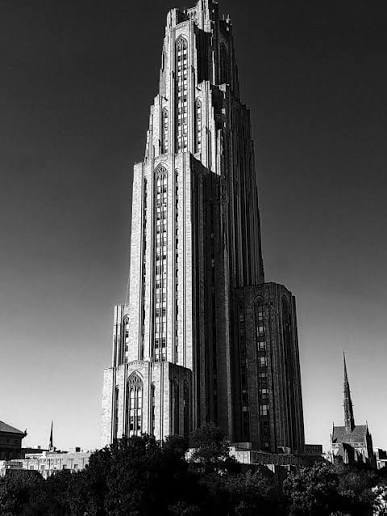
Before the African Heritage Classroom became part of the University of Pittsburgh’s Cathedral of Learning, Black students had already made history inside its walls.
On January 15, 1969, nearly 50 students from Pitt’s Black Action Society entered the Cathedral’s eighth-floor Computer Center and staged a nonviolent takeover.
The date was intentional.
It was the birthday Dr. Martin Luther King Jr. would have celebrated had he lived. King had been assassinated just nine months earlier, and his death had helped spark the formation of Pitt’s Black Action Society.
For the students, occupying the Computer Center was a direct demand that Pitt address racial inequality on its campus.
And they were not asking for just one change.
They wanted a Black Studies department. They wanted more Black students and faculty recruited to Pitt. They wanted greater access to financial aid and African American literature and resources. They wanted to see Black history and culture recognized as part of the university’s academic life.
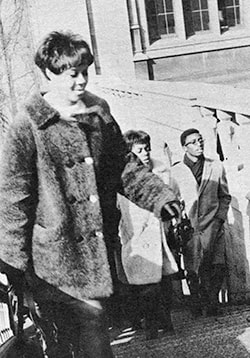
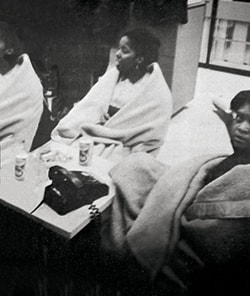
Left: Students march on the Cathedral of Learning, January 15, 1969. Right: BAS members during the overnight sit-in.
Why the Computer Center?
The eighth-floor Computer Center was not an ordinary classroom. It was a central repository for the University’s financial, academic and student records. Taking over the center meant the administration could not simply continue business as usual.
The students had made their point: Pitt’s Black students were demanding to be part of the institution’s future—and they were prepared to take a risk to make that happen.
The action followed months of organizing and pressure from the Black Action Society. Pitt’s own historical account describes the students as pressing the University to recruit more Black students, faculty and staff and establish a Black Studies program, among other changes.
A Pittsburgh Movement, Not Just a Campus Protest
This is where the story becomes particularly important to Pittsburgh.
The Black Action Society’s struggle was closely connected to the city’s Black community. Former BAS members have described a time when the distinction between the Black community on campus and the Black community throughout Pittsburgh was difficult to separate. At BAS meetings, community members participated alongside students.
As former BAS member Marvin Greer later explained, the community struggle and the student struggle were essentially one struggle.
The connections were visible in the lives of the students themselves. Joyce Ford Kareem, who participated in the movement and grew up in Pittsburgh’s Hill District and Homewood neighborhoods, recalled recognizing that something was missing when she arrived at Pitt: Black students were often isolated in their classrooms and Black history was largely absent from the curriculum.
That was the environment behind the takeover.
Through the Night
The students remained inside the Computer Center as negotiations continued with Pitt administrators. The takeover ended peacefully in the early morning hours of January 16.
According to Pitt’s historical account, Chancellor Wesley Posvar agreed to the students’ demands for a University Black Studies department, increased recruitment of Black faculty and students and other changes. The participants were not disciplined.
The students had taken a major risk. They could have faced suspension, loss of scholarships or even arrest. Instead, their action became one of the defining moments in Pitt’s history of Black student activism.
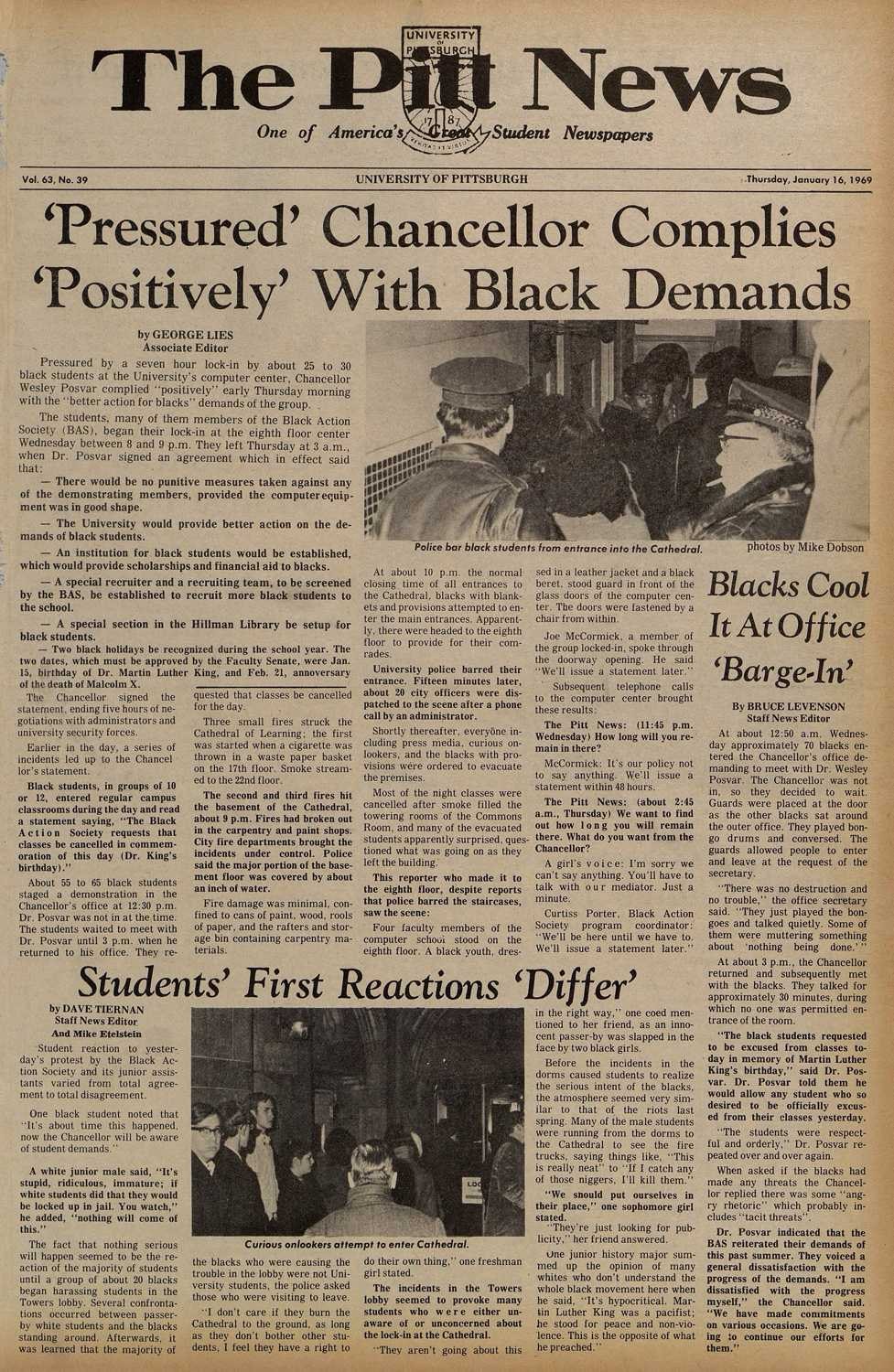
The Pitt News, January 16, 1969: “Pressured Chancellor Complies ‘Positively’ With Black Demands”
What Changed Afterward?
The impact did not end when the students walked out of the Computer Center. Pitt’s own history connects the action to significant changes at the University, including the development of Black Studies, increased recruitment of Black students and faculty, and a broader recognition of the Black experience at Pitt.
What began as Black Studies eventually became Africana Studies. And the people who helped build that movement went on to become educators, administrators, community leaders and professionals whose work extended far beyond Pitt.
The University itself has described the 1969 action as a pivotal moment that helped lead to research and recruitment initiatives, programming connected to African American neighborhoods and what eventually became the Department of Africana Studies.
The People Behind the Moment
One of those organizers was Curtiss E. Porter, who became a central strategist in the Computer Center Takeover. Porter had grown up in Braddock, where his parents had migrated from the South seeking opportunity and escape from Jim Crow segregation. At Pitt, he remembered being one of very few Black students. He and other Black students found themselves navigating a campus where Black history and culture were largely absent and Black faculty mentors were scarce.
Other participants included Joseph McCormick II, Wajihah Abdullah, Renee Smith Clark and Joyce Ford Kareem, among others. They were college students. But they were also part of a larger Pittsburgh story.
“The community struggle and the student struggle were essentially one struggle.”
— Marvin Greer, former Black Action Society memberFrom Protest to Presence
This is why the 1969 Computer Center Takeover matters as Pitt celebrates the Cathedral of Learning’s 100th anniversary. The Cathedral was not merely the backdrop. It was the place where Black students demanded that Pitt change.
And more than a decade later, another chapter of Black Pittsburgh history would take shape inside that same building. Beginning in 1972, Black community leaders organized a campaign to create what became the African Heritage Classroom. For roughly 15 years, they raised money, gathered artifacts and worked with scholars, artists and architects to create a permanent representation of African heritage inside the Cathedral. That classroom was dedicated in 1989.
The connection is not that the 1969 students directly created the African Heritage Classroom. They did not. The connection is that both stories reveal a changing relationship between Pitt and Pittsburgh’s Black community. One demanded that Black students have a greater place within the institution. The other created a permanent cultural presence within one of its most important buildings.
As Pitt celebrates 100 years of the Cathedral of Learning, its history is often told through architecture, Nationality Rooms, classrooms and famous moments in university history.
PUM is looking at it differently. We are asking: What happened inside this landmark that changed the experience of Black Pittsburgh?
In 1969, Black students walked into the Cathedral demanding change. They walked out having helped open a new chapter at Pitt. And the story continued.
Because sometimes the history of a building isn’t just in what was constructed. It’s in who walked through its doors—and what they demanded once they got inside.