
PITTSBURGH — Long before the world’s most prestigious museums sought his sculptures and New York galleries celebrated his work, Thaddeus “Thad” Mosley was quietly creating art in Pittsburgh.
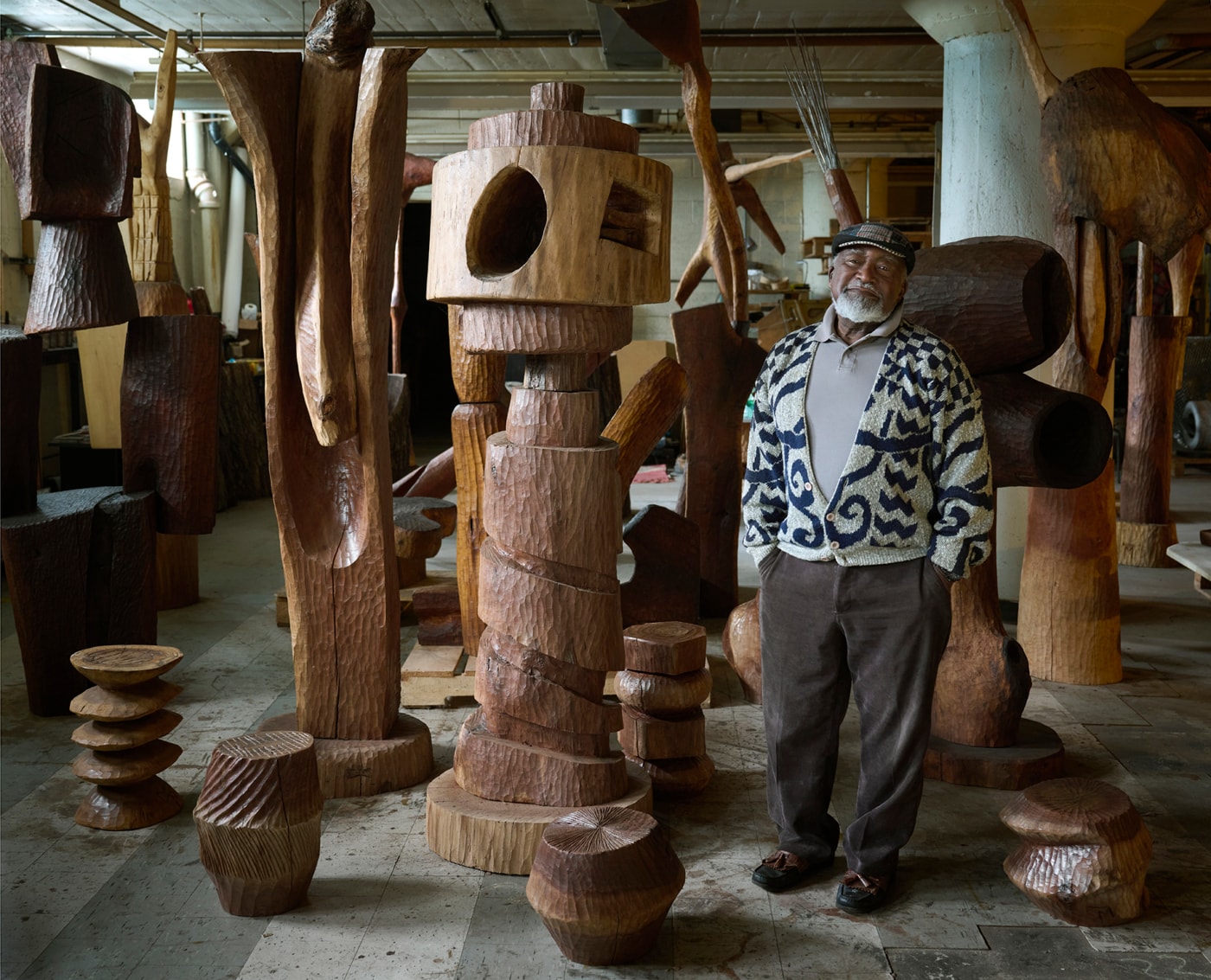
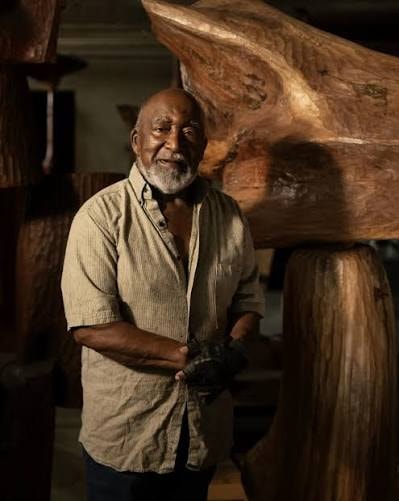
For more than seven decades, Mosley transformed massive pieces of salvaged walnut, cherry, basswood and hickory into soaring abstract sculptures that blended African traditions, modernist design, and the improvisational rhythm of jazz. Working almost entirely by hand, he became one of America’s most respected sculptors — without ever abandoning the city he called home.
Now, Pittsburgh is celebrating what would have been his 100th birthday.
Upcoming Event
TGM@100 Jazz Tribute
Friday, July 24
6:00 p.m. — Second-line jazz procession through Arts Landing
8:00 p.m. — Film screening, artist conversation & live jazz tribute
August Wilson African American Cultural Center
Admission: Free and open to the public. Advance registration encouraged.
A Life Built Between the Post Office and the Studio
Mosley’s story is one of remarkable perseverance. Born on July 23, 1926, in New Castle, Pennsylvania, he became the first man in generations of his family not to work in the coal mines. After serving in the U.S. Navy, he attended the University of Pittsburgh on the G.I. Bill, earning degrees in English and journalism.
Like many Black artists of his generation, financial stability came before artistic recognition. For four decades, Mosley worked overnight at the U.S. Postal Service, raising six children while spending nearly every daylight hour carving wood in his studio. During the 1950s, he also worked as a sports reporter and photographer for The Pittsburgh Courier, contributing to publications including Ebony and Jet.
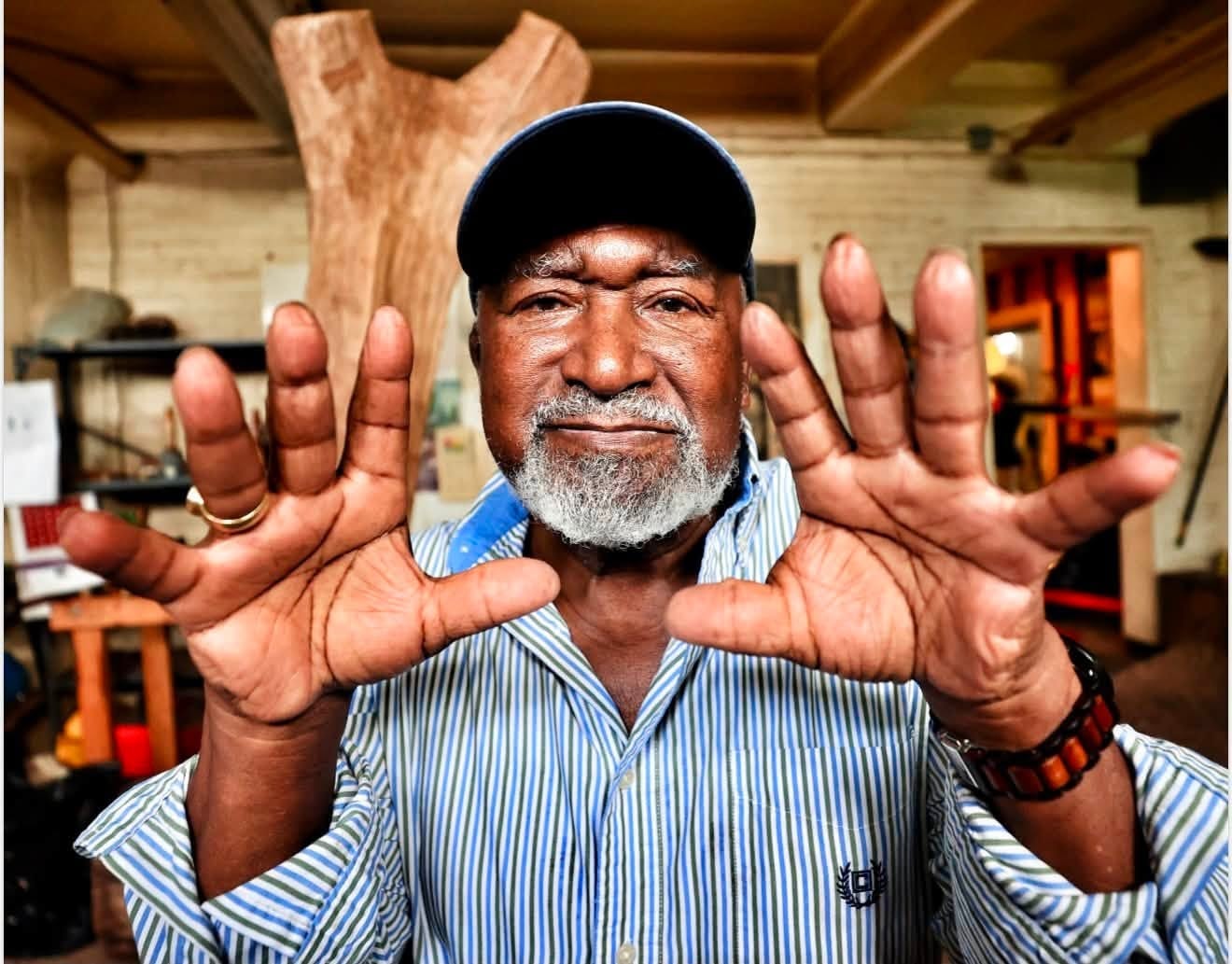
His artistic journey began almost by accident after seeing decorative wooden birds displayed in a department store. Rather than buying one, he purchased carving tools and taught himself how to sculpt. That decision would define the next seventy years of his life.
Listening to the Wood
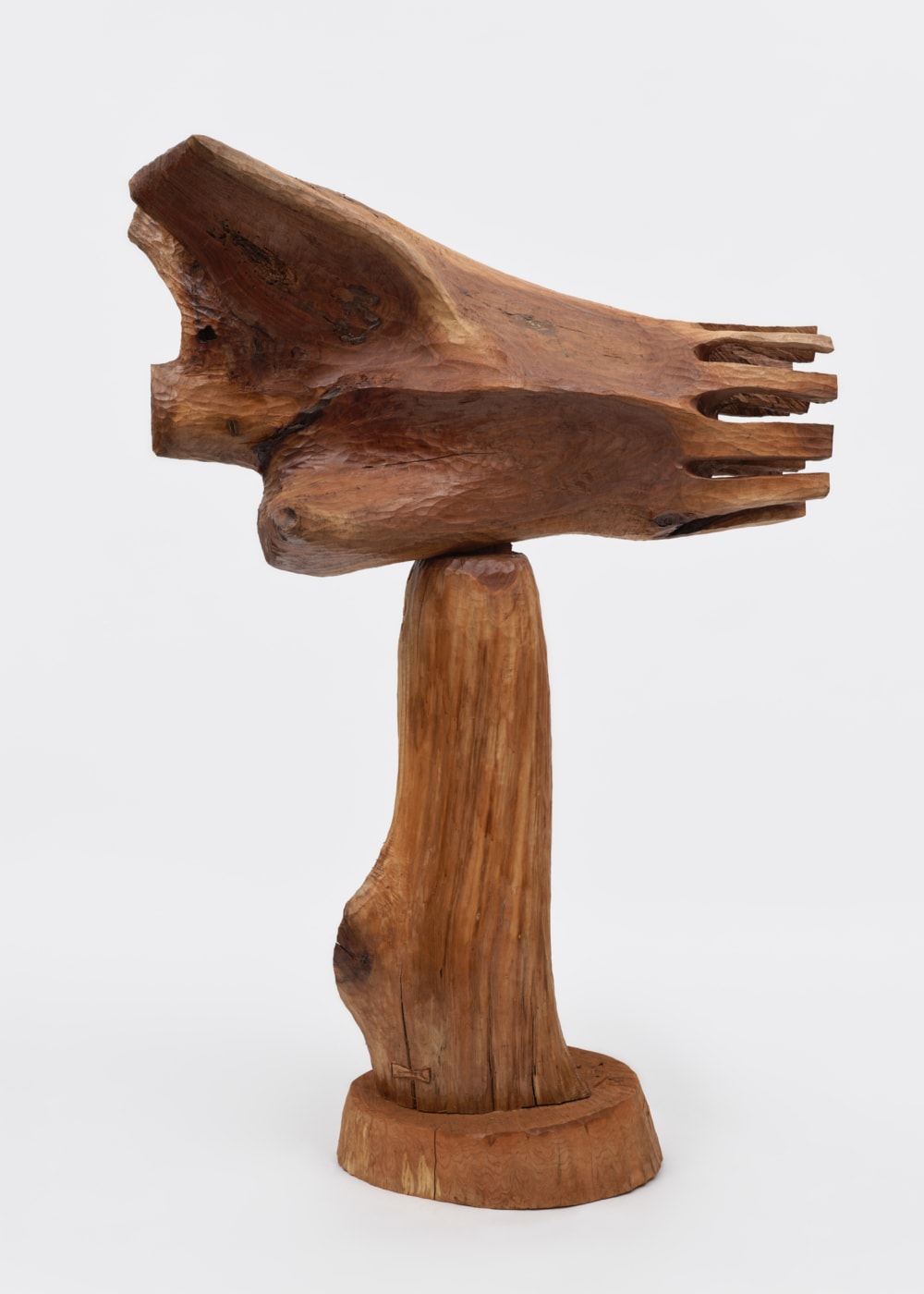
Unlike many sculptors who impose a design onto their materials, Mosley believed every tree already contained its own story. He often described his creative process as “listening to the wood.”
Working with fallen trees collected throughout Western Pennsylvania, Mosley carefully studied each trunk’s grain, curves, knots and imperfections before allowing the natural form to guide his carving. The resulting sculptures appear simultaneously ancient and modern — towering forms that evoke African masks, musical instruments, dancers, birds, and the rhythms of nature without directly depicting any single object.
“Jazz became one of his greatest artistic influences. Like a jazz musician improvising around a melody, Mosley carved intuitively — no sketches, no templates, just decades of experience and an extraordinary dialogue between artist and wood.”
National Recognition Came in His 90s
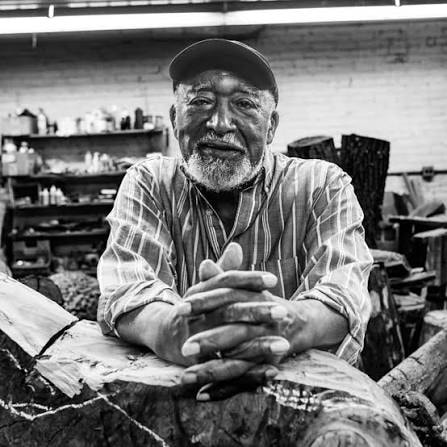
Although respected throughout Pittsburgh for decades, Mosley’s national breakthrough came remarkably late. At age 92, he became one of the featured artists in the internationally acclaimed 2018 Carnegie International, introducing his work to audiences from around the world.
The recognition changed everything. Soon afterward, his sculptures appeared at Rockefeller Center in New York, City Hall Park, and leading galleries across the country. Major museums — including the Whitney Museum of American Art, the Brooklyn Museum, the Art Institute of Chicago, and the Baltimore Museum of Art — added his work to their permanent collections.
More Than an Artist
Mosley’s influence extends beyond sculpture. His career demonstrated that artistic excellence does not depend on fame, wealth, or formal training. He proved that a Black artist from Western Pennsylvania — working largely outside the traditional art establishment — could eventually stand alongside the most celebrated sculptors in America.
Even after international recognition arrived, friends and fellow artists described him as humble, generous, and deeply committed to encouraging younger creatives. His legacy continues not only through museums and public art installations but through the generations of artists he inspired to trust their own voice.
A Pittsburgh Legacy Worth Celebrating
Few cities can claim an artist whose work has reshaped contemporary American sculpture while remaining deeply rooted in the community where it was created. For Pittsburgh, Thaddeus Mosley was more than a sculptor. He was a storyteller who used wood instead of words.
Every curve, every chisel mark, and every towering sculpture reflected a lifetime of discipline, imagination, and faith in the creative process. As Pittsburgh gathers to celebrate his centennial, the city is not simply remembering one of its greatest artists — it is honoring a man whose vision continues to inspire museums, musicians, filmmakers, and communities across the nation.
Greatness can grow from the roots beneath our own feet.