
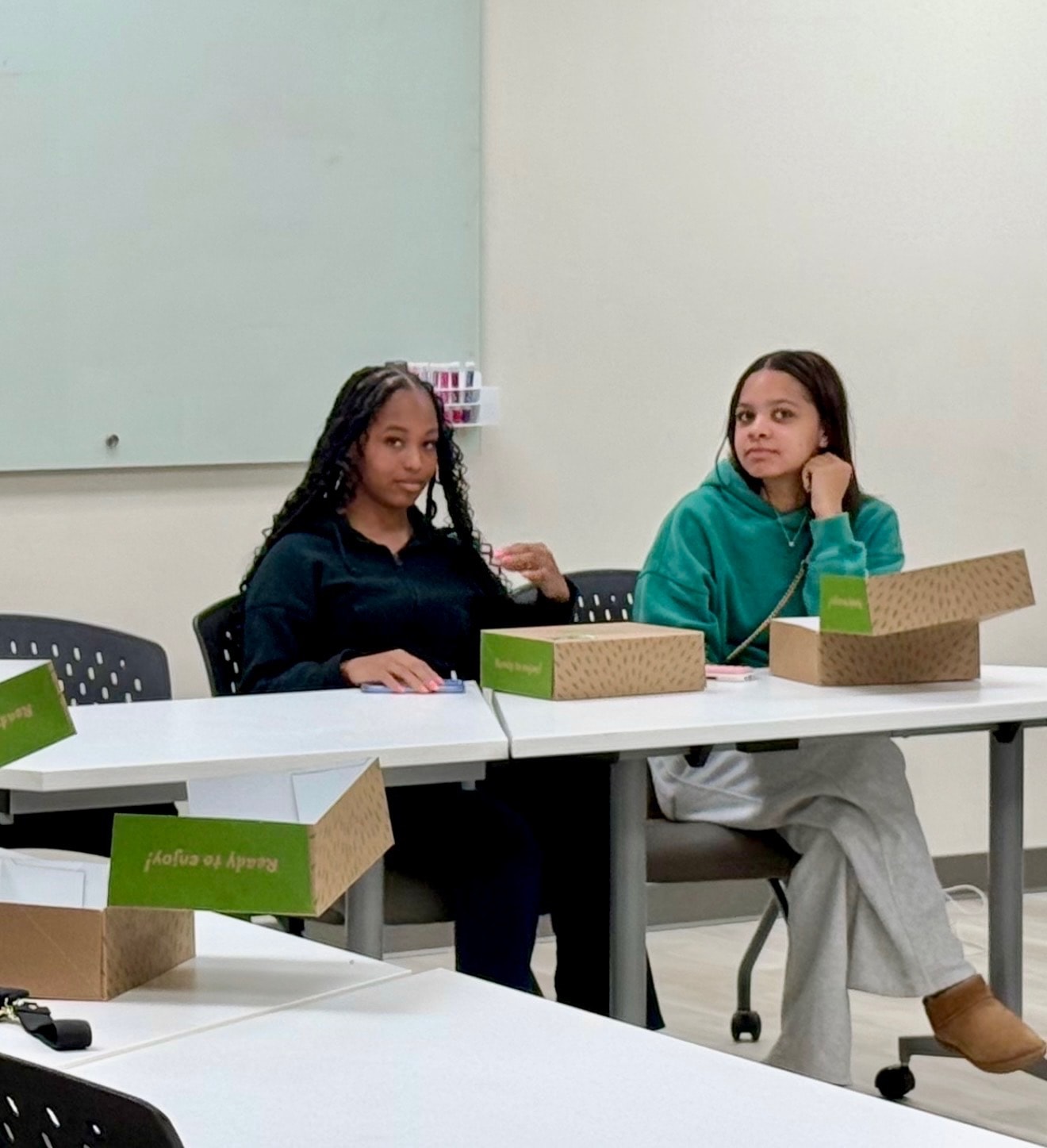
Empowering Pittsburgh Youth: Restorative Leadership
How the Restorative Leadership Institute is equipping teens ages 14–18 to become change agents in their schools and communities.
Empowering Pittsburgh Youth: Restorative Leadership
In a time when communities across the country are searching for real solutions to youth violence, one approach is rising with purpose and promise — restorative leadership. Through an intensive six-day training designed for youth ages 14–18, the Restorative Leadership Institute is equipping young people with the tools, mindset, and confidence to become change agents in their schools and communities. This is more than a program — it’s a movement grounded in healing, accountability, and empowerment.
At its core, the training centers around a powerful idea: young people are not just part of the problem — they are the solution.
Building Leaders From Within
The “Lead. Create Change.” model challenges teens to rethink what leadership looks like. It’s not about titles or popularity — it’s about influence, responsibility, and action. Participants are introduced to core leadership skills that include communication, conflict resolution, and emotional intelligence. They learn how to listen with intention, speak with purpose, and engage in difficult conversations — skills that are often missing in environments where conflict escalates quickly. But what sets this program apart is its emphasis on restorative justice.
Teaching Peace in a World of Conflict
Rather than relying on punishment-based systems, restorative practices focus on accountability, understanding harm, and repairing relationships. For many teens, this is a transformative shift. Through guided discussions and real-life scenarios, students learn how to mediate peer conflicts, de-escalate tense situations, and address issues like bullying, school violence, and community tension before they spiral.
Violence prevention coordinators involved in the training emphasize that the root causes of youth violence often stem from unresolved trauma, lack of communication skills, and environments where young people feel unheard. This program directly addresses those gaps. By giving teens practical tools — how to pause, assess, and respond rather than react — the training empowers them to interrupt cycles of harm.
More Than a Workshop — A Lifelong Impact
By the end of the program, participants walk away with more than knowledge — they leave with a sense of purpose. They begin to see themselves as leaders capable of influencing their peers and shaping the culture of their schools. Many go on to take active roles in peer mediation, student leadership initiatives, and community-based efforts aimed at reducing conflict and building unity.
Organizers remain connected with participants, offering continued mentorship and support to ensure that the lessons learned translate into real-world action.
“Young people are not just part of the problem — they are the solution. Lead. Create Change.”
A Call to the Community
Programs like this don’t exist in isolation — they require support from schools, families, and community organizations willing to invest in prevention rather than reaction. Because when young people are given the tools to lead, to resolve conflict, and to uplift one another, entire communities benefit.
Source: Pittsburgh Urban Media · Next Gen · Shady Side Academy students Rainier Sky Beckham & Mela Tabb participate in RLI.
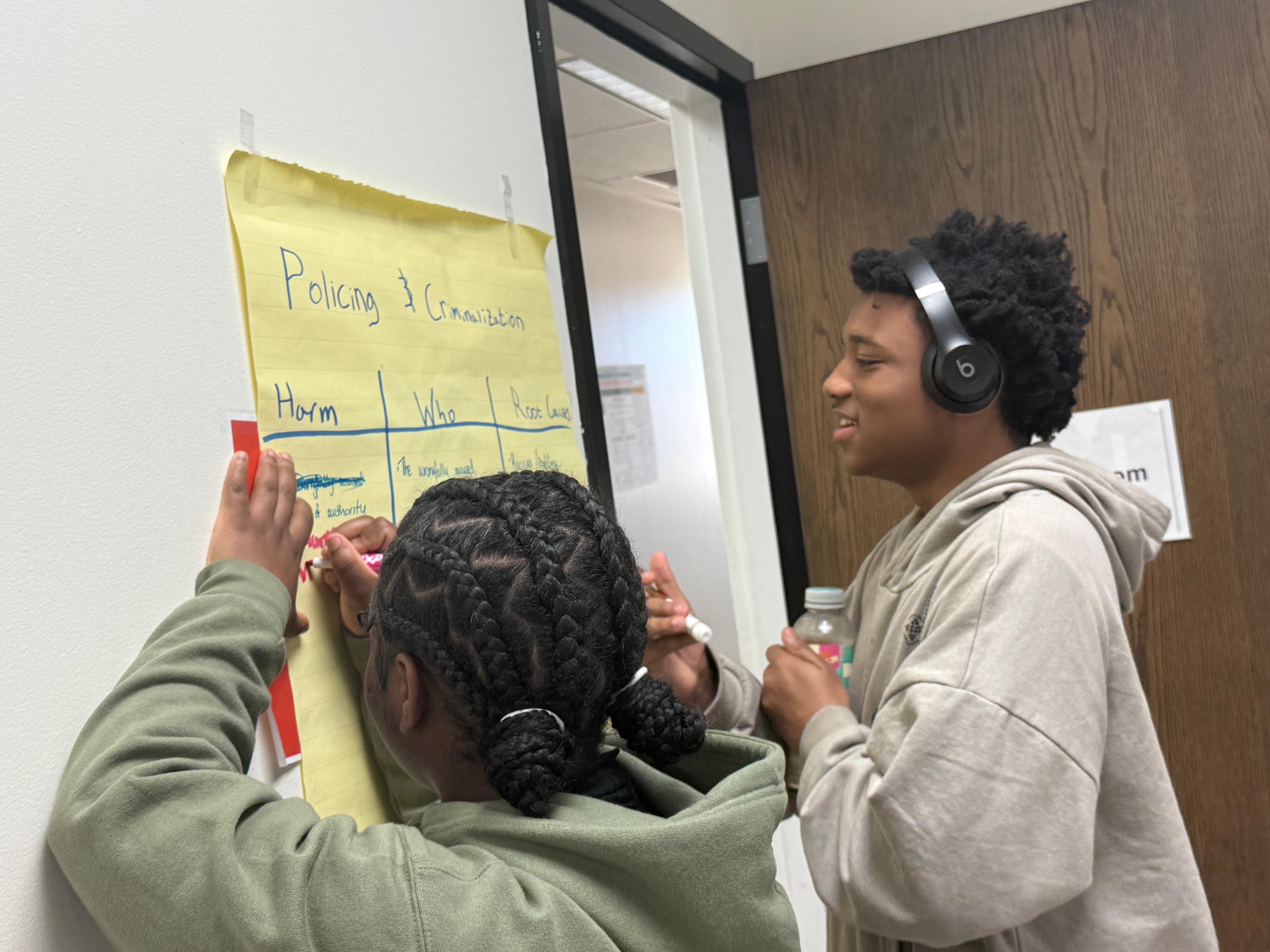
Shady Side Academy students Rainier Sky Beckham & Mela Tabb participate in RLI


More from PUM Forward
Exploring the ideas, innovations, and community voices shaping the future of Black Pittsburgh.