
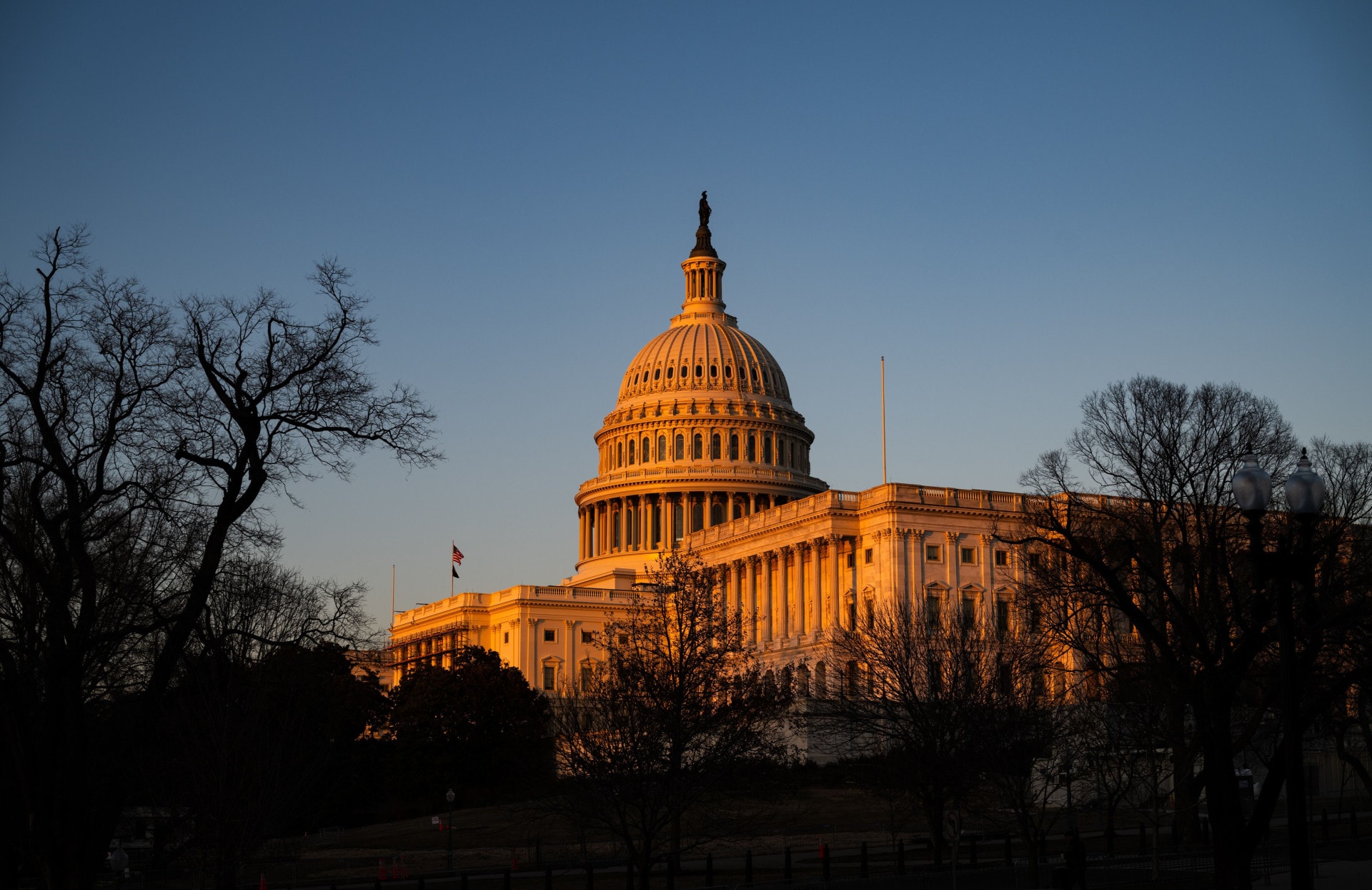
Washington is waking up to a different political reality.
In the 2026 midterm elections, Democrats won control of both chambers of Congress, flipping the Senate and reclaiming the House of Representatives. The results mark a major shift in the balance of political power during President Donald Trump's second term.
For the past two years, Republicans controlled the White House, Senate and House, giving the president a more favorable environment to advance his legislative priorities.
That arrangement has now changed.
Trump remains president. Republicans still control the executive branch. But Democrats will take control of Congress in January, giving them the power to shape legislation, oversee federal agencies, investigate the administration and decide whether presidential nominees advance through the Senate.
So what does this actually mean for Americans?
Can Trump still veto legislation? Can Democrats stop his judicial appointments? What happens to tariffs and the war with Iran? And what does the changing political landscape mean for the final two years of his presidency?
Here is a breakdown of what happened and what comes next.
THE NUMBERS: DEMOCRATS TAKE CONTROL OF CONGRESS
The most consequential result of the election is that Democrats won both chambers of Congress.
The Senate
Before the election, Republicans controlled the Senate with 53 seats, compared with 47 Democrats and independents who caucus with them.
Democrats flipped at least seven Republican-held Senate seats, including victories in:
- •Texas
- •Kansas
- •Iowa
- •Ohio
- •Maine
- •North Carolina
- •South Carolina
The new Democratic majority is projected at approximately 54 seats, including the two independents who caucus with Democrats, while some results remain subject to final counting.
The House of Representatives
Democrats also won control of the House, flipping more than two dozen Republican-held districts.
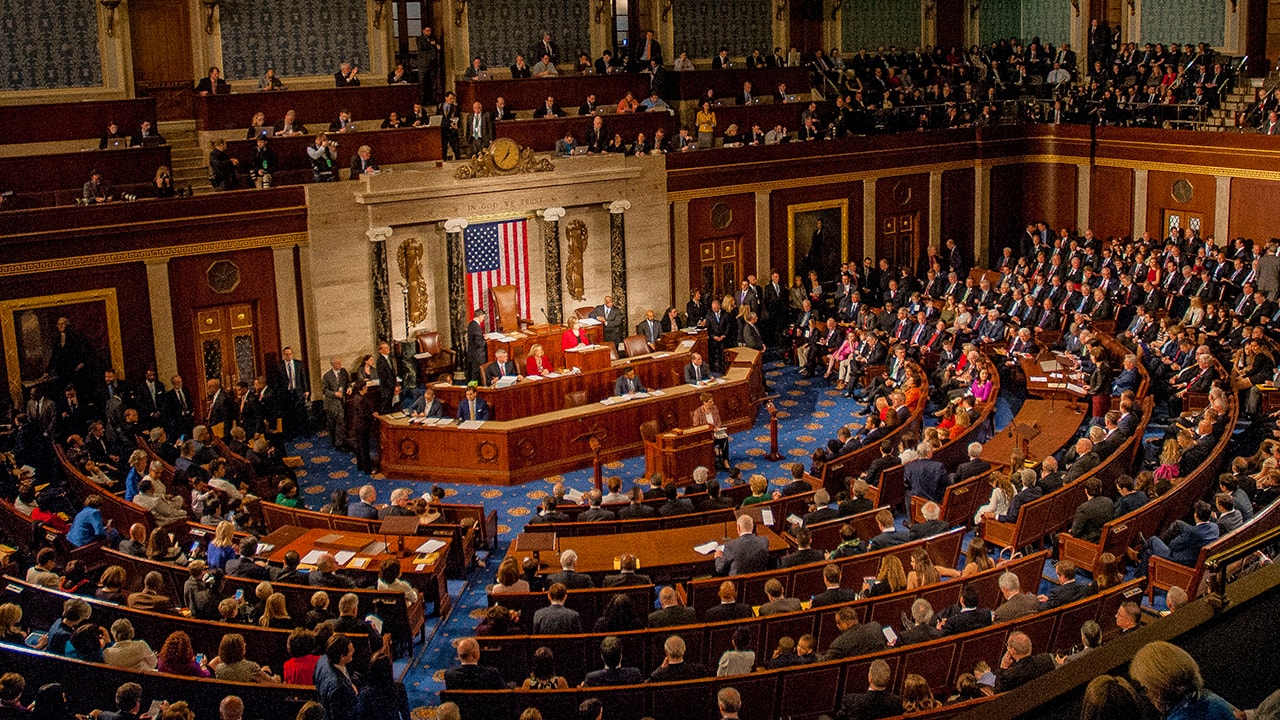
Before the election, Republicans held the House majority. Democrats needed 218 seats to take control.
The victories give Democrats the speakership, committee leadership and control over which legislation receives consideration.
The significance is bigger than the number of seats. Democrats have now gained control of both chambers after Republicans previously held the advantage in Washington.
According to the Associated Press, the Democratic victories extended into states and congressional districts that Trump carried comfortably in 2024.
This is what is being described as a blue wave.
Source: Associated Press and Ballotpedia, November 4, 2026.
1. REMEMBER MITCH McCONNELL? THE JUDICIAL APPOINTMENT BATTLE
One of the most immediate consequences of a Democratic Senate majority involves federal judges.
To understand why, we have to go back to 2016.
When President Barack Obama nominated Merrick Garland to the Supreme Court following the death of Justice Antonin Scalia, then-Senate Majority Leader Mitch McConnell refused to hold hearings or a confirmation vote.
McConnell argued that the American people should have a voice in choosing the next president before a Supreme Court vacancy was filled during an election year.
The seat remained vacant until Donald Trump became president and nominated Neil Gorsuch.
Four years later, Republicans took a different approach. They moved forward with the confirmation of Amy Coney Barrett just days before the 2020 presidential election.
That history is important now.
With Democrats taking control of the Senate, they will control the Senate Judiciary Committee and the process for considering federal judicial nominees.
What does that mean for Trump?
Beginning in January 2027, Democrats can refuse to advance his judicial nominees, decline to schedule confirmation votes and reject nominees.
That includes nominees to:
- •The U.S. Supreme Court.
- •Federal appeals courts.
- •Federal district courts.
There is an important constitutional distinction: Trump can still nominate judges. The Senate decides whether to confirm them.
A Democratic majority cannot legally prohibit him from submitting nominations, but it can withhold confirmation.
There is also a final opportunity for Republicans. They remain in control until the new Congress convenes on January 3, 2027. They could attempt to confirm additional nominees before then.
The takeaway: Trump's ability to shape the federal judiciary through new appointments will face a substantially different Senate beginning in January.
2. IS TRUMP NOW A LAME-DUCK PRESIDENT?
Not technically. Trump has two more years in his term and remains fully vested with presidential authority.
But politically, he is entering a period in which his ability to move legislation through Congress will be significantly more difficult.
A president with his party controlling both chambers generally has a more direct path to advancing an agenda.
A president facing an opposing congressional majority must negotiate, compromise or rely on executive authority where the law permits.
Trump will now face:
- •A Democratic House that can block his legislative priorities.
- •A Democratic Senate that can reject his nominees.
- •Congressional investigations into his administration.
- •More resistance to legislation and budget proposals.
- •Greater scrutiny of his executive actions and foreign policy.

The president can still issue executive orders, direct federal agencies within the limits of the law and exercise his constitutional authority.
But executive orders are not a substitute for legislation. They cannot simply erase laws passed by Congress.
The election has not ended Trump's presidency. It has changed the political environment in which he must govern.
3. CAN TRUMP VETO EVERYTHING DEMOCRATS PASS?
Yes, Trump retains the power to veto legislation that reaches his desk.
This is one of the most important things voters should understand about the new Congress.
Here is how a bill becomes law:
- •A bill is introduced in the House or Senate.
- •Both chambers must approve the same version.
- •The legislation goes to the president.
- •Trump can sign it, veto it or allow it to become law under the constitutional rules governing presidential action.
If Trump vetoes a bill, Congress can attempt to override that veto.
But there is a high threshold.
An override requires a two-thirds vote in both chambers.
That means 290 votes in a fully participating House of 435 and 67 votes in a fully participating Senate of 100.
Democrats do not have those numbers.
So what does this mean?
Democrats can pass legislation through Congress, but Trump can block it with a veto unless enough Republicans join Democrats to override him.
The reverse is also true. Trump can propose legislation, but Democrats can refuse to advance it.
This creates a political standoff in which both sides have considerable power.
4. HOW DO YOU ACTUALLY GET A BILL PASSED?
Controlling Congress does not mean every bill automatically becomes law.
The House and Senate have different procedures.
In the House: A simple majority generally passes legislation. Democrats will control the Speaker's position, committee leadership and the legislative calendar.
In the Senate: A simple majority generally passes a bill once it reaches a final vote. However, the filibuster makes the process more complicated.
For most ordinary legislation, senators need 60 votes to end debate and proceed to a final vote.
That means Democrats, even with approximately 54 seats, will need Republican support for many major legislative proposals.
There are exceptions.
Budget reconciliation allows certain budget-related legislation to pass the Senate with a simple majority, subject to strict eligibility and procedural rules.
This is why the Senate majority matters so much, but it is not unlimited power.
The bottom line: Democrats can control what comes before the Senate, but they still need votes to pass legislation. For many bills, bipartisan cooperation will be necessary.
5. WHAT HAPPENS TO TRUMP'S TARIFFS?
Tariffs are one of the biggest economic issues facing the country.
Trump has used tariffs as a central part of his trade policy, arguing that they protect American industries, pressure trading partners and address trade imbalances.
But tariffs also affect American businesses and consumers because import costs can be passed along through higher prices.
With Democrats controlling Congress, tariff policy will receive new scrutiny.
Congress has constitutional authority over tariffs and foreign commerce, although it has delegated certain tariff powers to the president through federal laws.
Democrats can introduce legislation to change those delegated powers, hold hearings on the economic impact and investigate how the administration is using existing trade authorities.
There is already an important legal development.
In February 2026, the Supreme Court ruled that the International Emergency Economic Powers Act did not authorize Trump to impose tariffs under that law.
The administration subsequently relied on other trade authorities, including Sections 122, 232 and 301.
Section 122 allows certain temporary tariffs for up to 150 days without congressional authorization for an extension.
Other tariff authorities have different requirements and procedures.
What can Democrats do?
They can attempt to restrict presidential tariff authority through legislation, investigate trade decisions and challenge policies through congressional oversight.
But Trump can veto legislation seeking to restrict his authority.
The takeaway: A Democratic Congress cannot simply eliminate every Trump tariff. However, it can make trade policy a major legislative and oversight battleground.
6. WHAT ABOUT WAR? CAN CONGRESS STOP TRUMP?
This is perhaps one of the most consequential questions facing the new Congress.
Trump remains commander in chief of the United States military.
That authority does not disappear because Democrats won the midterms.
The president has significant authority to direct military operations and conduct foreign policy.
However, the Constitution divides war powers between the president and Congress.
Congress has the authority to declare war, authorize military action, regulate the armed forces and control federal spending.
The War Powers Resolution of 1973 also establishes requirements for presidential consultation and reporting to Congress when U.S. forces are introduced into hostilities.
Congress can use these powers to challenge military decisions.
For example, Democrats could introduce legislation requiring authorization for particular military operations, restrict funding for certain activities or demand greater accountability from the administration.
But any such legislation would have to pass both chambers and survive a potential presidential veto.
The current conflict with Iran makes this issue particularly significant.
The election results suggest that foreign policy and the war were among the issues weighing on voters. Following the results, Vice President JD Vance publicly attributed the Republican losses in part to the war in Iran.
Democratic lawmakers have indicated they intend to challenge the administration's approach.
The important distinction: Trump remains commander in chief, but Congress has constitutional powers over war authorization and military funding. The new majority gives Democrats a stronger platform to exercise those powers.
7. THE INVESTIGATIONS: CONGRESS NOW HAS THE OVERSIGHT POWER
One of the biggest changes will happen inside congressional committees.
When Democrats take control, they will control committee chairmanships in both chambers.
That means they can schedule hearings, request documents, issue subpoenas under applicable congressional procedures and call administration officials to testify.
Potential areas of investigation include:
These investigations can bring information into public view and create pressure for changes in policy.
However, congressional investigations do not automatically remove officials, reverse executive orders or establish criminal wrongdoing.
Those outcomes require separate legal or constitutional processes.
The oversight power is significant because Congress is responsible for examining how federal laws and taxpayer dollars are being administered.
8. THE FINAL TWO YEARS: WHAT SHOULD AMERICANS EXPECT?
The next two years will be different from the first two years of Trump's second term.
There are several areas where the change in congressional control will matter.
The federal budget: Democrats and Republicans will have to negotiate government funding. Budget disagreements could create the risk of government shutdowns.
Healthcare: Democrats can bring healthcare legislation and funding priorities forward, but major changes will require agreement between Congress and the president.
Immigration: Expect increased oversight of federal immigration enforcement and legislative disputes over border policy.
Education: Federal education policy, funding and the administration's role in education will receive greater congressional scrutiny.
The economy: Tariffs, inflation, consumer prices, jobs and federal spending will be major points of debate.
The federal courts: The Senate's new majority will have a major influence over whether Trump's judicial nominees receive confirmation.
Foreign policy: Military spending, the Iran conflict and the president's use of military authority will be important areas of congressional attention.
The new Congress will also have to demonstrate that it can do more than oppose the president.
Democrats campaigned on issues that included affordability, economic concerns and stronger congressional oversight. Voters will expect the new majority to address those issues.
9. THE CHANGING OF THE GUARD: A HISTORIC MOMENT FOR REPRESENTATION
The election was also significant for representation in American government.
Several historic firsts emerged from the results.
- •Federal spending and government contracts.
- •Immigration enforcement.
- •The administration's tariff policies.
- •Military operations and foreign policy.
- •Federal agency decisions.
- •Presidential appointments and the use of executive power.
- •Government ethics and accountability.
Democratic House leader Hakeem Jeffries is also positioned to become the first Black Speaker of the House when the new Congress convenes, subject to a vote by House members.
These milestones represent a changing face of political leadership.
They also connect to a larger national conversation about representation, participation and who has a voice in decisions affecting American communities.
For Black Americans, the election carries particular significance as Black leaders continue to gain positions of influence in Congress, state government and national politics.
Representation matters, but so does what elected officials do with the authority voters have entrusted to them.
10. WHAT HAPPENS NEXT? THE TWO-MONTH TRANSITION
The election results do not immediately transfer control of Congress.
The current Congress remains in place through the end of the year.
The newly elected Congress convenes January 3, 2027.
That means Republicans have a final opportunity during the lame-duck session to advance legislation, address government funding and attempt to confirm additional judicial nominees.
Democrats will be preparing their leadership teams, committee assignments and legislative priorities.
The first days of the new Congress will establish the direction of the next two years.
THE BOTTOM LINE: THE PRESIDENT STILL HAS THE WHITE HOUSE. DEMOCRATS NOW HAVE CONGRESS.
The 2026 midterm elections have fundamentally changed the balance of political power in Washington.
Donald Trump remains president. He retains his veto authority, executive powers and position as commander in chief.
But he will no longer have a Republican-controlled Congress working alongside him.
Democrats will control the House and Senate, giving them the ability to block legislation, reject nominees, conduct investigations and challenge the administration's policies.
They cannot automatically reverse every Trump decision. They cannot override every presidential veto. And they cannot pass every bill without navigating Senate procedures and the constitutional requirements of the legislative process.
But they can make it much harder for the administration to move forward without congressional scrutiny.
The next two years will be about checks and balances, negotiations, political accountability and the limits of presidential power.
The midterms were not an election for president. They were an election that determined who would control the legislative branch of government during the final two years of Trump's term.
The White House remains Republican. Congress has changed hands. And Washington is entering a new era of divided government.
The question now is not simply what Democrats will stop. It is what they will be able to accomplish.
Pittsburgh Urban Media | Politics, Power & Public Policy