
PITTSBURGH — Pittsburgh Public Schools is moving forward with a major restructuring of its school system after the Board of Public Education approved a plan to close nine school buildings and make additional changes to school locations, grade configurations and programs.
The decision follows roughly three years of debate over the district’s future. The district has faced declining enrollment, underused buildings, aging facilities and growing financial pressure. PPS has capacity for about 40,000 students but currently enrolls roughly 18,000. The Board approved the Future-Ready Facilities Plan on May 27, 2026, by a 6-2-1 vote.
Which Schools Are Closing?
Nine school buildings are scheduled to close:
- Baxter — Student Achievement Center
- Friendship — Montessori
- Fulton PreK-5
- McKelvy/Miller PreK-5 in the Hill District
- Morrow Primary
- Schiller 6-8
- Spring Hill K-5
- Woolslair PreK-5
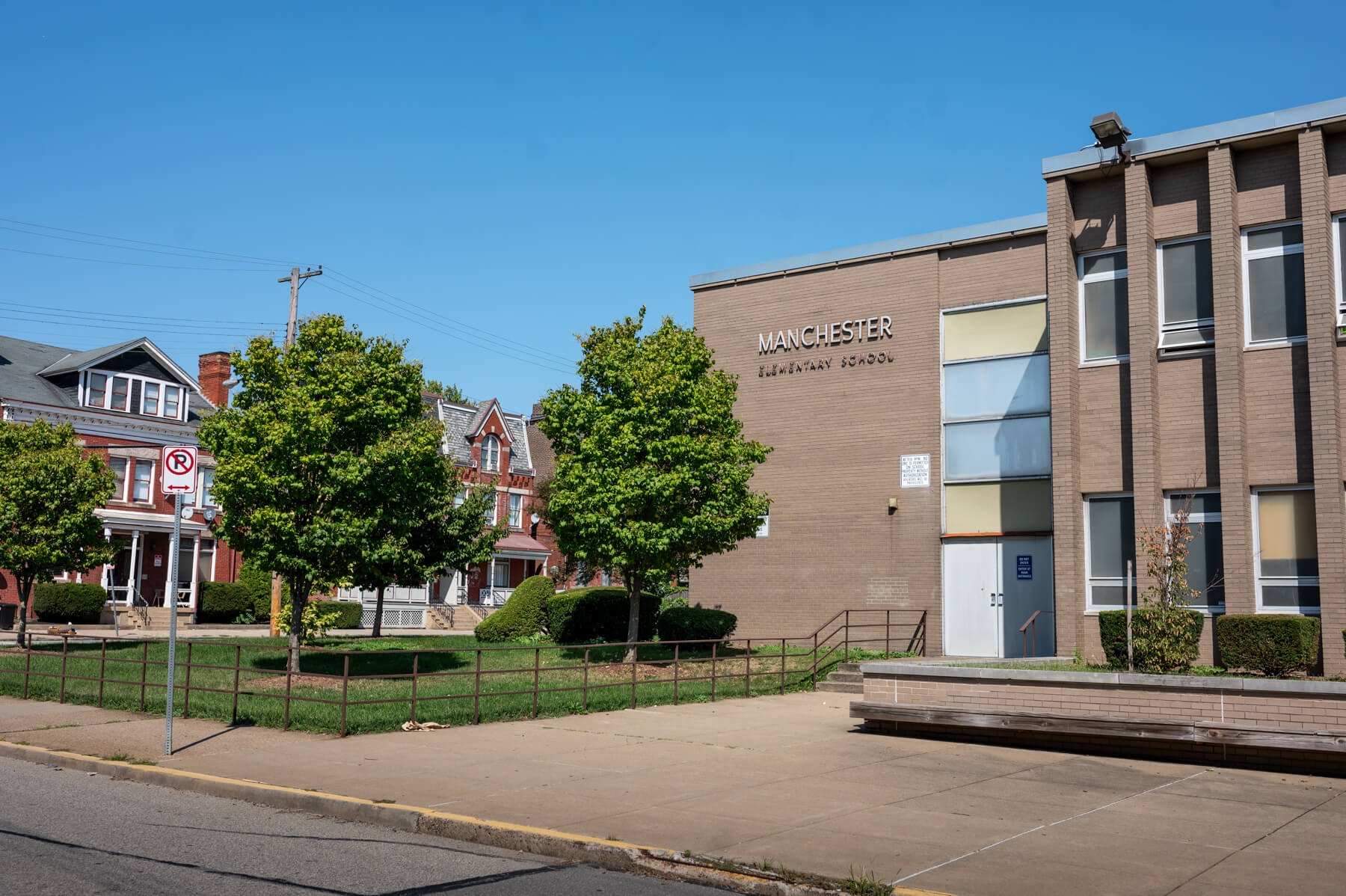
- Manchester PreK-8
When Will They Close?
Seven buildings are scheduled to close at the end of the 2026–27 school year: Baxter, Friendship, Fulton, McKelvy/Miller, Schiller, Woolslair, and Manchester.
Two additional schools — Morrow Primary and Spring Hill K-5 — are scheduled to close at the end of the 2028–29 school year. Those later closures are tied to the renovation of the former Northview PreK-5 building.
It’s More Than School Closures
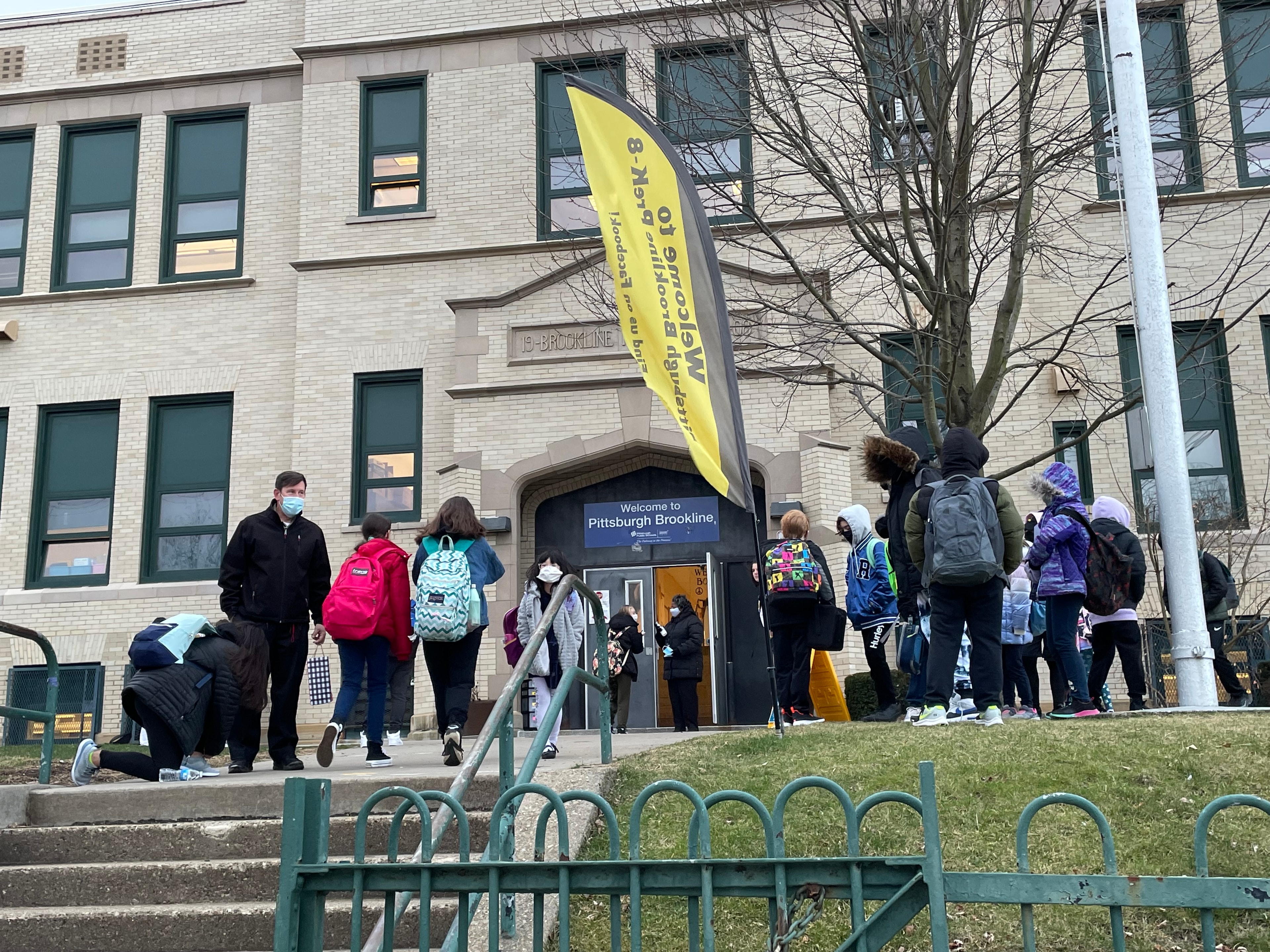
The Future-Ready plan also involves moving programs, changing grade configurations and consolidating schools. For example, Allegheny will become the Schiller 6-8 neighborhood school, while the Allegheny K-5 neighborhood school will move into the King building. Other changes include the International Baccalaureate middle-years program moving to Arsenal and Milliones 6-12 becoming Sci-Tech 6-8.
So while nine buildings are closing, the overall changes affect more schools than the nine buildings listed above.
Why Is PPS Doing This?
The district says the plan is intended to address several long-term challenges:
- Declining enrollment. PPS has substantially more building capacity than students.
- Aging facilities. Maintaining and modernizing older buildings requires significant investment.
- Financial pressure. The district has been dealing with a growing budget deficit.
- Underutilized buildings. The district argues that concentrating students and resources in fewer facilities can create stronger and more sustainable schools.
PPS has described the plan as an effort to modernize learning environments, improve long-term sustainability and expand access to academic programs and student supports.
Why Has There Been So Much Controversy?
The closure debate has been going on for years. The district first seriously pursued the Future-Ready plan in 2023. The Board rejected an earlier version in November 2025, but reopened discussions in early 2026. The plan was ultimately approved in May.
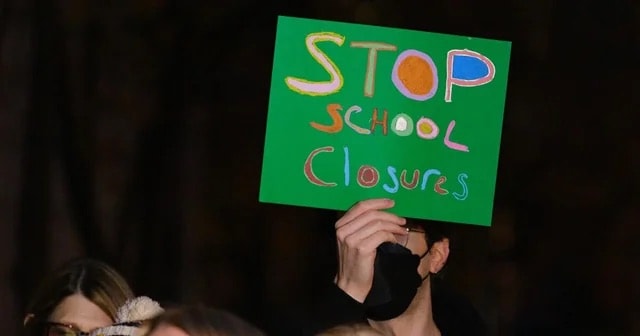
Parents, students and community members have raised concerns about disruption for students, transportation, losing neighborhood schools, community identity, the process used to make closure decisions, and what will happen to the buildings after they close.
The emotional response reflects a reality that goes beyond bricks and mortar: many of these schools have served Pittsburgh neighborhoods for generations.
What Happens to Students?
Students attending schools that close will transition to other PPS schools as the changes take effect. That means families will have to navigate new school assignments, new attendance areas, transportation changes, new classmates and teachers, and changes to extracurricular and academic programs.
The district says the changes are intended ultimately to provide students with stronger and more equitable educational opportunities.
What Happens Next?
The vote settled the question of whether the district would move forward with the closures. Now comes the harder part: implementation. PPS must transition students, staff and programs while maintaining educational quality during the process.
For families, the most important questions now become: Where will my child go? How will transportation change? What programs will be available? What happens to teachers and staff? And what happens to the buildings once students are gone?
The Bigger Pittsburgh Conversation
The school closures are only the beginning of a much larger conversation about the future of public education in Pittsburgh. PittsburghUrbanMedia.com will look beyond the closure list to examine who is most affected, what happens to Black students and communities, the shortage of Black teachers, and whether the restructuring will produce the improvements PPS says it expects.
Coming Next: The Voices Behind the Closures — Parents. Students. Teachers. Community leaders. Education advocates.