
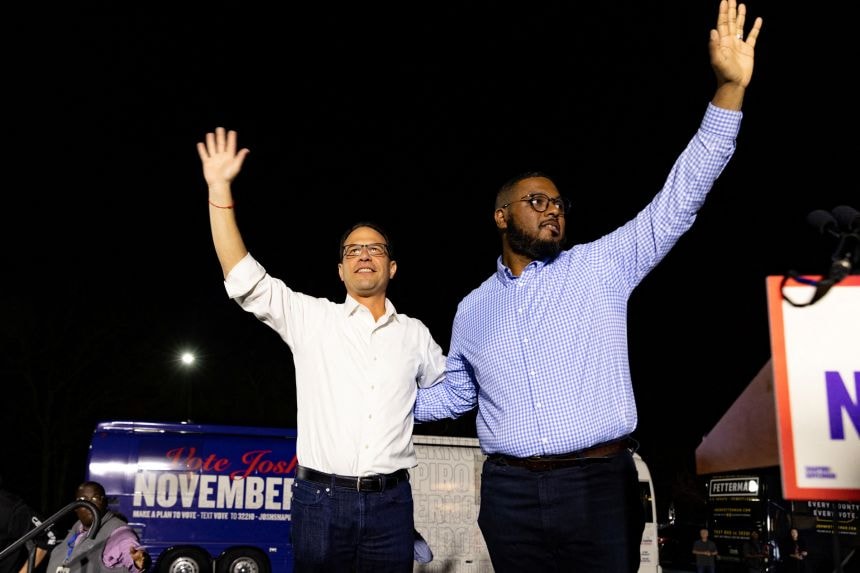
An election that reshaped Pennsylvania's political landscape raises an important question: How did African Americans show up, and what does the outcome mean for Black communities across the Commonwealth?
Pennsylvania voters delivered a decisive message on November 3, sending Democratic Gov. Josh Shapiro back to Harrisburg for a second term while reshaping the political landscape in Washington and raising new questions about the balance of power in the state legislature.
For African Americans, this election was about more than the governor's race or party control. It was also about representation, political influence, the continuing importance of the Black vote and the leaders entrusted with addressing issues that directly affect Black communities.
From Pittsburgh to Philadelphia, Black Pennsylvanians participated in an election that placed significant attention on leadership, economic opportunity, public education, healthcare, housing and the direction of the state.
The results offer an opportunity to look beyond the winners and losers and examine the political influence of a community whose participation has long been central to Pennsylvania's electoral landscape.
SHAPIRO AND DAVIS SECURE A SECOND TERM
Gov. Josh Shapiro and Lt. Gov. Austin Davis defeated Republican challengers Stacy Garrity and Jason Richey, securing another four years in Pennsylvania's executive offices.
The Associated Press called the governor's race shortly after polls closed. With approximately 93% of votes counted in early Wednesday reporting, Shapiro held just over 60% of the vote to Garrity's 38.6%.
Shapiro's victory was a significant result in a state that supported Donald Trump in the 2024 presidential election.
In his election-night remarks, Shapiro emphasized economic opportunity, housing, infrastructure and raising Pennsylvania's minimum wage. He also spoke about continuing to deliver results for residents across the Commonwealth.
For African Americans, the next four years will bring important questions about how those priorities translate into tangible improvements in historically underserved communities.
Austin Davis: A Continuing Presence in Pennsylvania Leadership
Davis's reelection carries particular significance for Black political representation.
Pennsylvania's first Black lieutenant governor will continue serving alongside Shapiro, maintaining a place for African American leadership at the highest levels of state government.
His continued presence raises questions about the role Black leadership will play in the administration's second-term priorities, including economic development, workforce opportunities, education, public safety and community investment.
Representation matters. But the larger measure is what that representation accomplishes for the people and communities being served.
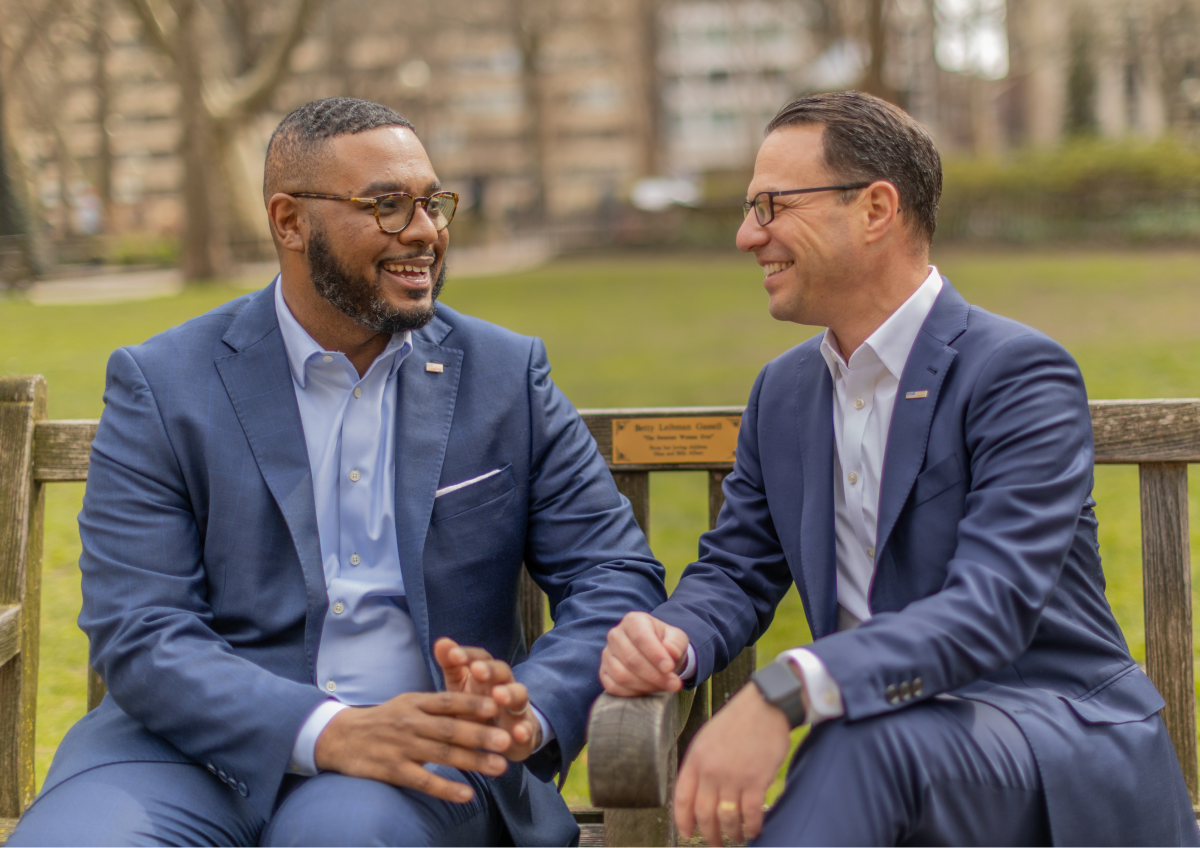
PENNSYLVANIA'S POLITICAL LANDSCAPE SHIFTS
The governor's race was only one part of a consequential election.
Democrats flipped four Republican-held congressional seats, changing Pennsylvania's representation in the U.S. House.
The victories included:
- ■ Bob Harvie: Defeated incumbent Brian Fitzpatrick in the 1st Congressional District.
- ■ Bob Brooks: Defeated incumbent Ryan Mackenzie in the 7th District.
- ■ Paige Cognetti: Defeated incumbent Rob Bresnahan in the 8th District.
- ■ Janelle Stelson: Defeated incumbent Scott Perry in the 10th District.
These victories helped Democrats regain control of the U.S. House.
Another important development was the election of Philadelphia State Rep. Chris Rabb to the U.S. House's 3rd Congressional District, succeeding retiring Congressman Dwight Evans.
Rabb's victory adds another African American voice to Pennsylvania's congressional delegation.
Meanwhile, Pittsburgh Congresswoman Summer Lee secured another term representing the 12th Congressional District.
Together, these developments demonstrate the importance of examining not only statewide leadership but also the voices representing Pennsylvania's diverse communities in Washington.
BLACK POLITICAL REPRESENTATION: WHO IS AT THE TABLE?
African American political leadership in Pennsylvania extends across the executive, congressional and legislative branches.
Among the leaders deserving attention:
- ■ Austin Davis: Lieutenant Governor of Pennsylvania.
- ■ Summer Lee: U.S. Representative, 12th Congressional District.
- ■ Chris Rabb: Elected U.S. Representative, 3rd Congressional District.
- ■ La'Tasha Mayes: Pennsylvania State Representative, 24th District.
- ■ Aerion Abney: Pennsylvania State Representative, 19th District.
These leaders represent different constituencies and bring different experiences and policy priorities to public office.
Their elections and continued service also invite a broader examination of Black representation in the Pennsylvania General Assembly, including Philadelphia, Pittsburgh and communities throughout the state.
The question is not simply how many African Americans hold office. It is whether their presence translates into meaningful participation in decisions about the Commonwealth's future.
DID BLACK PENNSYLVANIANS SHOW UP?
One of the most important questions emerging from this election is the level of African American voter participation.
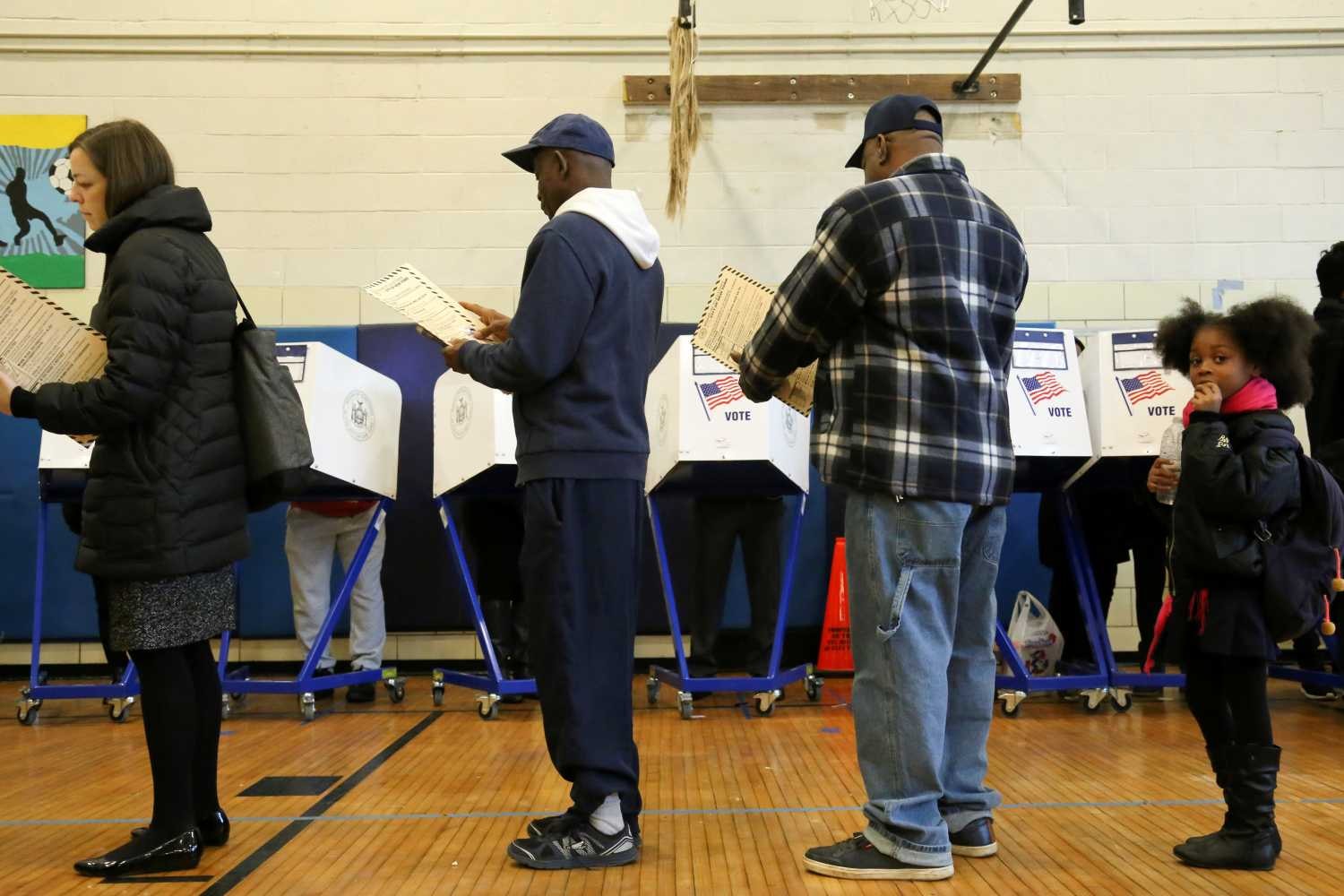
Pennsylvania's Department of State reported that more than 1.3 million mail ballots had been issued statewide. By 8 p.m. on Election Day, counties reported that 86.6% had been returned.
The department cautioned that final turnout figures would take several days as counties completed their canvassing and reconciliation.
But the official results do not provide a racial breakdown of voters.
That means we cannot yet state precisely how many African Americans voted in Pennsylvania or what percentage of eligible Black voters participated.
To understand the Black vote, additional research is needed using demographic election surveys and validated voter studies.
Several questions deserve attention:
- ■ Did African American voter participation increase compared with the 2022 midterms?
- ■ How did Black women's participation compare with Black men's?
- ■ Were younger African Americans more engaged?
- ■ What issues mattered most to Black voters?
- ■ How did African American voting patterns compare in Philadelphia, Allegheny County and other communities?
These questions are essential to understanding the election beyond the statewide vote totals.
WHAT WILL THE RESULTS MEAN FOR BLACK PENNSYLVANIA?
The election has created a new political landscape, but the work of governing begins after the celebrations end.
For African American communities, several issues remain central:
- ■ Economic opportunity: Will state investment, workforce development and public contracts reach Black-owned businesses and historically underserved neighborhoods?
- ■ Education: What will another Shapiro term mean for equitable public school funding, higher education access and opportunities for young people?
- ■ Healthcare: Will the administration make meaningful progress addressing disparities in healthcare access and outcomes?
- ■ Housing: How will state housing initiatives address affordability, homeownership and neighborhood stability?
- ■ Political representation: Will Black elected officials have meaningful influence in shaping legislation and setting policy priorities?
These are not simply campaign questions. They are measures by which elected leadership can be evaluated over the next four years.
THE WORK OF DEMOCRACY CONTINUES
Pennsylvania's November 3 election demonstrated the continuing importance of voter participation and the influence of political representation.
From Shapiro's reelection and Austin Davis's continued leadership to the changing congressional delegation and the election of Chris Rabb, the Commonwealth is entering a new chapter.
For African Americans, the significance of the election cannot be measured solely by the number of victories or the party that controls government.
It must also be measured by whether the issues affecting Black families and communities receive the attention, investment and action they deserve.
The ballots have been cast. The leaders have been elected. Now comes the responsibility of governing.
The question for Pennsylvania is no longer simply who won the election. It is what will they do with the power voters entrusted to them?
Pittsburgh Urban Media will continue examining the election results, Black political representation and the issues shaping the future of African American communities across Pennsylvania.