As investigators continue their work, a mother and journalist reflects on grief, parenting Black sons, race, and the conversations we must keep having.

There are some stories that stay with you long after you close your laptop or turn off the television.
The tragic death of Nolan Wells is one of those stories.
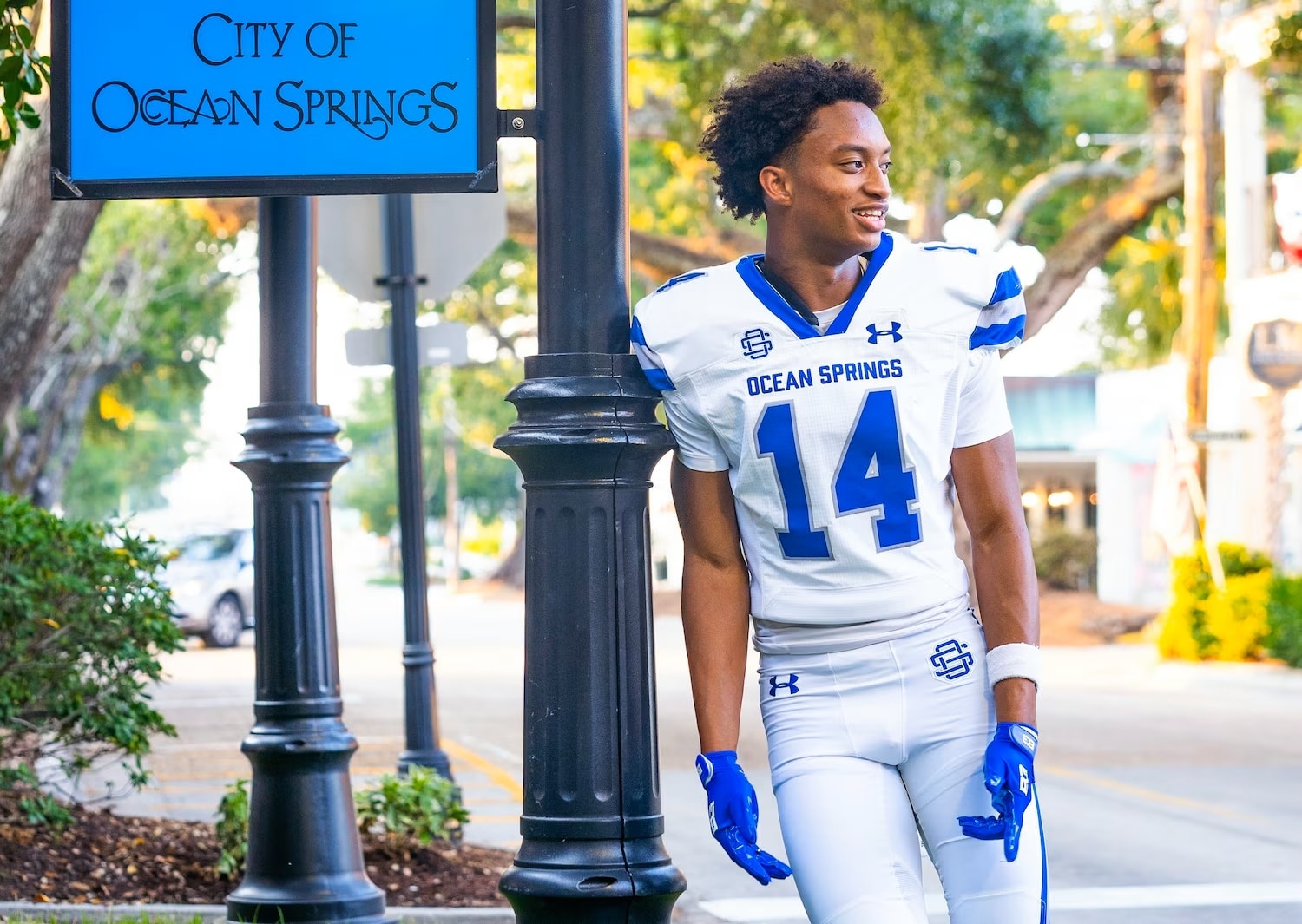
Nolan, an 18-year-old college student, traveled with friends to an island along the Gulf Coast during the Fourth of July holiday weekend. What was supposed to be a celebration, an adventure, and a time to create memories became an unimaginable tragedy when he went missing. His body was later found along the shoreline, leaving his family, friends, and community searching for answers. The investigation continues, and additional findings, including the autopsy, remain part of the process of understanding what happened.
Like so many people across our region, I have followed every update, listened to his parents speak, and watched a community struggle to make sense of an unimaginable loss.
As investigators continue their work, many questions remain unanswered. Those answers belong first to Nolan’s family, but they also matter to a community that is grieving alongside them. For many — particularly in Black communities where trust in institutions has too often been tested by history — transparency and truth are essential to healing.
As a journalist, this is where I have to separate emotion from evidence. Our responsibility is to ask questions, seek answers, and follow the facts wherever they lead. That is how trust is built.
But as a mother, my heart responds differently.
I am the mother of a 20-year-old Black son and an 17-year-old daughter. Whenever I hear about a young person whose life is cut short, I cannot help but imagine my own children. That is what this story has done to me.
My son attended a predominantly white private school. Today, many of his closest friends are white, and throughout his life I have encouraged him to build relationships across different backgrounds, embrace new experiences, and move confidently through spaces that may not always look like him.
That is what we want for our children.
We want them to experience the world. We want them to build friendships across communities. We want them to be judged by their character, their kindness, and who they are as individuals.
But as the mother of a Black child, I also understand that race can be part of how we experience the world.
You teach your children to see the humanity in others while also preparing them to understand the realities of being Black in America. You hope that the people around them will value them, protect them, speak up for them, and recognize their worth.
That is why Nolan’s story has resonated so deeply with me.
Nolan was a young Black man spending time with friends during what was supposed to be a joyful Fourth of July trip. He did not return home. His family, friends, and community are now waiting for answers.
The questions being asked are not about assigning blame before the facts are known. They are about understanding. They are about accountability. They are about every parent’s deepest hope — that when their child is away from home, there are people around them who will look out for them.
As a journalist, I know we cannot fill in the blanks with assumptions. We have to let investigators do their work. We have to allow evidence to lead us to the truth.
But as a mother, I understand why people are searching for answers so deeply.
When a young life is lost, communities do not just want information. They want understanding.
While we wait, perhaps this moment reminds us to have important conversations with our own children.
I tell my kids something simple: if you arrive together, leave together. Do not wander away from your group. Know who you are with. Keep your phone charged. Have enough money to get yourself home if plans change. Trust your instincts. If something does not feel right, leave.
Years ago, I went to a nightclub with someone I knew. She drove us there, but when the evening ended, I could not find her. She had left without me.
I still remember standing outside alone, trying to figure out how I was going to get home.
That experience stayed with me. It taught me that even when we believe someone else is looking out for us, we also have to be prepared to look out for ourselves.
Those are lessons I continue to share with my children.
I do not support underage drinking. Young adults often find themselves navigating situations where judgment can be impaired, peer pressure is high, and decisions made in moments can have lasting consequences.
As the mother of a Black son, there is another layer that is difficult to explain unless you have lived it.
Many Black parents carry worries that never fully disappear. We have conversations about staying aware of your surroundings, checking in, avoiding isolated places, and making thoughtful decisions — not because we want our children to live in fear, but because we want them to come home.
For many parents of Black children, especially sons, there is a quiet fear we carry every time they walk out the door.
Will they be safe?
Will someone look out for them?
Will they be treated fairly?
Will they make it home?
Those conversations can be exhausting.
You spend years teaching independence while quietly hoping every lesson is enough.
Nolan’s story has touched people from every background. Black families, white families, parents, grandparents, teachers, coaches, and friends have all found themselves reflecting on the same question:
How do we better protect the young people we love?
Perhaps we cannot prevent every tragedy.
But we can keep having the conversations.
We can remind our children to look out for one another.
We can encourage them to make plans before they go out and to never hesitate to call home if they need help.
And we can teach them that asking for help is never a sign of weakness.
The truth will not erase the pain of losing Nolan, but it can help a family and a community begin the long journey toward healing.
Some losses hit differently.
The loss of a young life carries a weight that is difficult to put into words because it represents so much promise, so many dreams, and so many moments that will never happen.
Nolan’s life should be remembered not only by the circumstances surrounding his death, but by the impact he made while he was here — the friendships he built, the people he inspired, and the love that surrounded him.
As we wait for answers, my hope is that Nolan’s memory becomes a reminder of how deeply young people are loved and how much their lives matter.
I continue to pray for Nolan’s family, his friends, and everyone affected by this heartbreaking loss.
May the truth be revealed.
May justice be served.
And may Nolan’s memory continue to be honored through the lives he touched.