
Lincoln Cemetery — Harrisburg, Pennsylvania
Restoring Black Heritage in PA: Volunteers Work to Save Lincoln Cemetery
Tucked away in Harrisburg lies one of Pennsylvania’s most significant African American historic sites — a cemetery that tells the story of courage, resilience, military service, and community leadership dating back more than 150 years. Today, volunteers, historians, descendants, and preservation advocates are working to ensure those stories are never forgotten.
Lincoln Cemetery, established in the late 19th century, serves as the final resting place for generations of African American families who helped shape the Harrisburg region during Reconstruction, the Jim Crow era, and beyond. Among those buried there are veterans of the American Civil War, educators, ministers, business owners, civic leaders, and community members whose contributions were often overlooked in traditional history books.
More Than a Cemetery
Lincoln Cemetery represents far more than a burial ground. It is a living archive of African American life in Central Pennsylvania. Each headstone tells a story — of formerly enslaved individuals who built new lives in freedom, of Black soldiers who defended the nation despite discrimination, of ministers who established churches, and of teachers who educated generations of children when opportunities were limited.
Honoring Black Military Service
One of the cemetery’s most notable features is the number of veterans laid to rest there. Many served during the Civil War, while others fought in later conflicts despite facing segregation and unequal treatment at home. Their graves stand as reminders that African Americans have defended the nation throughout its history, often while continuing to fight for full citizenship and equal rights. Preservation efforts now include identifying veteran graves, replacing damaged markers where possible, and ensuring these service members receive the recognition they earned.
“Each restored marker represents another life remembered rather than forgotten.”
Community Volunteers Lead the Way
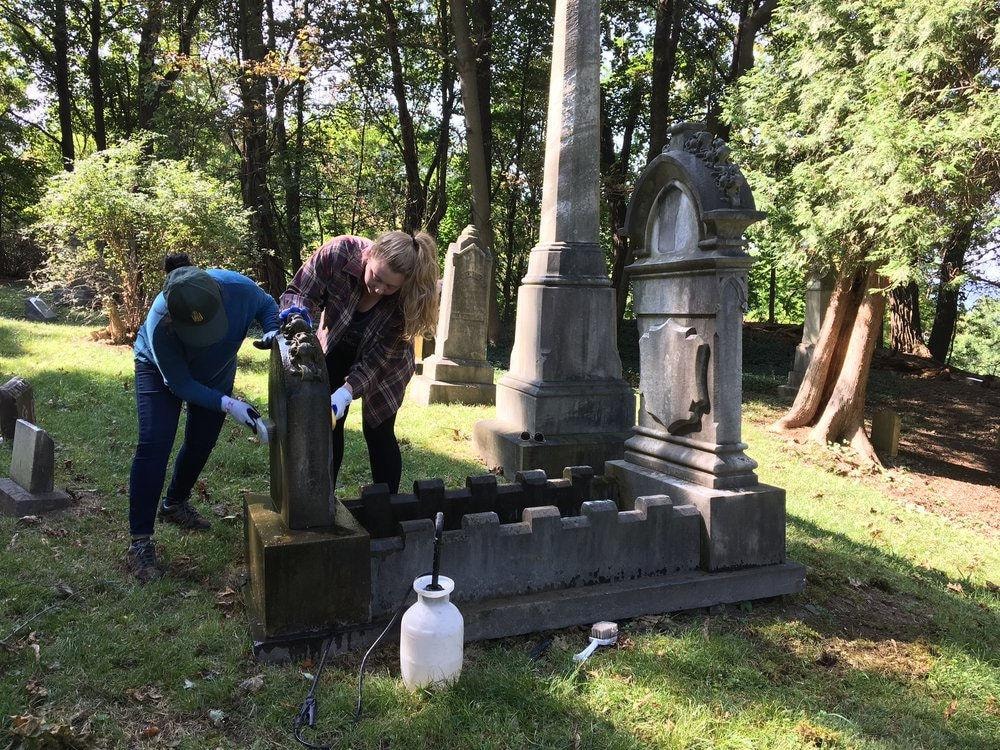
Much of the restoration work depends on volunteers. Cleanup days typically involve removing invasive brush, trimming trees, clearing pathways, photographing gravestones, and recording inscriptions for future generations. Local historians also use modern mapping technology and archival research to create permanent records that can assist descendants and researchers.
A Legacy Worth Protecting
As Pennsylvania prepares to commemorate the nation’s 250th anniversary, sites like Lincoln Cemetery remind residents that African American history is inseparable from the Commonwealth’s story. From Pittsburgh’s Hill District to Harrisburg’s Lincoln Cemetery and Philadelphia’s historic neighborhoods, preserving Black history means preserving Pennsylvania’s history.
Source: Pittsburgh Urban Media · PUM Central Pennsylvania · pittsburghurbanmedia.com/latest-news