
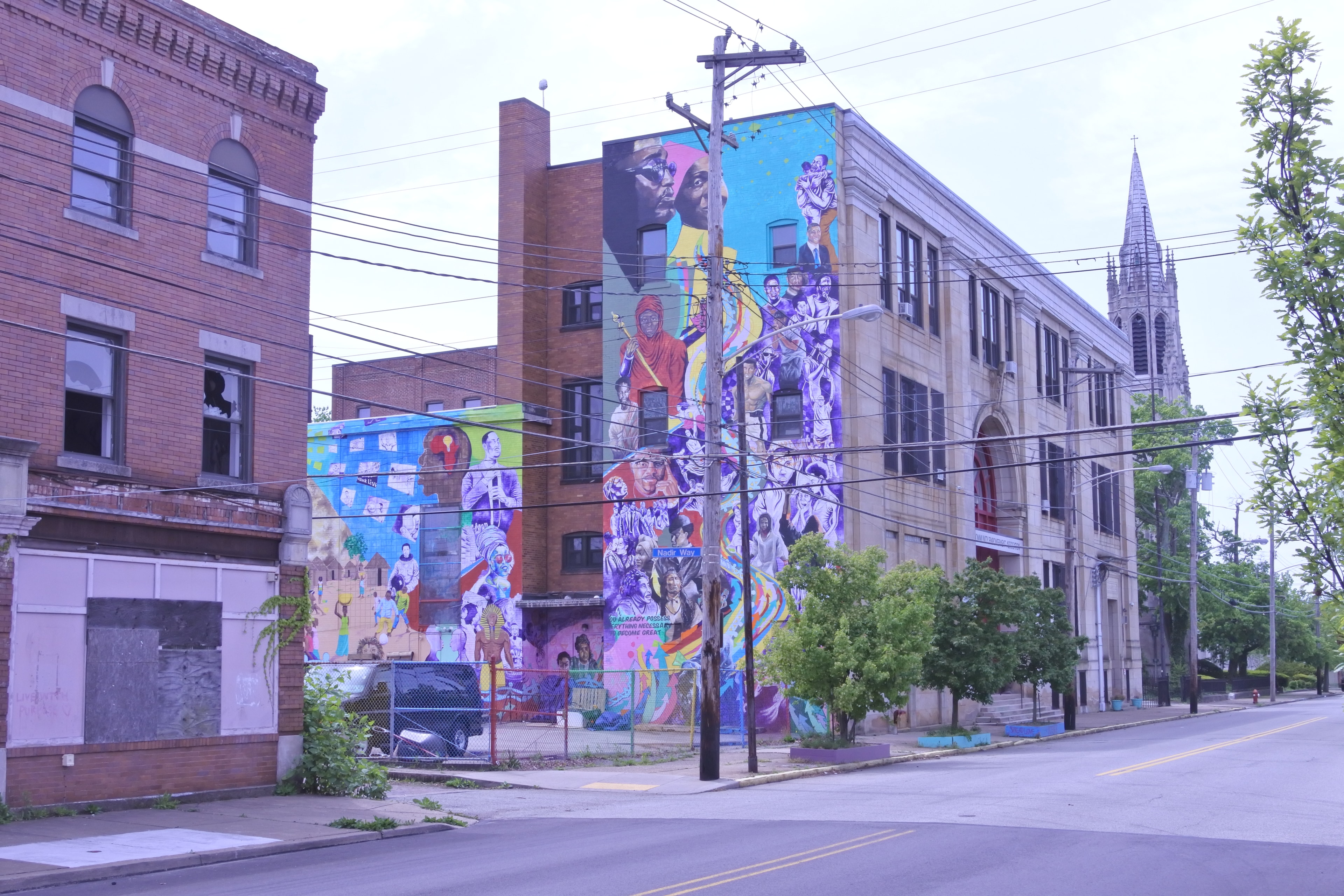
Community-led redevelopment, cultural pride, and resident voices are driving a new chapter in one of Pittsburgh’s most historic Black neighborhoods.
For generations, Homewood has been more than a neighborhood — it has been a cornerstone of Black Pittsburgh.
Once a thriving center of Black business, education, faith, and culture, Homewood was home to generations of families who built businesses, raised children, created institutions, and shaped Pittsburgh’s history. Like many urban Black communities across America, the neighborhood experienced decades of disinvestment, population loss, economic challenges, and changing demographics.
But today, Homewood is telling a different story.
“The narrative is no longer being written only through statistics or outside perceptions. It is being shaped by residents, community organizations, entrepreneurs, educators, faith leaders, and young people.”
A Community Leading Its Own Revitalization
Across Homewood, a new wave of investment is taking place, driven by a central question: How can redevelopment create opportunity while protecting the identity and legacy of the people who call Homewood home?
The Homewood Community Development Collaborative continues to serve as a gathering point for residents, developers, businesses, nonprofits, and neighborhood stakeholders working together around housing, commercial development, economic opportunity, and quality-of-life improvements.
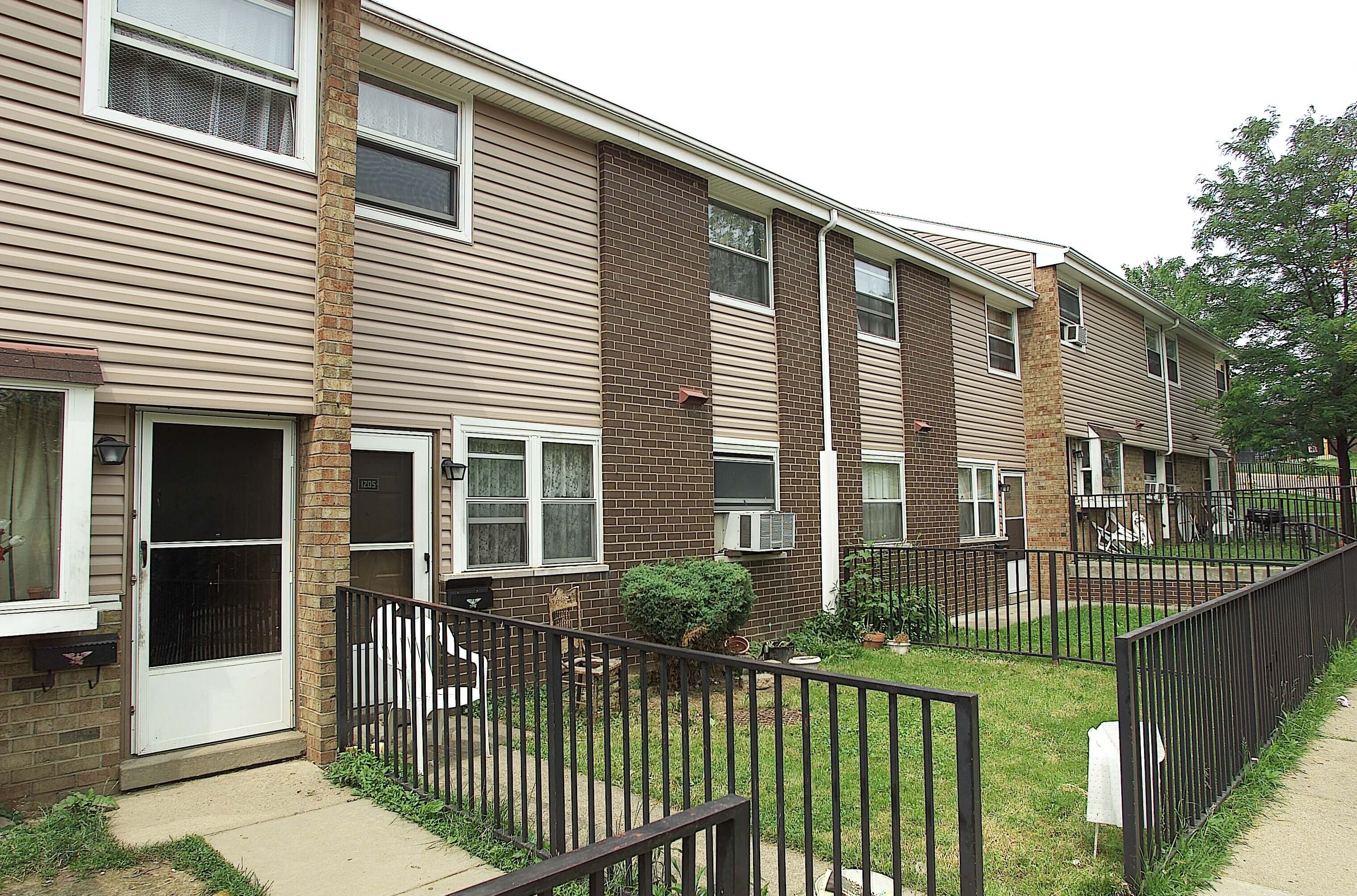
Through community meetings and planning efforts, residents are helping shape conversations about what growth should look like — from restoring vacant properties to creating spaces where businesses, families, and future generations can thrive.
Building on a Legacy of Black Excellence
Homewood’s history is deeply connected to Pittsburgh’s broader Black experience. The neighborhood has produced leaders in business, education, politics, sports, arts, and activism. It was once known for a vibrant commercial district filled with Black-owned businesses, restaurants, entertainment venues, and community institutions.
Today, many residents and organizations are focused not simply on rebuilding structures, but rebuilding economic opportunity — supporting entrepreneurship, attracting investment, creating pathways for young people, and ensuring longtime residents have a voice in the neighborhood’s transformation.
Investing in People, Not Just Buildings
Successful neighborhood revitalization is about more than new construction. It is about investing in people.
The University of Pittsburgh Community Engagement Center has expanded programming connecting residents with educational opportunities, workforce development, health initiatives, and community resources. Organizations such as Homewood Children’s Village continue working to improve outcomes for children and families through education, mentoring, and support services.
Youth programs throughout the neighborhood are also helping the next generation see themselves as leaders, entrepreneurs, and change-makers. Because for many Homewood leaders, the measure of success is not only what gets built — but who benefits.
A New Era for Homewood’s Business District
One of the biggest pieces of Homewood’s resurgence is economic development. For decades, residents have expressed the need for more neighborhood-serving businesses, grocery options, restaurants, professional services, and spaces where entrepreneurs can grow.
New investment is creating opportunities to reimagine Homewood’s commercial corridors while honoring the businesses and entrepreneurs who came before. The goal is not simply attracting outside investment — it is creating an environment where Black-owned businesses and longtime residents can participate in the neighborhood’s economic future.
Preserving Culture While Creating Opportunity
Homewood’s identity cannot be separated from its culture. From churches and community organizations to music, art, storytelling, and family traditions, the neighborhood has played an important role in shaping Pittsburgh’s Black history.
As redevelopment moves forward, preservation remains a critical part of the conversation. Residents want a future that includes new opportunities while maintaining the cultural heartbeat that makes Homewood unique.
Looking Ahead
As redevelopment continues across Pittsburgh, Homewood is demonstrating that revitalization is most successful when it grows from within the community. The future of Homewood will not be defined only by new buildings or new investments. It will be defined by whether residents feel ownership, opportunity, and connection to the neighborhood they helped build.
For Pittsburgh Urban Media, Homewood represents more than a neighborhood overcoming challenges. It represents a community rich in history, leadership, entrepreneurship, and resilience — a place where Black excellence has always existed and continues to shape Pittsburgh’s future.