
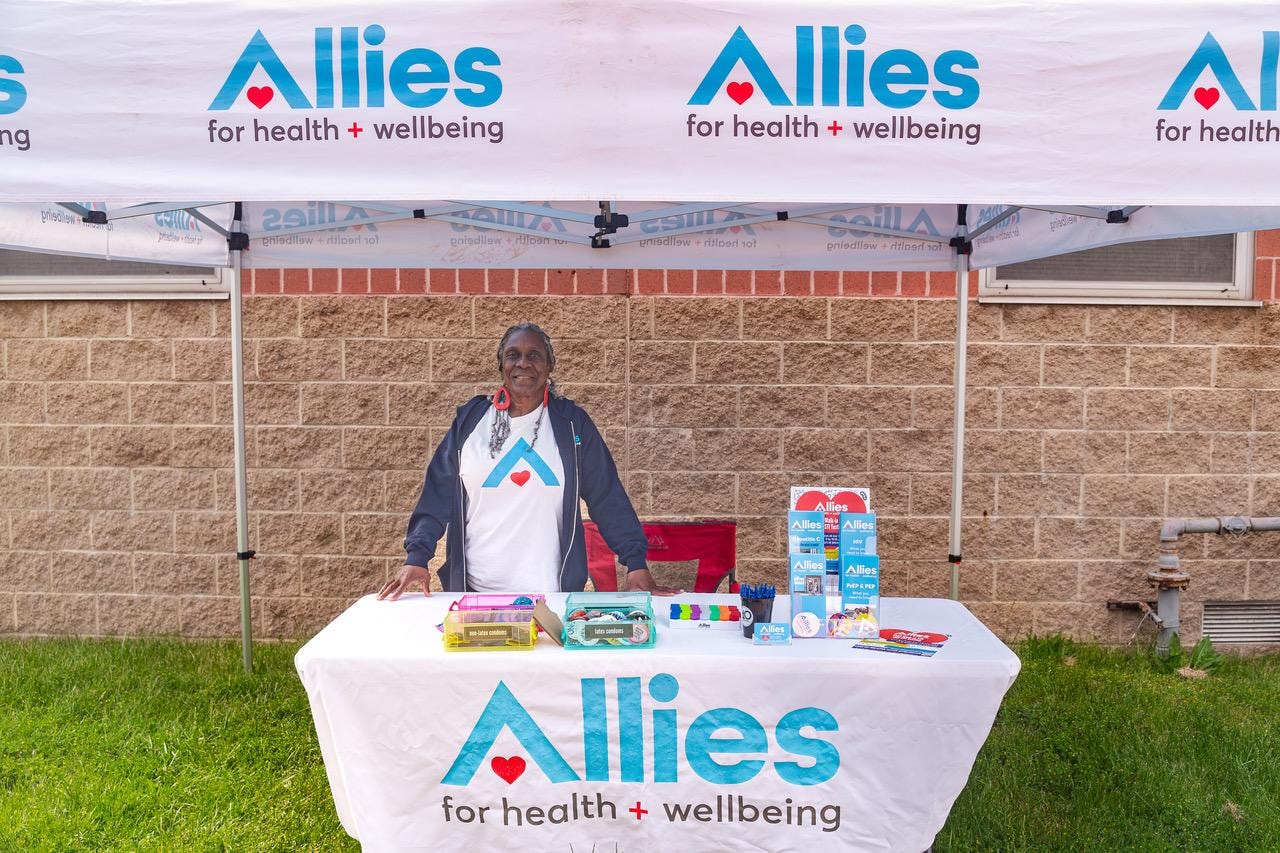
Pamela Smith, Senior Health Advocate at Allies for Health + Wellbeing, at an Allies community outreach tablePhoto: Courtesy of Allies for Health + Wellbeing
Allies' Program Empowers Women to Talk About Their Sexual Health
It’s no secret that Black women in the United States have always faced significant challenges when it comes to their health. Black women are at greater risk for diabetes, cardiovascular disease, high blood pressure and HIV as well as many other health concerns.
At the same time, it’s harder for Black women to access healthcare services and to receive fair treatment. According to KFF, an independent healthcare policy organization, “about one in five (21%) Black women say they have been treated unfairly by a health care provider or their staff because of their racial or ethnic background.”
Allies for Health + Wellbeing – formerly the Pittsburgh AIDS Task Force – has made access to sexual healthcare for Black women a priority for many years, and a new program hopes to bring Black women front and center once again.

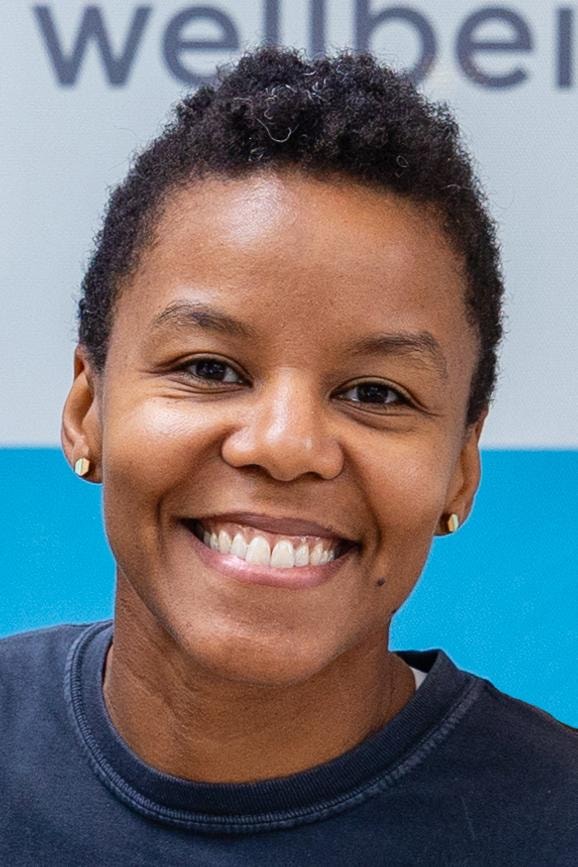
Anitra Branch, director of outreach and education at Allies, started with the organization in 2009 working on the Girlfriends Project, which offered HIV testing and education to Black women in their own homes, with friends.
“My very beginning at Allies was a program working with Black women, for Black women,” she said. “That program was based on the model of Tupperware parties, taking it directly to women’s homes. It happened on couches and in living rooms.”
Though the Girlfriends Project was eventually discontinued due to a lack of funding, the model of the program worked well, and it’s one that Branch is interested in reviving.
“Ladies, Let’s Talk” is a new program from Allies for Health + Wellbeing, led by Black women for Black women. The concept is simple: engage women in conversation about sexually transmitted infections in small groups, encouraging questions and sharing. Sessions can take place at community organizations or in people’s homes.
“Because space can be a challenge, we like to partner with organizations to provide space for people to gather,” Branch said, noting that her team is happy to work with individuals who want to host a session as well.
Allies provides food and beverages and leads the group in discussions about sexual health.
“We start out by covering some basics on what different STIs are and how to prevent getting them,” Branch said. “Then we get into the conversation of advocating for yourself, whether discussing sex with a partner or discussing your care with a medical provider. We ask people to share either their successes or their challenges in trying to communicate in either of these settings.”
Branch acknowledges that the content of “Ladies, Let’s Talk” sessions may be difficult to talk about, and people are welcome to share only if they feel comfortable.
“We want to be in community talking with women about things,” she said. “We don’t force anyone to talk. Sex can still be a taboo or uncomfortable topic. We can learn from one another, coming together to have a positive impact on each other’s lives.”
The sessions take about an hour, and at the end of the event, women are invited to get free STI testing. Anyone who is unable to get tested at that time can get tested later when it’s convenient for them. Allies offers free, walk-in testing at its office at 211 N. Whitfield St. in East Liberty on Sundays and at partner locations throughout the week. Find free testing dates and locations at alliespgh.org/resources/free-testing.
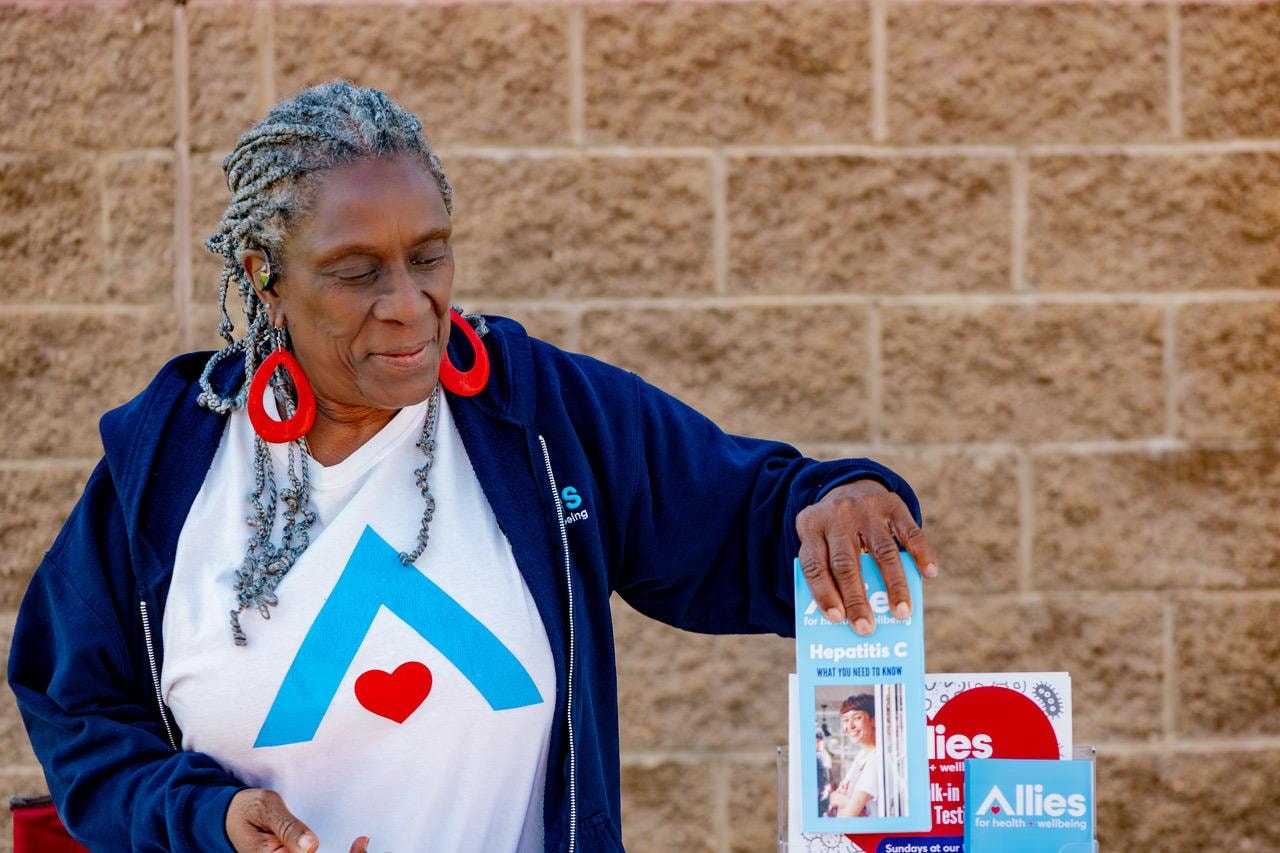
“We offer an incentive to get tested, and folks can still get that incentive even if they don’t get tested at that event,” Branch said.
Branch hopes that “Ladies, Let’s Talk” is empowering for the women who participate.
“When you’ve been disempowered, it can be easy to fall into a pattern of continually being disempowered – to buy it,” she said. “Sometimes it can be helpful to have someone or something remind us of who we are and what we deserve. Even for those who know their worth and know what they deserve, they may not have the skills to initiate these conversations or the knowledge to. We hope to change that.
“I want Black women to feel empowered,” she continued. “I would love each person to have confidence the next time they go to an appointment with their provider to ask the things they want to ask, to say the things they want to say. To use the resources they have available to them to have the quality of care they want and deserve. I want women to feel supported by Allies as an organization and to know they can come to us if they are looking for support and care.
“And I want them to know their status.”
If you are interested in hosting a “Ladies, Let’s Talk” event or for more information about the program, contact Anitra Branch at abranch@alliespgh.org. For more information about Allies for Health + Wellbeing or to make an appointment for primary care, STI testing, gynecological care or other services, visit AlliesPGH.org.